Author: World History Edu
The Ptolemaic Kingdom, also known as the Ptolemaic Empire, stands as one of the most remarkable Hellenistic states in ancient history. Spanning nearly three centuries from 305 BC to 30...
Nicolas Coustou (9 January 1658 – 1 May 1733) was a distinguished French sculptor and academic, celebrated for his significant contributions to the Baroque style and his influential role in...
The Pschent, also known as the Double Crown, is one of the most iconic symbols of ancient Egyptian royalty. Representing the unification of Upper and Lower Egypt, it combined the...
The Deshret, or “Red Crown,” was a powerful symbol of Lower Egypt, representing the authority of the pharaohs over the fertile Nile Delta. Deeply embedded in the political, religious, and...
Ancient Egypt, with its illustrious history and profound cultural achievements, has left behind a treasure trove of artifacts that continue to captivate historians, archaeologists, and enthusiasts alike. Among these artifacts,...
The nymphaeum (plural: nymphaea) was a significant architectural feature in ancient Greece and Rome, dedicated initially to the worship of nymphs, especially those associated with springs and other water sources....
Coventina is a fascinating deity who reflects the blending of Roman and native British religious traditions during the Roman occupation of Britain. Worshiped primarily as a goddess of wells and...
The Palace of Versailles, located approximately 19 kilometers west of Paris in the village of Versailles, stands as a monumental symbol of French history, art, and political power. Its evolution...
Aphrodite, one of the most celebrated deities of ancient Greece, is commonly recognized as the goddess of love, beauty, and sensuality. However, her role extends far beyond these domains. One...
Andrew Ellicott (1754–1820) was a renowned American land surveyor, mathematician, and astronomer whose precise survey work helped shape the early United States. Known for his meticulous approach, Ellicott played a...
The Trojan War, as recounted in Homer’s Iliad and other ancient sources, was not merely a human conflict. It also served as a battleground for the Olympian gods, whose interventions...
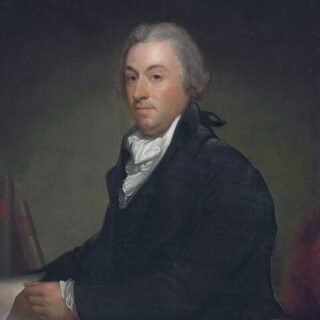
Robert R. Livingston (1746–1813), often referred to as “The Chancellor,” was a prominent lawyer, politician, diplomat, and Founding Father of the United States. Livingston played a crucial role in shaping...
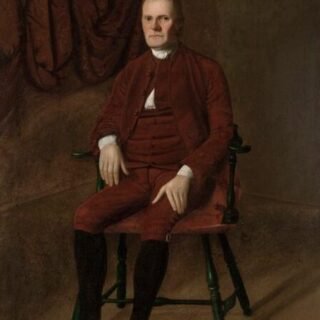
Roger Sherman (1721–1793) stands as one of the most influential yet understated Founding Fathers of the United States. His contributions to the nation’s formation spanned decades, reflecting his intellect, pragmatism,...
Roger Brooke Taney (March 17, 1777 – October 12, 1864) was a significant figure in American legal and political history. His life and career were marked by accomplishments, controversy, and...
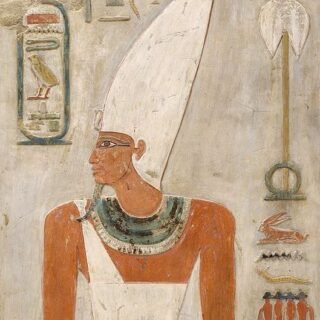
The Hedjet, or White Crown of Upper Egypt, is one of the most enduring and significant symbols of ancient Egyptian kingship. It represented the authority of pharaohs over Upper Egypt,...