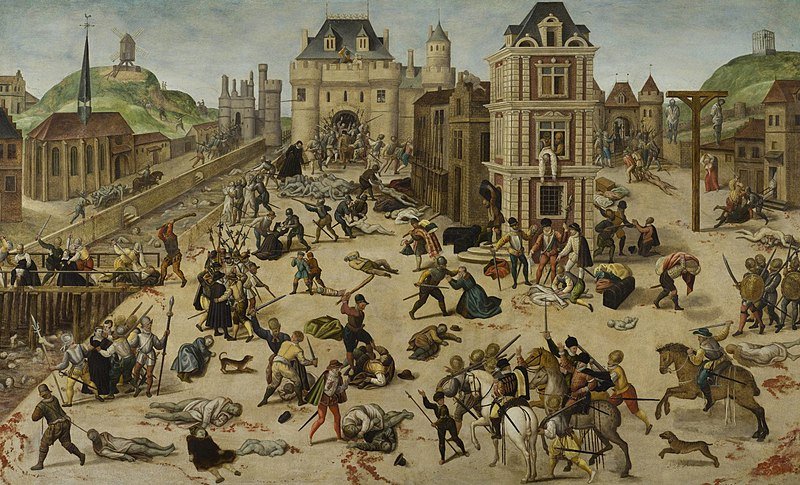
The St. Bartholomew’s Day massacre (1572) by French neoclassical painter François Dubois
The French Wars of Religion (1562–1598) were a series of violent conflicts fought between Catholics and Protestants, known as Huguenots, within the Kingdom of France. These wars resulted in the deaths of between two and four million people, either through direct violence, famine, or disease. The wars also weakened the French monarchy and led to significant social, political, and religious changes. One of the most infamous events during this period was the St. Bartholomew’s Day Massacre in 1572. The wars ultimately concluded with the Edict of Nantes in 1598, issued by King Henry IV, which granted substantial religious freedoms to Huguenots.
Religious Tensions in France
Religious tensions had been growing in France since the early 16th century due to the influence of the Protestant Reformation. The ideas of Martin Luther and John Calvin found followers in France, leading to the emergence of the Huguenots, a Calvinist Protestant minority.
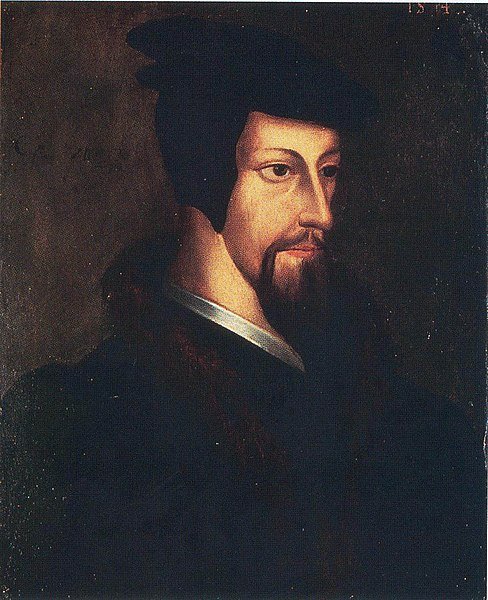
John Calvin
Political Struggles and the Monarchy
The death of King Henry II in 1559 created a power vacuum that exacerbated religious and political rivalries. His widow, Catherine de’ Medici, struggled to maintain control over the crown through her young sons: Francis II, Charles IX, and Henry III. The monarchy faced opposition from powerful noble factions, such as the Catholic House of Guise and the Protestant-aligned House of Condé.
External Influences
Internationally, the French Wars of Religion were intertwined with European politics. Spain and the Papal States supported the Catholic cause, while Protestant England and the Dutch Republic provided aid to the Huguenots.
The French Wars of Religion were among the most tumultuous periods in French history, shaping the nation’s religious and political landscape.
Key Events and Conflicts
The Massacre of Wassy (1562) and the Outbreak of War
The first war began in March 1562, following the Massacre of Wassy, where Catholic forces, led by Francis, Duke of Guise, attacked a Huguenot congregation. This event triggered a broader conflict, with Protestants taking up arms against the Catholic-dominated monarchy.
First War of Religion (1562–1563)
Led by Louis, Prince of Condé, the Huguenots captured several towns, including Orleans. However, they suffered a major setback at the Battle of Dreux in 1562. The war ended with the Edict of Amboise in 1563, granting limited religious toleration.
Second and Third Wars of Religion (1567–1570)
A resurgence of hostilities in 1567 saw continued Catholic-Huguenot clashes, culminating in the Battles of Saint-Denis (1567) and Jarnac (1569), where Condé was killed. Admiral Gaspard de Coligny took command of the Huguenots, but the Protestants suffered another defeat at Moncontour in 1569. The Peace of Saint-Germain (1570) provided temporary relief and allowed Huguenots certain religious freedoms.
St. Bartholomew’s Day Massacre (1572)
One of the most infamous events of the Wars of Religion, the St. Bartholomew’s Day Massacre in August 1572, saw thousands of Huguenots murdered in Paris and across France. The violence was allegedly orchestrated by Catherine de’ Medici and the Guise faction to eliminate Protestant influence.
Fourth to Sixth Wars of Religion (1572–1577)
Despite the massacre, the Huguenots reorganized and fought the Fourth War (1572–1573), the Fifth War (1575–1576), and the Sixth War (1576–1577). The Edict of Beaulieu (1576) briefly granted significant rights to Protestants, but Catholic opposition led to renewed violence.
The Catholic League and the War of the Three Henrys (1585–1589)
By the 1580s, the Catholic League, led by Henry, Duke of Guise, gained dominance. The “War of the Three Henrys” (1585–1589) involved King Henry III, Henry of Navarre (Huguenot leader), and Henry of Guise. Henry III eventually ordered the assassination of Guise in 1588 but was himself assassinated in 1589 by a Catholic radical.
Henry IV and the End of the Wars (1589–1598)
Henry of Navarre became King Henry IV in 1589 but had to fight for his throne. He secured major victories, including the Battle of Ivry in 1590. To gain wider support, he converted to Catholicism in 1593, allegedly stating, “Paris is well worth a Mass.” His conversion led to the Catholic acceptance of his rule and the eventual signing of the Edict of Nantes in 1598, which granted Huguenots religious freedoms and ended the wars.
Consequences of the French Wars of Religion
The wars significantly weakened the monarchy, and the authority of the state was challenged by both Catholic and Protestant factions. Henry IV’s efforts to restore order laid the groundwork for the absolute monarchy later established by Louis XIV.
The Edict of Nantes provided religious toleration but did not eliminate tensions. Protestants remained a minority, facing ongoing discrimination. This period also marked the rise of religious-based factionalism, influencing future conflicts such as the Fronde and the revocation of the Edict of Nantes in 1685.
Henry IV’s policies helped stabilize France, but religious division continued to influence the country for generations.
The wars devastated France’s economy and population, particularly in rural areas. Massacres, sieges, and famine led to significant population loss, with towns and villages suffering destruction.
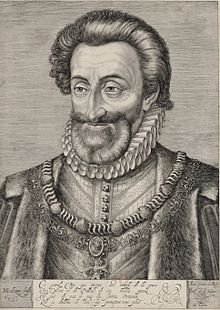
Henry IV
Frequently Asked Questions
What were the French Wars of Religion?
A series of civil wars between French Catholics and Protestants (Huguenots) from 1562 to 1598, causing millions of deaths and weakening the monarchy.
What triggered the conflict?
Religious tensions had been rising since the 1530s, but the Massacre of Vassy in 1562, where Catholic forces killed Huguenots, sparked open warfare.
What was the St. Bartholomew’s Day Massacre?
In 1572, thousands of Huguenots were massacred in Paris and other cities, with the support of Catherine de’ Medici, escalating the conflict.
Who were the key factions?
- The Catholic League, led by the Guise family and supported by Spain and the Papacy.
- The Huguenots, led by the House of Condé and Henry of Navarre, supported by England and the Dutch Republic.
- The Politiques, moderates who sought peace and stability, including Catherine de’ Medici.
How did Henry IV end the wars?
After converting to Catholicism in 1593, he issued the Edict of Nantes in 1598, granting rights to Huguenots while maintaining Catholicism as the state religion.
Did religious tensions continue after 1598?
Yes. Huguenots faced further persecution, culminating in the revocation of the Edict of Nantes in 1685 by Louis XIV, leading to mass Protestant emigration.
What was the significance of the wars?
They weakened the monarchy, devastated France, and led to the rise of absolutism under later rulers like Louis XIV.





