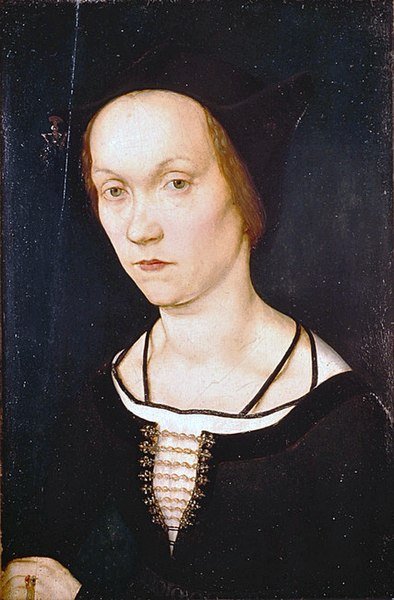
“Portrait of a Woman” by Hans Holbein the Elder
“Portrait of a Woman,” a c. 1515 oil painting by the German artist Hans Holbein the Elder, stands as a significant work from the later years of his career. This intriguing portrait is housed in the Unterlinden Museum in Colmar, France, and has been part of the museum’s collection since the 19th century. The artist’s detailed approach to portraiture and the mystery surrounding the woman’s identity contribute to the painting’s historical and artistic value.
The Artist: Hans Holbein the Elder
Hans Holbein the Elder was a German painter born around 1465, best known for his work in the Renaissance style. He was part of the influential Holbein family of artists, and although his career was marked by steady development, his son, Hans Holbein the Younger, would go on to become more widely celebrated. The elder Holbein’s works were primarily centered around portraiture and religious themes, with an exceptional attention to detail and an ability to capture the nuances of human expression. His later works, including “Portrait of a Woman,” demonstrate a mature and refined style, marking a critical period in his artistic evolution.
Holbein’s portraits were highly detailed and conveyed the status and character of the subjects. He was known for using light, shadow, and texture to bring realism to his figures, and “Portrait of a Woman” exemplifies these qualities. His style showed influences of Northern Renaissance techniques, particularly the precise use of oil paints to create luminous, realistic textures.
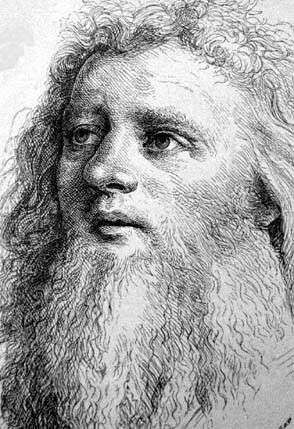
Hans Holbein the Elder
The Painting: Composition and Style
“Portrait of a Woman” is a striking oil painting that reflects the meticulous craftsmanship of Holbein the Elder. The artist’s mastery in rendering realistic textures, especially in the depiction of the subject’s face and clothing, is evident. The subject of the painting is a woman whose identity remains unknown, adding a layer of mystery to the work. She is shown in a formal, frontal pose, which was a typical format for Renaissance portraits of the period. The woman’s expression is composed, though slightly melancholic, lending her a dignified yet somewhat reserved presence.
Holbein’s use of light and shadow is a significant feature of this painting. The soft transitions between light and dark areas on the woman’s face highlight the contours of her cheeks and the delicate folds of her gown. The deep, rich colors of her attire are contrasted with the softer, more subdued tones of the background, drawing the viewer’s attention to her face and hands. The detailed portrayal of her garment also speaks to the artist’s skill in capturing fabric texture, from the luxurious sheen of silk to the intricate folds and shadows that suggest depth and form.
The composition, use of light, and detailed rendering of ‘Portrait of a Woman’ texture showcase the artist’s mastery of the oil medium.
Another notable element is Holbein’s rendering of the woman’s hair. The fine detail given to the hair texture and its careful arrangement demonstrates the artist’s precision in capturing the finest aspects of his subject’s appearance. The sense of realism and three-dimensionality in the portrait is a hallmark of Holbein’s technique, and this painting reflects his deep understanding of how light interacts with surfaces.
The Mystery of the Subject’s Identity
The identity of the woman portrayed in “Portrait of a Woman” has remained elusive. Art historians have speculated on her identity for centuries, but no definitive conclusion has been reached. Some theories suggest that she may have been a member of the upper classes, possibly a noblewoman, due to her fine attire and composed demeanor. However, no historical records or clues within the painting itself provide a clear answer. The lack of a name or contextual details adds to the allure and mystery of the portrait, leaving viewers to wonder about the life and story of the woman captured on canvas.
This sense of anonymity is a characteristic feature in many portraits of the period, especially in cases where the subject was a person of social standing whose identity might not have been documented in written records. The focus of the portrait is more on capturing the essence of the subject’s character and appearance rather than providing specific biographical information.
Ownership History and Museum Display
The painting’s journey over the centuries adds another layer of intrigue to its story. In the 19th century, it was owned by Count Karol Lanckoroński, a nobleman from Vienna. The painting remained in private collections until it was acquired by the Unterlinden Museum in Colmar, where it is currently displayed. In 2016, it was noted that this was the only painting by Holbein the Elder held by a public collection in France, underlining the rarity and importance of the piece within the museum’s holdings.
The Unterlinden Museum, known for its rich collection of medieval and Renaissance art, provides an appropriate setting for this exceptional portrait. Visitors can experience the painting in the context of other works from the Renaissance period, enhancing its significance within the broader history of art.
Frequently Asked Questions
What is the title and artist of the painting?
The painting is titled “Portrait of a Woman” and was created by German artist Hans Holbein the Elder around 1515.
Where is the painting currently housed?
The painting is in the Unterlinden Museum in Colmar, France.
What is the painting’s inventory number?
The inventory number of the painting is 80.1.1.
Who owned the painting in the 19th century?
The painting belonged to Count Karol Lanckoroński of Vienna during the 19th century.
Why is the painting significant in terms of Holbein the Elder’s work?
It is one of the later works by Holbein the Elder and is the only known painting by him in a public collection in France as of 2016.
What is known about the identity of the woman in the painting?
The woman’s identity remains unknown, and her background is shrouded in mystery.
What are the notable features of the painting’s style?
The painting is notable for its detailed rendering of the woman’s face, hair, and clothing, along with the use of light and shadow to create realism.
Why does the painting remain intriguing to art historians?
The mystery surrounding the subject’s identity and the artist’s ability to capture human expression make it a compelling work for study.





