
Edfu, an Egyptian city on the Nile’s west bank, houses the Temple of Horus, ancient Tell Edfu, and nearby pyramid ruins.
Edfu, located on the west bank of the Nile River between Esna and Aswan, is a city with rich historical significance. With a population of approximately 55,000, Edfu is renowned for its Ptolemaic Temple of Horus and the ancient settlement of Tell Edfu. This city was known in Ancient Egyptian as bḥdt and referred to in various historical periods by other names like Apollinopolis Magna.
In the article below, World History Edu delves into the history of this ancient Egyptian city, including the centuries of archaeological and cultural treasures that it holds.
READ MORE: Temple of Edfu
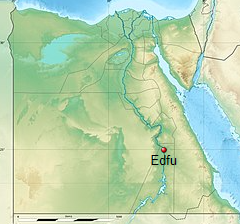
The ancient Egyptian city of Edfu is located on the west bank of the Nile River between Esna and Aswan. Image: Map showing the location of the ancient Egyptian city of Edfu
Tell Edfu, located near the Ptolemaic temple, was known in antiquity as Wetjeset-hor. The Greek name, Apollinopolis Magna, underscores its prominence during the Hellenistic and Roman periods. The remains of this settlement reveal the evolution of Edfu as a provincial town from the Old Kingdom to the Byzantine era, spanning over 3,000 years.
The ancient Egyptian city of Edfu is known for the Ptolemaic Temple of Horus and the ancient settlement of Tell Edfu.
Although eroded and partially destroyed, Tell Edfu remains a crucial site for understanding Egypt’s history. Excavations have revealed the town’s administrative and urban structure, including a columned hall from the Middle Kingdom and a granary complex from the Second Intermediate Period. These granaries, some with diameters of up to 6.5 meters, are the largest found in ancient Egyptian urban centers.
Edfu in the Old Kingdom
The settlement at Edfu flourished during the First Intermediate Period, when it expanded westward despite northern Egypt’s economic decline. The city’s cemetery initially featured mastabas from the Old Kingdom but later moved to different locations, reflecting changes in burial practices over time.
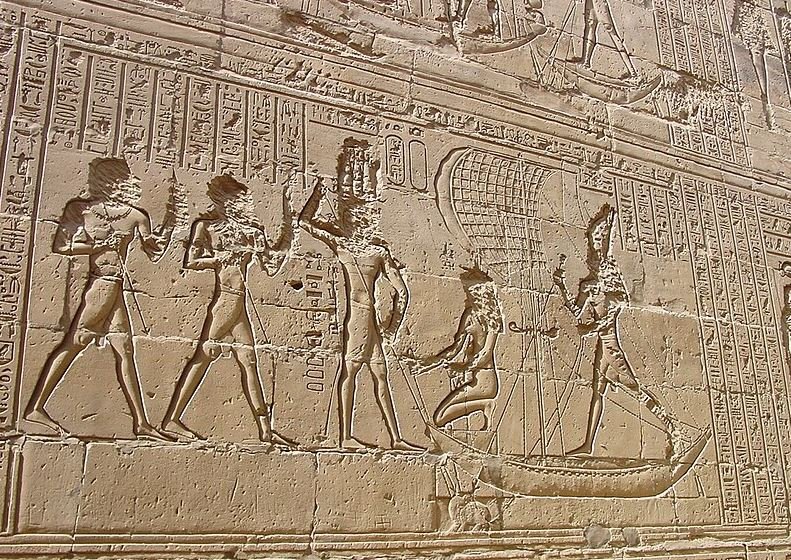
Edfu temple relief
Role in Regional Governance
During the Sixth Dynasty, Edfu was the capital of the Second Upper Egypt nome. Isi, a local administrator during this era, exemplifies the rising influence of regional governors as centralized power waned. Isi’s contributions earned him deification and veneration during the Middle Kingdom.
Temple of Horus
The Temple of Horus at Edfu, constructed between 237 BC and 57 BC, is the most well-preserved temple of its kind in Egypt. Built over the ruins of a New Kingdom temple, the sandstone structure faces north-south, with the earlier temple’s remains visible to the east. Its inscriptions, reliefs, and monumental architecture provide insights into Ptolemaic religious practices.

Statue of Horus in the Temple of Edfu
The temple features a massive pylon, a forecourt, and a richly decorated pronaos. The intricate carvings depict scenes of Horus‘s mythological triumphs and his role as the protector of Egypt. This sacred structure served not only as a religious center but also as a fortress, demonstrating its multifaceted purpose.
The Conflict between Horus and Seth over the Throne of Ancient Egypt
Pyramid Ruins near Edfu
About 5 kilometers (3 miles) south of Edfu lies the ruins of a step pyramid at Naga el-Goneima. Attributed to King Huni of the Third Dynasty, this structure is part of a series of provincial pyramids built along the Nile Valley. Despite their enigmatic purpose, these pyramids underscore the architectural experimentation of early dynastic Egypt.
Edfu in the Hellenistic and Roman Periods
During the Hellenistic period, Edfu was renamed Apollinopolis Magna, honoring the god Horus, equated with Apollo. Under Roman rule, the city became a military hub, housing Legio II Traiana Fortis. Its inhabitants were staunch opponents of crocodile worship, distinguishing themselves culturally within the region.
READ MORE: Greatest Masterpieces of Hellenistic Art
Religious and Cultural Importance
The city derived much of its reputation from its temples, which were second only to the Temple of Dendera in architectural grandeur. The larger temple was dedicated to Horus, who formed a triad with the deities Hathor and Hor-Senet. This religious center symbolized the city’s spiritual and cultural identity.
Edfu’s Transition to Christianity
In the Christian era, Edfu became a bishopric under the metropolitan see of Ptolemais. Papyrus records mention several bishops from the region, highlighting its continued significance as a religious hub. Today, Edfu is recognized as a titular see by the Catholic Church.
Frequently Asked Questions
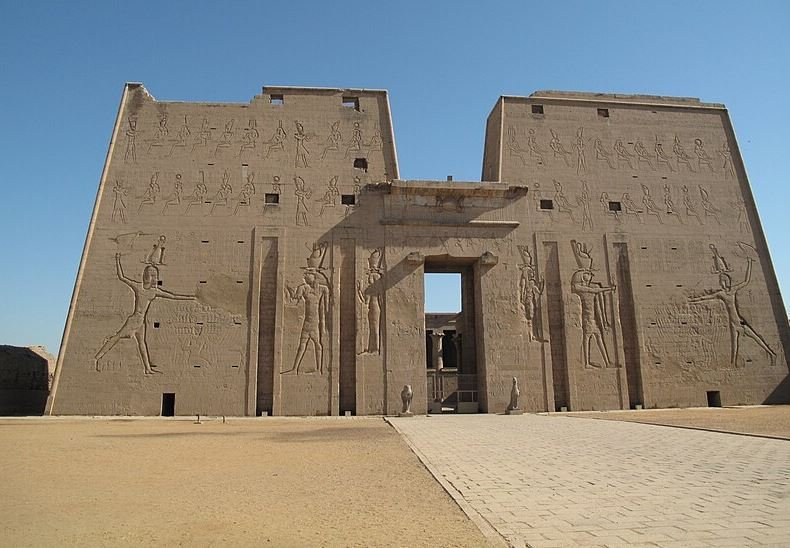
The forecourt of the Temple of Edfu
What is the significance of the Ptolemaic Temple of Horus?
The Temple of Horus at Edfu is the most well-preserved ancient temple in Egypt. Built between 237 BC and 57 BC, it is dedicated to Horus and represents Ptolemaic architectural and religious traditions.
What is Tell Edfu and why is it important?
Tell Edfu is an ancient settlement west of the Ptolemaic temple, providing insights into the history of Edfu from the Old Kingdom to the Byzantine period. It preserves a continuous archaeological record spanning over 3,000 years.
What findings have been made at Tell Edfu?
Excavations have revealed an administrative center with a columned hall from the Middle Kingdom and a granary courtyard from the Second Intermediate Period. These discoveries highlight Edfu’s role as a provincial capital.
What is the historical role of Edfu?
Edfu was the capital of the Second Upper Egypt nome and flourished during the First Intermediate Period, playing a key role in regional administration and trade.
What are the Edfu South Pyramid and its significance?
Located about 3 miles (5 km) south of Edfu, this small step pyramid is attributed to King Huni of the Third Dynasty. Its purpose remains unclear, and it is one of several provincial pyramids along the Nile Valley.
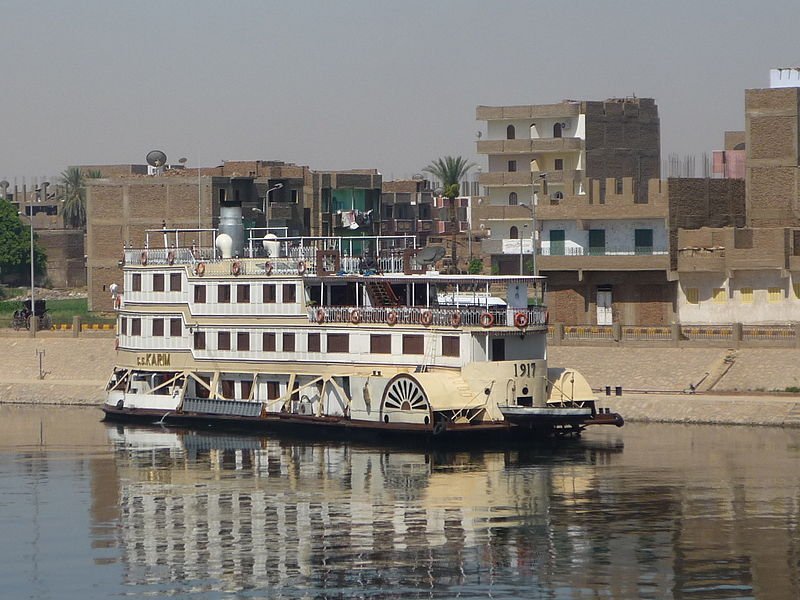
A stunning view of a cruise ship at Edfu, Egypt.





