Islam recognizes many prophets, but some stand out due to their significant roles in guiding humanity and shaping the course of divine revelation. Each prophet was sent to a specific community to deliver God’s message, emphasizing monotheism, righteousness, and moral conduct. Some prophets were also granted divine scriptures or performed miracles to affirm their prophethood.
Below, World History Edu explores the most famous prophets in Islam, highlighting their lives, missions, and their lasting impact on Islamic teachings.
Adam (Ādam): The First Prophet and Human
Adam is regarded as the first human and the first prophet in Islam. According to Islamic teachings, God created Adam from clay and breathed life into him. He was given knowledge that surpassed that of the angels, proving his unique status.
Adam and his wife, Hawwa (Eve), were placed in Paradise but were later sent to Earth after eating from the forbidden tree, deceived by Iblis (Satan). This event is not viewed as original sin in Islam but as a test. Adam repented, and God forgave him, demonstrating God’s mercy. He is considered the first prophet, guiding his descendants toward monotheism and righteous living.
Noah (Nūḥ): The Ark Builder
Noah is a significant figure in Islamic tradition, known for his unwavering faith and perseverance in calling people to worship the one true God. He preached monotheism for centuries, urging his people to abandon idol worship.
Despite his efforts, only a small group of followers believed in him. As a result, God commanded Noah to build an ark to save the believers from a great flood meant to punish the disbelievers. The flood story serves as a lesson about faith, divine justice, and patience. Noah is revered as one of the Ulul Azm, the five greatest prophets.
Abraham (Ibrāhīm): The Father of Monotheism
Abraham plays a central role in Islamic teachings as the father of monotheism. He was born into a society of idol worshipers but recognized the oneness of God at a young age. He challenged his people, including his father, Azar, who was an idol-maker.
In Islam, Ibrahim is considered the father of monotheism and a key figure in Islamic tradition, linking Judaism, Christianity, and Islam.
One of the most famous incidents in Abraham’s life was his refusal to worship idols, leading to his persecution. He was thrown into a fire by King Nimrod, but God miraculously saved him. Later, he and his son Isma’il (Ishmael) built the Kaaba in Mecca, which became the holiest site in Islam.
Abraham was also tested with the command to sacrifice his son, but God replaced him with a ram, establishing the tradition of Eid al-Adha. He is highly respected in Islam, Christianity, and Judaism as a patriarch of monotheistic faiths.
Moses (Mūsā): The Deliverer of the Israelites
Moses is one of the most frequently mentioned prophets in the Quran. He was born during the time of Pharaoh, who ordered the killing of male Israelite infants. His mother placed him in a basket in the Nile, and he was found and raised by Pharaoh’s wife.
As an adult, Moses fled Egypt after accidentally killing an Egyptian. Later, he received prophethood when God spoke to him through a burning bush. He was commanded to confront Pharaoh and lead the Israelites to freedom.
Through divine miracles, including the parting of the Red Sea, Moses led his people to safety. He also received the Tawrat (Torah) on Mount Sinai, containing God’s laws. His story teaches lessons about faith, perseverance, and leadership.
Jesus (ʿĪsā): The Messiah
Jesus is a highly revered prophet in Islam, known as the Messiah. He was born to Mary (Maryam) through a miraculous virgin birth, signifying God’s power. Jesus performed many miracles, such as healing the sick and reviving the dead.
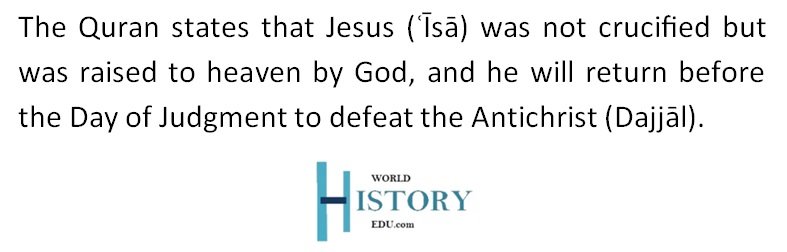
Islamic teachings emphasize that Jesus was not divine but a servant of God who preached monotheism and righteousness. Unlike Christian belief, Islam rejects the crucifixion, asserting that Jesus was not killed but was raised to heaven and will return before the Day of Judgment.
Islam acknowledges Jesus as the Messiah but rejects the notion of his divinity. Instead, he is seen as a human prophet who preached monotheism and righteousness.
Jesus’ role as a prophet highlights compassion, humility, and devotion to God. His second coming is a significant belief in Islamic eschatology, where he will defeat the false messiah (Dajjal) and establish justice.
Muhammad: The Seal of the Prophets
Muhammad is the final and most important prophet in Islam. He was born in Mecca in 570 CE into the Quraysh tribe. At the age of 40, he received his first revelation from the angel Jibril (Gabriel) in the Cave of Hira, marking the beginning of his prophethood.
He preached monotheism in a society dominated by idol worship and faced persecution. After years of struggle, he migrated to Medina, where he established a Muslim community and legal framework. Through military and diplomatic efforts, he united the Arabian Peninsula under Islam.
The Quran, revealed to Muhammad over 23 years, is considered the final and complete guidance for humanity. He is known as the Mercy to the Worlds (Rahmat lil-Alamin), and his life serves as an example for Muslims to follow.

Joseph (Yūsuf): The Dream Interpreter
Joseph’s story, narrated in Surah Yusuf, is one of the most detailed and dramatic in the Quran. He was the beloved son of Prophet Jacob (Ya‘qub) but was envied by his brothers, who threw him into a well.
He was later sold into slavery in Egypt, where he was falsely accused and imprisoned. Due to his ability to interpret dreams, he gained favor with the Pharaoh and eventually became a high-ranking official.
Joseph’s story emphasizes patience, trust in God, and the ultimate triumph of good over evil. His forgiveness of his brothers highlights the importance of mercy and reconciliation.
Solomon (Sulaymān): The Wise King
Solomon was the son of Prophet David (Dāwūd) and was granted immense wisdom and power. He is known for his ability to communicate with animals and control the jinn.
He ruled over a vast kingdom and is famous for his just governance. The Quran recounts how he tested the Queen of Sheba’s faith, leading her to embrace monotheism.
Solomon’s legacy in Islam highlights wisdom, justice, and devotion to God. He is remembered as a powerful yet humble servant of Allah.
From Adam, the first human, to Muhammad, the final prophet, each of these figures played a crucial role in shaping the spiritual path for believers.
Elijah (Ilyās): The Defender of Monotheism
Elijah was sent to guide a nation that had fallen into idol worship. He continuously reminded them of God’s oneness, warning them of divine consequences. Despite opposition, he remained firm in his mission.
His story highlights the struggle between truth and falsehood, reinforcing the importance of steadfastness in faith.
David (Dāwūd): The Warrior Prophet
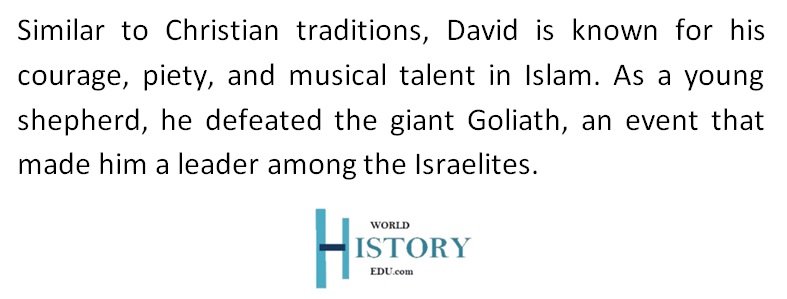
David is renowned for his victory over Goliath (Jalut) when he was a young shepherd. He later became a king and received the Zabur (Psalms), a divine scripture.
David (Dāwūd) became a righteous king and received the Zabur (Psalms) from God.
He was known for his devotion to prayer and fasting. Despite his royal status, he remained humble and committed to worship. His story is a testament to faith, courage, and righteous leadership.
Jonah (Yūnus): The Prophet of Patience
Jonah was sent to preach to a disbelieving people but, out of frustration, left without God’s command. As a result, he was swallowed by a great fish, where he repented sincerely.
After being released, he returned to his people, who eventually accepted his message. His story highlights the importance of patience, trust in God, and sincere repentance.
Job (Ayyūb): The Prophet of Patience and Endurance
Job is known for his extreme patience during suffering. He was tested with loss of wealth, family, and health but never wavered in his faith. Despite Satan’s attempts to lead him astray, Job remained devoted to God.
Eventually, God restored his health and granted him greater blessings. His story is a testament to unwavering faith, patience, and God’s reward for perseverance.

Important Questions & Answers on Prophets in Islam
What is the role of prophets in Islam?
Prophets in Islam are chosen individuals who spread God’s message, guide people to monotheism, and serve as moral exemplars.
What is the difference between a prophet (nabī) and a messenger (rasūl)?
A nabī is a prophet who receives divine revelation, while a rasūl is a messenger given a new law or scripture.
Who was the first prophet in Islam?
Adam (Ādam) is considered the first prophet and the first human being created by God.
Every prophet in Islam emphasized worshiping one God and rejecting idolatry.
Who was the last prophet in Islam?
Muhammad is regarded as the “Seal of the Prophets” (Khatam an-Nabiyyin), meaning no prophets will come after him.
How many prophets are mentioned in the Quran?
The Quran names 25 prophets, but Islamic tradition holds that God sent many more throughout history.
What scriptures were revealed to the prophets?
The Tawrat (Torah) to Moses, Zabur (Psalms) to David, Injil (Gospel) to Jesus, and the Quran to Muhammad.
Are prophets in Islam infallible?
Islamic belief holds that prophets are protected from major sins and errors in delivering God’s message, a concept called ʿiṣmah.
Did Jesus (‘Isa) bring a new law?
Yes, Jesus was a messenger with the Injil but followed the Mosaic law.
Are women considered prophets in Islam?
Some scholars argue that Mary (Maryam) was a prophet due to her divine communication, but the majority do not recognize female prophets.
Do Muslims believe in Jewish and Christian prophets?
Yes, but they believe their original messages were altered over time.
What miracles are associated with prophets in Islam?
Moses parted the sea, Jesus healed the sick, and Muhammad split the moon, among others.
Why is Muhammad considered the final prophet?
The Quran states that Muhammad completed the divine message, making further prophets unnecessary.
What is the connection between prophets and eschatology?
Prophets warn about the Day of Judgment and the consequences of disbelief, urging people to follow God’s path.
Do angels act as prophets in Islam?
No, but angels serve as messengers between God and prophets.
Prophets in Islam have a number of characteristics. They are revered as truthful, trustworthy, intelligent, patient, and divinely guided.
Are saints considered prophets in Islam?
Some traditions venerate saints, but they are not regarded as prophets.
How do the Quran and Hadith support the concept of prophethood?
The Quran narrates stories of prophets, and Hadiths provide further details about their lives and missions.
FACT CHECK: At World History Edu, we strive for utmost accuracy and objectivity. But if you come across something that doesn’t look right, don’t hesitate to leave a comment below.





