Women’s March on Versailles: Origins, Mobilization, Goals, & Significance
The Women’s March on Versailles, also known as the October Days, was a pivotal event during the early stages of the French Revolution. Taking place on October 5–6, 1789, it...
Marie Antoinette, the last Queen of France before the French Revolution, remains a subject of fascination and controversy. Various inquiries surround her life, reign, and death, reflecting her complicated legacy and the tumultuous events that characterized her existence and the epoch she lived in.
Here are a few questions about her life and death:
Marie Antoinette is famous for her extravagant lifestyle and fashion sense, which made her a polarizing figure, and for her execution during the French Revolution.
There is no solid evidence to confirm that Marie Antoinette ever said, “Let them eat cake” in response to learning that the French peasantry had no bread. It is widely regarded as apocryphal and likely propaganda.
Marie Antoinette’s unpopularity stemmed from her Austrian ancestry, her perceived extravagance and frivolity, and the economic turmoil France experienced during her time as queen.
Yes. The French queen had four children with Louis XVI: Marie Thérèse, Louis Joseph, Louis Charles, and Sophie Hélène Béatrix.
Marie Antoinette was executed by guillotine on October 16, 1793, during the Reign of Terror, following the execution of her husband, Louis XVI.
Marie Antoinette played a significant symbolic role in the French Revolution as a representative of royal excess and tyranny. She was a target of revolutionary propaganda and was ultimately tried and executed as an enemy of the Republic.
The fairness of Marie Antoinette’s trial is debated. Many historians argue that it was politically motivated, with the outcome predetermined, and laden with charges that were exaggerated or unproven.
The remains of Marie Antoinette and Louis XVI were exhumed in 1815 and reburied in the Basilica of Saint-Denis, the royal necropolis of the French kings.
Marie Antoinette’s legacy is complex. She is both a symbol of royal excess and a figure of tragedy, with modern perspectives offering a more nuanced view of her life, considering her personal qualities and the tumultuous events that marked her reign.

The Women’s March on Versailles, also known as the October Days, was a pivotal event during the early stages of the French Revolution. Taking place on October 5–6, 1789, it...

The term “Ancien Régime” (French for “Old Regime”) refers to the political and social system that existed in France and other parts of Europe before the French Revolution of 1789....

The execution of Louis XVI on January 21, 1793, stands as one of the most pivotal events in French and European history. This dramatic culmination of the French Revolution marked the definitive...

The Flight to Varennes was a critical event in the French Revolution that dramatically altered the course of both the revolution and the fate of the French monarchy. Occurring during...

The phrase “Let them eat cake” has long been attributed to Marie-Antoinette, queen of France during the tumultuous years leading up to the French Revolution. This quote, symbolizing the disconnect between the...

The last words of history’s greatest leaders offer glimpses into their final moments and provide insights into their thoughts, beliefs, and legacies. From profound reflections to poignant farewells, these parting...

On November 9, 1799, the French general Napoleon Bonaparte successfully took control of France from the hands of the Directory and then went ahead to establish the French Consulate. Napoleon’s...
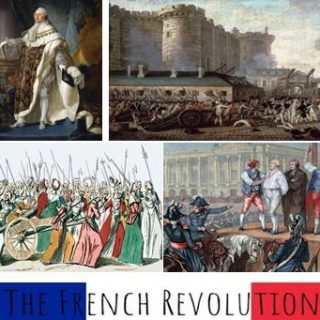
From 1789 to round about 1799, the French Revolution ripped through France, causing unimaginable chaos, terror and deaths. And even to this day, the revolution ranks as one the most...

Marie Antoinette was born in Vienna, the capital of Austria. At the tender age of 15, she tied the knot with King Louis XVI of France. She was a symbol...

The French Revolution is right up there as one of the greatest people uprisings to ever occur on the face of this earth. In several regards, it was not your...





