The Red Army during World War II
The Red Army, also known as the Workers’ and Peasants’ Red Army, played a central role in World War II, referred to in the Soviet Union as the Great Patriotic War. From defending against the German invasion in 1941 to capturing Berlin in 1945, the Red Army’s efforts were pivotal in the Allied victory. Below, World History Edu explores the Red Army’s evolution, challenges, and triumphs during the war.

Image: Badge of the Red Army.
The German Invasion: Operation Barbarossa
On June 22, 1941, Nazi Germany launched Operation Barbarossa, a massive invasion of the Soviet Union. The Red Army was unprepared, suffering significant losses due to Stalin’s purges, logistical shortcomings, and surprise tactics by the Germans. In the early months, millions of Soviet soldiers were killed or captured, and vast territories fell to the Wehrmacht.
Despite early defeats, the Red Army managed to slow the German advance by employing a scorched-earth policy and defending key cities like Moscow. By late 1941, the Soviet winter counteroffensive had forced the Germans to retreat from the capital.

Image: German soldiers gathered at the Soviet border marker on June 22, 1941.
The Turning Point: Stalingrad and Kursk
The Battle of Stalingrad (1942–1943) marked a turning point in the war. After months of brutal urban combat, the Red Army encircled and defeated the German 6th Army, dealing a devastating blow to Hitler’s forces. This victory inspired renewed Soviet confidence.
The Battle of Kursk in mid-1943 solidified the Red Army’s momentum. It was the largest tank battle in history and resulted in a decisive Soviet victory. From this point forward, the Red Army shifted from defensive operations to a sustained offensive campaign.
Soviet Offensives and the Liberation of Eastern Europe
Beginning in late 1943, the Red Army launched a series of offensives to reclaim occupied territories. The liberation of Ukraine, Belarus, and the Baltic states demonstrated the Soviet military’s growing strength and effectiveness. Operations like Bagration in 1944 dismantled German Army Group Center, paving the way for Soviet advances into Eastern Europe.
The Red Army’s successes were bolstered by improved tactics, increased production of advanced weapons like the T-34 tank, and logistical support from the Allies through Lend-Lease agreements.
The Capture of Berlin
By early 1945, the Red Army had crossed into Germany. The Vistula-Oder Offensive brought Soviet forces to the gates of Berlin, initiating the final assault. After weeks of intense fighting, the Red Army captured the city in May 1945. The fall of Berlin marked the defeat of Nazi Germany and the end of the war in Europe.
Soviet soldiers raised the Red Banner over the Reichstag, symbolizing their victory and the immense sacrifices made to achieve it.
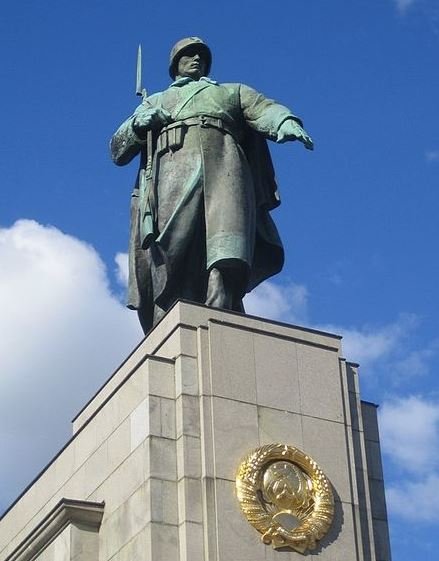
Image: Monument to the Red Army, located in Berlin, Germany.
Contributions to the Allied Victory
The Red Army bore the brunt of the fighting on the Eastern Front, accounting for 75–80% of German military casualties. Its relentless pressure tied down Axis resources and facilitated Allied successes in the West. The Soviet invasion of Manchuria in August 1945 also hastened Japan’s surrender, showcasing the Red Army’s role in ending the war in the Pacific.
Challenges and Sacrifices
The Red Army’s achievements came at a tremendous cost. Official figures estimate over 6 million Soviet soldiers were killed in action, with total casualties exceeding 8.6 million. The rapid expansion of the army during the war often resulted in poorly trained and equipped soldiers, further increasing losses.
Atrocities committed by some Red Army units in occupied territories, including mass rapes and looting, tarnished its legacy, highlighting the darker aspects of war.
Technological and Tactical Advancements
The Red Army’s ability to adapt and innovate was crucial to its success. The T-34 tank became one of the war’s most effective armored vehicles, combining mobility, firepower, and durability. Soviet artillery and the Katyusha rocket launcher also played vital roles in battlefield superiority.
Tactically, the Red Army refined its doctrine of deep operations, emphasizing simultaneous attacks at multiple levels to overwhelm German defenses. This approach proved decisive in major offensives like Bagration.

Women in the Red Army
Women played a significant role in the Red Army, with over 800,000 serving during the war. They took on diverse roles, including snipers, pilots, medics, and machine gunners. Notable figures like sniper Lyudmila Pavlichenko and the “Night Witches” bomber pilots demonstrated exceptional bravery and skill.
READ MORE: 10 Most Notable Pilots of the Night Witches
Support Through Lend-Lease
The Soviet war effort benefited from Allied Lend-Lease supplies. The United States provided trucks, planes, and raw materials critical for sustaining the Red Army. These contributions supplemented Soviet industrial output and ensured logistical efficiency on the frontlines.
Legacy of the Red Army in World War II
The Red Army emerged from World War II as a symbol of Soviet strength and resilience. Its role in defeating fascism and liberating Eastern Europe remains a point of pride in Russian history. However, the immense human cost and ethical controversies continue to spark debate about its wartime legacy.

Frequently Asked Questions about the Red Army
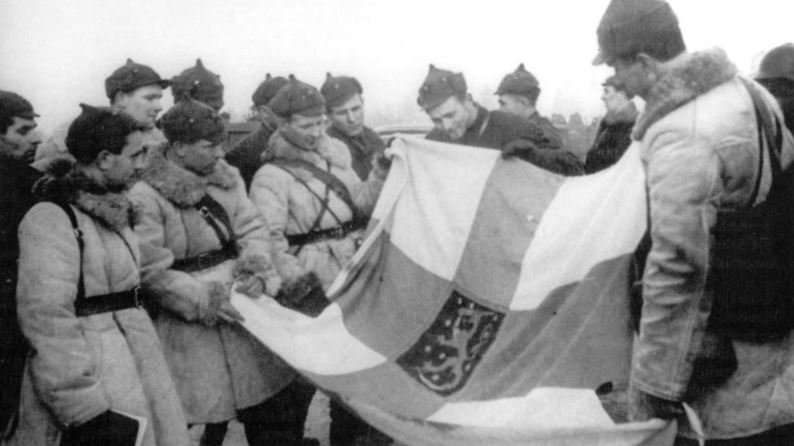
Image: In March 1940, Red Army soldiers present a captured Finnish banner as a symbol of victory.





