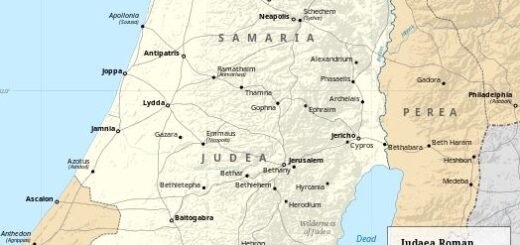
Roman-Jewish Historian Flavius Josephus
Flavius Josephus, born Yosef ben Mattityahu around AD 37 in Jerusalem, was a prominent Roman-Jewish historian and military leader. His works, particularly The Jewish War and Antiquities of the Jews, offer critical insights into the history of the Jewish people, the First Jewish–Roman War, and the cultural milieu of the first century. A man of priestly and royal lineage, Josephus lived through the turbulent events that shaped the Jewish diaspora and served as both a chronicler and participant in significant historical episodes.
Early Life and Education
Josephus was born into a wealthy and influential family in Jerusalem. His father, Matthias, belonged to the priestly order of Jehoiarib, the first of the 24 priestly divisions in the Jerusalem Temple. His mother claimed descent from the Hasmonean dynasty, giving Josephus both priestly and royal credentials. He was the second-born son, raised alongside his brother Matthias in an environment of privilege and education.
Josephus exhibited intellectual promise early in life. By his mid-twenties, he was entrusted with a diplomatic mission to Rome to negotiate the release of Jewish priests. His exposure to Roman culture and politics during this period likely influenced his later decision to collaborate with the empire.

Flavius Josephus depicted in the “Nuremberg Chronicle”.
Role in the First Jewish–Roman War
At the outbreak of the First Jewish–Roman War (AD 66–70), Josephus was appointed military governor of Galilee. His tenure was marked by internal divisions, as some towns, like Sepphoris and Tiberias, sought peace with Rome. Josephus fortified key locations, including Tiberias, Yodfat (Jotapata), and other towns, preparing for the inevitable Roman assault.
Josephus clashed with rival Jewish leaders, notably John of Gischala, for control of Galilee. Despite his efforts, he was besieged by Roman forces under Vespasian and his son Titus. After the fall of Yodfat in AD 67, Josephus and his men took refuge in a cave. In a controversial act, he proposed a suicide pact, but through a combination of chance and persuasion, he survived and surrendered to the Romans.
Collaboration with Rome
While imprisoned, Josephus claimed to have experienced a divine revelation, predicting that Vespasian would become emperor. When this prophecy was fulfilled, Vespasian freed Josephus, granting him Roman citizenship and the family name Flavius. Josephus subsequently served as an advisor to Vespasian and Titus, accompanying them during the siege of Jerusalem in AD 70.
Josephus relocated to Rome, where he lived under the patronage of the Flavian dynasty. He received a pension, accommodations, and privileges befitting his status as a favored client of the emperors. While in Rome, he dedicated himself to writing, producing works that would define his legacy.
Major Works

The Jewish War
Written around AD 75, The Jewish War chronicles the revolt against Roman rule, from its origins to the destruction of Jerusalem and the aftermath. It provides a detailed account of key events, including the siege of Masada and the Roman triumph in Rome. The work is both a historical narrative and a reflection of Josephus’s attempts to justify his actions and promote reconciliation between Jews and Romans.
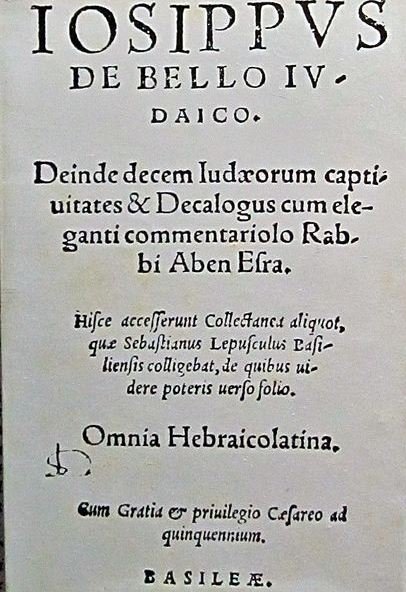
“The Jewish War” in Hebrew-Latin.
Antiquities of the Jews
Completed around AD 94, this 21-volume work presents a comprehensive history of the Jewish people, from creation to Josephus’s time. Written for a Greco-Roman audience, it seeks to portray Jewish culture and history in a favorable light, emphasizing its antiquity and moral values.
Other Writings
Josephus also authored Against Apion, a defense of Judaism against anti-Semitic claims, and The Life of Flavius Josephus, an autobiographical account addressing criticisms of his conduct during the war.
Historical and Cultural Impact
Josephus’s works are invaluable for understanding first-century Judaism, the sociopolitical landscape of Judea, and the context of early Christianity. They provide independent accounts of figures such as Pontius Pilate, Herod the Great, and Jesus of Nazareth, supplementing biblical narratives.
Among Jews, Josephus’s perceived collaboration with Rome tarnished his reputation, leading to accusations of betrayal. However, his detailed accounts preserved critical historical knowledge. For Christians, Josephus became an important source for understanding the fall of Jerusalem and the destruction of the Second Temple, events interpreted as divine judgment.
Criticisms and Evaluations
Josephus’s decision to surrender at Yodfat and align with the Romans drew sharp criticism. His contemporaries and later historians have debated whether his actions were pragmatic or self-serving. Critics like Mary Smallwood describe him as duplicitous, while others acknowledge his survival instincts and historical contributions.
Modern scholars approach Josephus’s writings with caution. While his works are detailed, they are shaped by his dual objectives: justifying his own actions and portraying Jews favorably to a Roman audience. His tendency to exaggerate and his political motives necessitate critical analysis.
Contributions to Archaeology and Scholarship
Josephus’s descriptions have guided archaeological discoveries, including the identification of Herod’s tomb and sites in Galilee. His works remain central to studies of the Second Temple period, the Dead Sea Scrolls, and the dynamics of Jewish sects such as the Pharisees, Sadducees, and Essenes.
Questions and Answers
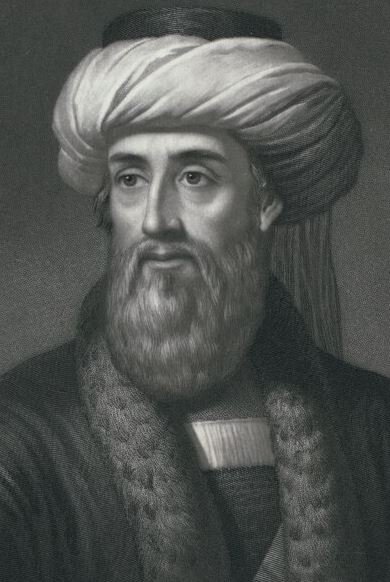
A 19th-century painting of Josephus by Thomas Addis Emmet.
What role did Josephus play in the First Jewish–Roman War?
Initially a Jewish military commander in Galilee, he surrendered to the Romans in AD 67, predicting Vespasian’s rise to emperor, which secured his freedom and Roman patronage.
What is Josephus’s significance in Jewish and Christian history?
His writings provide critical historical context for first-century Judaism, the destruction of the Second Temple, and figures like Pontius Pilate, Herod the Great, and Jesus of Nazareth.
What are Josephus’s most important works?
The Jewish War recounts the Jewish revolt against Rome, while Antiquities of the Jews narrates Jewish history for a Greco-Roman audience, highlighting Jewish culture and laws.
Why was Josephus controversial among Jews?
He was seen as a traitor for his surrender to the Romans and subsequent collaboration, including acting as an advisor to Emperor Vespasian and his son Titus.
What themes dominate Josephus’s works?
His writings emphasize the antiquity and cultural significance of Judaism, the consequences of zealotry, and the interplay between Jewish and Roman societies.
How did Josephus’s works influence later history?
His accounts shaped early Christian perspectives on Judaism, informed classical historians, and provided archaeological insights, such as the discovery of Herod’s Tomb.