Æthelred the Unready
Æthelred II, known as “the Unready,” was King of the English from 978 to 1013 and again from 1014 until his death in 1016. His epithet originates from the Old English word “unræd,” meaning “poorly advised”—a pun on his name, which means “well advised.” Æthelred’s reign was marked by Viking invasions, internal strife, and controversial decisions that ultimately led to the temporary loss of his kingdom. Despite his long reign of 37 years, Æthelred is often remembered for his failures rather than his achievements.
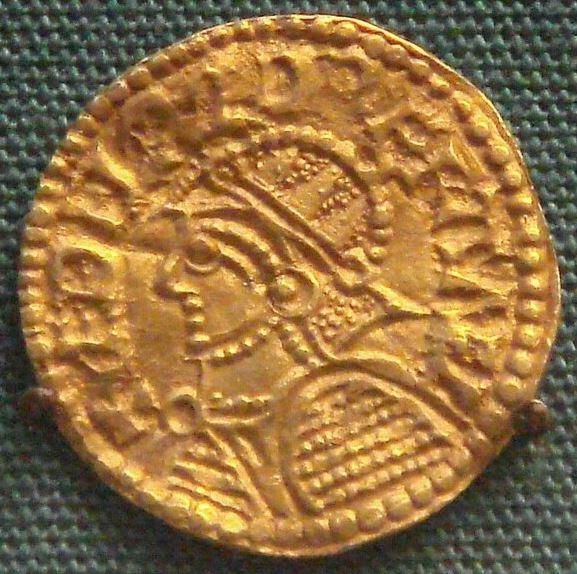
Gold coin of Æthelred.
READ MORE: How did the longships compare to other ships built by the Vikings?
Early Life and Ascension to the Throne
Æthelred was born around 966 as the son of King Edgar and Queen Ælfthryth. His path to the throne was marred by controversy. His elder half-brother, Edward the Martyr, initially became king upon Edgar’s death in 975. However, Edward was assassinated in 978 under mysterious circumstances, an event that many suspected involved Æthelred’s supporters. Æthelred, then about 12 years old, was crowned king shortly afterward, but his reign began under a cloud of suspicion and instability.
“ill-advised”
Æthelred’s name, composed of the elements “æðele” (noble) and “ræd” (counsel), follows the tradition of Wessex royalty, with names that emphasize nobility and wisdom. Ironically, his epithet “unræd”—meaning “ill-advised”—contradicts his name. The phrase “Æthelred Unræd” is an oxymoron, translating to “Noble Counsel, No Counsel.” His nickname, however, was not recorded until more than 150 years after his death, casting doubt on whether his contemporaries perceived him as poorly advised.
Challenges and Conflicts with the Danes
After a period of relative peace, Viking raids resumed in the late 10th century. The first recorded attack during Æthelred’s reign occurred in 980, with coastal regions like Hampshire and Devon suffering incursions. By 991, the Vikings launched a full-scale assault, culminating in the Battle of Maldon. Despite their bravery, the English forces were defeated, and Æthelred agreed to pay tribute, known as “Danegeld,” to buy peace from the invaders.
In response to the increasing Viking threat, Æthelred ordered the St. Brice’s Day Massacre on November 13, 1002. This decree called for the execution of all Danes residing in England, including women and children. While it is unclear how widespread the killings were, the massacre enraged Sweyn Forkbeard, King of Denmark, whose sister, Gunhilde, was reportedly among the victims. This event prompted Sweyn to invade England in 1003, launching a campaign of devastation that would ultimately force Æthelred into exile.
Exile and Restoration
By 1013, Sweyn Forkbeard had successfully overthrown Æthelred, forcing him to flee to Normandy. However, Sweyn’s reign was short-lived, as he died suddenly in early 1014. With the Danes in disarray, Æthelred seized the opportunity to reclaim his throne. English nobles invited him back under the condition that he would rule more justly. Though he returned to power, his second reign was short and fraught with continued Viking aggression.
Military Struggles and the Rise of Edmund Ironside
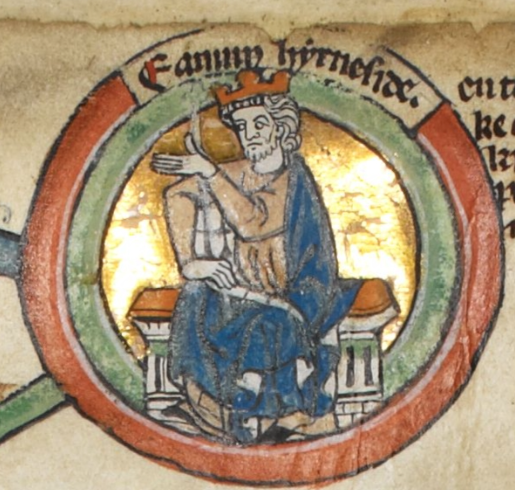
Portrait of Edmund Ironside.
Despite his return, Æthelred struggled to repel the ongoing Viking invasions. By 1015, Sweyn’s son, Cnut, launched a renewed campaign against England. Æthelred’s son, Edmund Ironside, emerged as a strong military leader, resisting the Danish forces even as Æthelred’s health declined. In April 1016, Æthelred died, leaving Edmund to continue the fight against Cnut. However, Edmund died later that year, paving the way for Cnut to take the English throne.
Legislative and Administrative Efforts
Despite the failures of his military campaigns, Æthelred’s reign was marked by significant legal and administrative reforms. His government produced multiple legal codes, many of which were influenced by Archbishop Wulfstan of York. These laws focused on maintaining order, regulating trade, and strengthening the church’s influence. One of Æthelred’s most notable contributions was his attempt to systematize the payment of Danegeld as a national policy—although this was seen as a sign of weakness, it was a practical response to an overwhelming Viking threat.

A depiction of Æthelred II.
Coinage and Economic Policies
Æthelred’s reign saw an improvement in the English coinage system. The quality of silver pennies remained high, and frequent recoinages ensured a stable currency. The efficiency of his economic administration allowed him to raise large sums for tribute payments and military expenses, although this ultimately failed to prevent Viking invasions.
A King Misunderstood?
Æthelred’s reputation has suffered due to the chroniclers who wrote about him long after his death. The Anglo-Saxon Chronicle, written decades later, portrays him as an ineffective ruler plagued by misfortune. However, modern historians argue that Æthelred’s challenges were immense and that his failures were not entirely his own doing. He inherited a kingdom with political divisions and faced an unprecedented level of Viking aggression.
Modern scholarship suggests that Æthelred’s downfall was due to external pressures rather than sheer incompetence.
Influence on the Jury System
Some historians credit Æthelred with influencing the development of the English jury system. His “Wantage Code,” issued in 997, established a group of 12 thegns responsible for identifying criminals within their districts. While it is debated whether this directly led to the modern jury system, it reflects an early attempt at structured legal inquiry.
Family and Descendants
Æthelred married twice. His first wife, Ælfgifu of York, bore him several sons, including Edmund Ironside. His second marriage to Emma of Normandy produced Edward the Confessor, who would later reclaim the English throne in 1042. His descendants continued to play a crucial role in English history, with Edward’s reign marking the last of the Anglo-Saxon monarchy before the Norman Conquest.
What was the relationship between William the Conqueror and Edward the Confessor?
Death and Burial
Æthelred died on April 23, 1016, and was buried in Old St. Paul’s Cathedral in London. His tomb was later destroyed in the Great Fire of London in 1666. While his final resting place is lost, his legacy continues to be debated among historians.
Frequently Asked Questions
What does the epithet “Unready” actually mean?
It derives from the Old English word “unræd,” meaning “poorly advised,” making it a pun on his name, which means “well advised.”
How did Æthelred become king?
He ascended the throne in 978 after the assassination of his half-brother, Edward the Martyr, under suspicious circumstances.
What was the significance of the Battle of Maldon (991)?
It marked a major Viking victory, leading Æthelred to begin paying Danegeld (tribute) to buy peace from the invaders.
What was the St. Brice’s Day Massacre?
On November 13, 1002, Æthelred ordered the killing of all Danes in England, provoking Sweyn Forkbeard’s invasion in retaliation.
Why did Æthelred go into exile in 1013?
Sweyn Forkbeard conquered England, forcing Æthelred to flee to Normandy, though he later reclaimed the throne in 1014.

Silver coin of Æthelred.
What role did Edmund Ironside play during Æthelred’s reign?
As Æthelred’s son, Edmund led resistance against the Vikings, but his efforts were cut short by Æthelred’s death and his own shortly after.
Did Æthelred contribute to legal and administrative reforms?
Yes, his reign saw multiple legal codes, coinage improvements, and early efforts in structured legal inquiry, influencing the jury system.
What was Æthelred’s long-term legacy?
Although his reign was marked by military failures, modern historians recognize his administrative reforms and external pressures that shaped his rule.





