American Poet and Critic James Russell Lowell: Life and Major Works
James Russell Lowell, born on February 22, 1819, was a towering figure in American Romantic literature, known for his poetry, criticism, and editorial influence.
His career was marked by his commitment to social reform, particularly through his abolitionist work, as well as his deep engagement with the literary movements of his time.
A member of the Fireside Poets, Lowell’s work was widely read and discussed, making him one of the most influential writers of his generation.
Early Life and Education
Lowell was born in Cambridge, Massachusetts, to an old New England family steeped in the intellectual traditions of the time. His father, Reverend Charles Lowell, was a Unitarian minister, which influenced James’s strong moral compass and sense of social duty. Educated at Harvard College, where he graduated in 1838, Lowell’s rebellious spirit often led him into trouble.
Despite his youthful distractions, he cultivated an enduring passion for literature and philosophy during his time at Harvard. He continued at Harvard Law School but ultimately found himself drawn more to poetry and social commentary than to the practice of law.
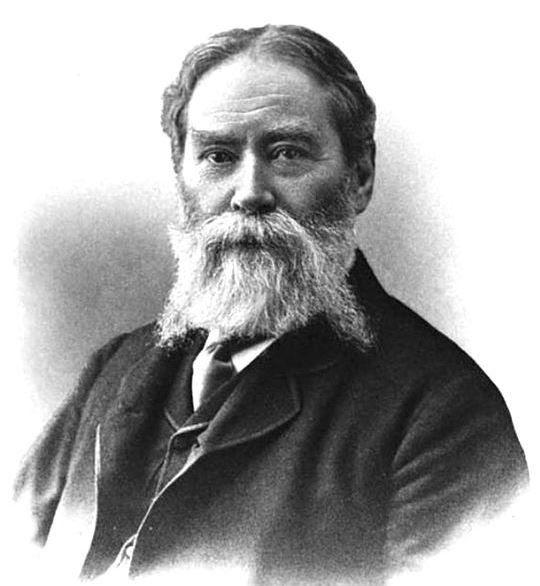
Image: Lowell during the 1890s
Beginnings in Poetry and Marriage to Maria White
In 1841, Lowell published his first poetry collection, A Year’s Life, marking his initial step into the literary world. His work revealed Romantic influences and a budding moral vision that would grow stronger in his later works.
In 1844, Lowell married Maria White, a poet and dedicated abolitionist whose convictions profoundly impacted him. Maria’s influence brought Lowell closer to abolitionism, a cause he would passionately support through his writing. Their marriage produced several children, though only one survived past infancy, a series of losses that deeply affected Lowell’s emotional life and cast a somber tone over some of his work.
Abolitionist Commitment and Early Editorial Work
Lowell’s involvement with abolitionism led him to Philadelphia, where he became an editor at an abolitionist newspaper. Through his poetry and essays, he used literature as a platform for advocating social change, contributing to the growing movement against slavery in the United States. His efforts extended to founding The Pioneer, a literary magazine in Cambridge, though it lasted only three issues due to financial struggles. The experience sharpened Lowell’s skills as a critic and writer, and he remained committed to using literature as a vehicle for reform.
Satire and Social Critique: A Fable for Critics and The Biglow Papers
Lowell’s fame increased in 1848, a landmark year when he published two significant works that established his reputation as both a satirist and social critic. A Fable for Critics, a humorous, self-aware critique of prominent writers of his day, showed Lowell’s ability to blend wit with incisive social commentary. That same year, he released The Biglow Papers, a work that satirized political issues of the day, including the Mexican-American War and slavery.
Using the voice of Hosea Biglow, a New England Yankee, Lowell brought dialect and regional character into his poetry, capturing the distinct speech patterns and social values of rural America. The work was a literary milestone, as it combined humor, dialect, and social critique, inspiring later writers like Mark Twain and H. L. Mencken to explore regional American voices in their own work.
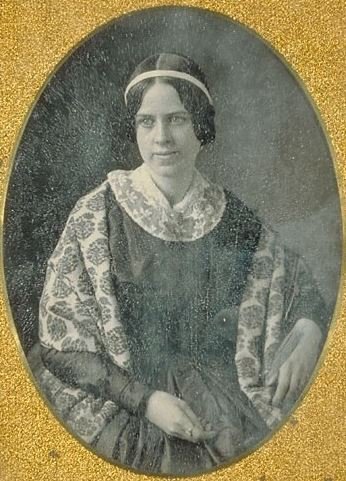
Image: Maria Lowell in 1845.
Personal Tragedy and a New Chapter
Lowell’s life took a darker turn in 1853 when his wife Maria passed away, an event that deeply saddened him. Seeking solace, he accepted a professorship in languages at Harvard in 1854, where he spent two years in Europe before formally taking up the role.
His travels broadened his perspective, giving him fresh insight into European culture and philosophy, which would later infuse his work. In 1857, he married Frances Dunlap, and that same year he became the editor of The Atlantic Monthly, a leading American literary magazine. Under his leadership, The Atlantic provided a platform for important American writers and helped shape literary discourse in the United States.
Later Career as a Harvard Professor and Literary Figure
Lowell taught at Harvard for twenty years, balancing his role as an educator with his growing stature as a poet and critic. During this period, he published various collections of essays and poetry, often exploring American culture, identity, and the ethical concerns of his era.
His works continued to champion social reform, though his initial fervor for abolitionism had softened over time. Lowell’s literary criticism and poetry reflected a nuanced understanding of American identity, and his writing during this period cemented his role as a public intellectual in the American literary landscape.
Diplomatic Roles: Ambassador to Spain and Britain
Lowell’s influence extended beyond literature when he was appointed U.S. ambassador to Spain in 1877, and later to the United Kingdom at the Court of St. James’s. As an ambassador, Lowell sought to foster closer relationships between the United States and Europe, using his literary reputation and diplomatic skills to engage with European society.
His time in Britain strengthened his ties to English literary circles and reinforced his status as an international literary figure. Although he had mixed success as a diplomat, his role helped bridge cultural connections between America and Europe and highlighted the importance of literary diplomacy.
Legacy and Literary Contributions
Throughout his life, Lowell saw poets and writers as not only creators of art but as prophets and critics who could shape public opinion and inspire social change. His role in the abolitionist movement, though complicated by his later wavering, underscored his belief in the power of literature as a moral force. His use of the Yankee dialect in The Biglow Papers was pioneering, offering a lens into American regionalism that inspired future writers to capture the diversity of American voices.
Lowell’s satirical style also served as a model for American humorists, blending wit with social criticism to address issues that resonated with a broad audience. His work as an editor and critic at The Atlantic Monthly helped establish the magazine as a major literary institution, and his advocacy for young writers, such as Harriet Beecher Stowe and Ralph Waldo Emerson, helped shape the literary future of America.
Influence on American Literature and the Fireside Poets
Lowell’s association with the Fireside Poets, a group that included Longfellow, Whittier, Holmes, and Bryant, cemented his place in American literary history. The Fireside Poets made poetry accessible to American families, often using conventional forms and themes that resonated with readers across the nation. Lowell’s own work balanced accessibility with intellectual depth, making him a beloved figure among American readers. His Romantic ideals, coupled with a uniquely American perspective, contributed to the evolution of a distinctly American literary voice that could rival British influence.
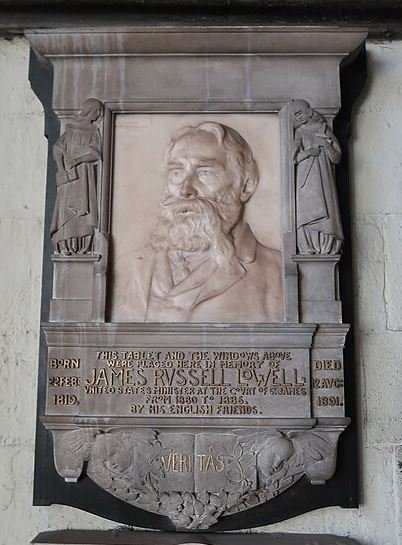
Image: A memorial tablet for Lowell in Westminster Abbey, London.
Final Years and Death
In his later years, Lowell returned to Elmwood, his family’s estate in Cambridge, where he spent his remaining days. He continued to write, though he gradually withdrew from public life. His experiences as both a diplomat and a poet gave him a nuanced perspective on America’s cultural position in the world, and he remained engaged with literary discussions until his death on August 12, 1891. Lowell’s legacy as a poet, critic, and public intellectual endures, with his works still studied for their social insights and literary craft.
Conclusion
James Russell Lowell’s contributions to American literature extend beyond his poetry. As a critic, editor, and diplomat, he influenced the cultural and intellectual landscape of 19th-century America.
His commitment to social reform, particularly his early dedication to abolitionism, demonstrated his belief in the power of literature to address moral issues. His satirical approach and use of dialect brought regional voices into American literature, inspiring future generations of writers to explore the diversity of American experience.
Today, Lowell is remembered as a foundational figure in American letters, whose works continue to resonate for their wit, social consciousness, and distinctly American voice. His role in the Fireside Poets movement, combined with his editorial and diplomatic contributions, firmly establish him as a key figure in the development of American literature and cultural identity.
Frequently Asked Questions
What is the significance of the fireside poets?
The fireside poets were named for their popularity in family settings, as their use of conventional forms and themes brought poetry into American homes, helping American literature gain popularity alongside British works.
Where did Lowell receive his education, and how did his academic career begin?
Lowell attended Harvard College, graduating in 1838 despite a rebellious reputation, and later pursued law at Harvard Law School before ultimately turning to writing.
How did Lowell’s first wife, Maria White, influence his work?
Maria White, a poet and abolitionist, inspired Lowell’s dedication to the abolitionist movement, which became central to his work and advocacy.
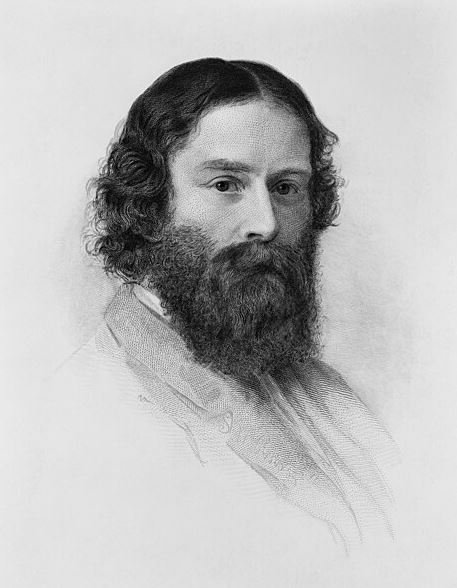
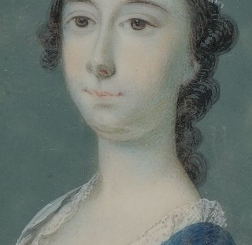
Image: Lowell during the mid 1850s.
What was The Pioneer, and why is it important in Lowell’s career?
The Pioneer was a literary magazine co-founded by Lowell in Cambridge. Though it only lasted three issues, it showcased Lowell’s ambitions as a writer and critic.
What were A Fable for Critics and The Biglow Papers, and why were they significant?
A Fable for Critics (1848) humorously critiqued contemporary writers, while The Biglow Papers used Yankee dialect to address social issues like the Mexican-American War and slavery, establishing Lowell’s reputation as a poet and social commentator.
How did Lowell’s career change after Maria’s death?
After Maria’s death in 1853, Lowell became a professor of languages at Harvard, traveled to Europe, and eventually remarried. He also became editor of The Atlantic Monthly, elevating it to prominence in American literature.
What was Lowell’s role at The Atlantic Monthly?
As editor, Lowell guided The Atlantic Monthly in showcasing influential American writers, shaping the literary scene of his time.
How did Lowell’s career take a diplomatic turn?
In 1877, Lowell was appointed U.S. ambassador to Spain, later serving as ambassador to the United Kingdom, where he fostered relations between the two nations.
Where did Lowell spend his final years, and when did he die?
Lowell returned to his family estate in Cambridge, Elmwood, where he spent his final years and passed away on August 12, 1891.
How did Lowell view the role of the poet?
Lowell saw the poet as both a prophet and critic, using poetry to inspire social change and engage with society’s issues, particularly in his early abolitionist work.
What impact did The Biglow Papers have on future writers?
Lowell’s use of the Yankee dialect in The Biglow Papers captured New England’s character and inspired writers like Mark Twain and H.L. Mencken to explore regional dialects in their work.
What legacy did Lowell leave in American literature?
Lowell’s accessible, socially conscious poetry and his work as an editor helped define American Romanticism and established a foundation for American literature, making him an influential figure in 19th-century American culture.