American Suffragist Lucy Burns: Life and Major Accomplishment
Lucy Burns (July 28, 1879 – December 22, 1966) was a prominent American suffragist and women’s rights advocate, best known for her activism alongside Alice Paul in the fight for women’s suffrage in the United States. Burns played a crucial role in the suffrage movement through her organizing skills, dedication, and commitment to nonviolent civil disobedience.
Her efforts were instrumental in securing the passage of the 19th Amendment, which granted American women the right to vote in 1920. Throughout her life, Burns demonstrated a remarkable ability to inspire others and lead effective campaigns, despite facing numerous challenges and personal sacrifices.
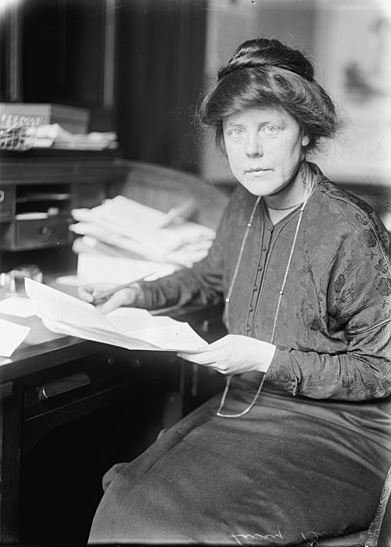
Lucy Burns (1879–1966) was an American suffragist and women’s rights advocate, active in the U.S. and U.K., and joined militant suffragettes. Image Burns during her time with the Congressional Union.
Early Life and Education
Lucy Burns was born into an Irish Catholic family in Brooklyn, New York, in 1879. Raised in a religious and educated household, Burns was supported by her family, particularly her father, Edward Burns, who was committed to her academic success. This support allowed her to pursue an impressive education. Burns excelled as a student and attended prestigious institutions, including Packer Collegiate Institute, Columbia University, Vassar College, and Yale University.
At Packer Collegiate Institute, Burns met one of her most influential role models, Laura Wylie, who was one of the first women to attend Yale University Graduate School. Wylie’s academic achievements and advocacy for women’s education deeply inspired Burns. After completing her studies at Packer, Burns continued her education at Vassar College, where she developed a strong interest in the humanities, particularly language and literature.
Burns initially pursued a career in teaching, taking a position as an English instructor at Erasmus High School in Brooklyn. Despite her success in the classroom, she found the experience frustrating and unsatisfying. Yearning to further her own education, Burns left teaching and traveled to Germany in 1906 to study language at the Universities of Bonn and Berlin. Later, she continued her studies at Oxford University in the United Kingdom, where her passion for women’s rights activism would be ignited.
Introduction to Activism
While studying in Europe, Burns became exposed to the women’s suffrage movement, which was gaining momentum in the United Kingdom. She was particularly inspired by the Women’s Social and Political Union (WSPU), a militant suffrage organization led by Emmeline Pankhurst and her daughters, Christabel and Sylvia. Burns admired their bold and radical tactics in advocating for women’s suffrage and was so moved by their cause that she abandoned her academic pursuits to join the WSPU.
Burns’s first experience with activism came in 1909 when she began working with the Pankhursts. She started by selling the WSPU’s newsletter, Votes for Women, and quickly became involved in protests and demonstrations. One of her first significant acts of civil disobedience occurred in June 1909 when she participated in a protest and was arrested for the first time. Burns’s involvement with the WSPU deepened over time, and she became a salaried organizer for the organization from 1910 to 1912.
During her time with the WSPU, Burns participated in a number of high-profile campaigns and protests, many of which resulted in her arrest. She took part in a variety of direct actions, such as disrupting political meetings, organizing parades, and engaging in hunger strikes while imprisoned. Burns’s courage and willingness to endure the hardships of imprisonment for the cause of women’s suffrage made her a respected figure within the movement.
Burns’s activism in the United Kingdom introduced her to Alice Paul, a fellow American suffragist who had also been inspired by the militant tactics of the WSPU. The two women first met in a London police station after being arrested for protesting. They quickly formed a close bond over their shared frustration with the slow progress of the suffrage movement in the United States and their desire for more radical and effective methods of advocacy.
Return to the United States and Formation of the National Woman’s Party
In 1912, Lucy Burns and Alice Paul returned to the United States with the goal of revitalizing the American suffrage movement. They were determined to bring the same level of urgency and militancy they had witnessed in the United Kingdom to the U.S. suffrage cause. The two women initially joined the National American Woman Suffrage Association (NAWSA), which was the leading suffrage organization in the United States at the time.
Burns and Paul were appointed to lead NAWSA’s Congressional Committee, which was responsible for advocating for a federal suffrage amendment. However, they quickly became frustrated with the organization’s conservative approach and reluctance to adopt more militant tactics. Burns and Paul believed that more direct action was necessary to pressure the government into passing a federal amendment granting women the right to vote.
In 1913, Burns and Paul organized a major suffrage demonstration known as the Woman Suffrage Procession. The event took place in Washington, D.C., on March 3, the day before President Woodrow Wilson’s inauguration. Thousands of women marched down Pennsylvania Avenue to demand the right to vote, and the event attracted widespread media attention. The procession was a bold and public demonstration of the growing demand for women’s suffrage and marked the beginning of a new era of activism in the U.S. suffrage movement.
Following the success of the Woman Suffrage Procession, Burns and Paul became increasingly at odds with NAWSA’s leadership, which preferred a state-by-state approach to securing suffrage rather than focusing on a federal amendment. In response, Burns and Paul formed the Congressional Union for Woman Suffrage (CU) in 1913, an organization that would later evolve into the National Woman’s Party (NWP) in 1916. The NWP was dedicated to securing a federal suffrage amendment and employed more militant tactics than other suffrage organizations in the United States.
The Silent Sentinels and Imprisonment
One of the most famous campaigns led by the National Woman’s Party was the picketing of the White House, a protest that became known as the “Silent Sentinels.” Beginning in January 1917, members of the NWP, including Lucy Burns, stood outside the White House holding signs that demanded President Woodrow Wilson take action on women’s suffrage. The pickets were peaceful, but they were a direct challenge to the president and his administration.
Despite the nonviolent nature of the protests, many of the women, including Burns, were arrested for obstructing traffic. Burns was arrested multiple times for her participation in the pickets and was sentenced to jail on several occasions. During her imprisonment, Burns led hunger strikes to protest the harsh conditions and to demand recognition as political prisoners.
The most infamous episode during Burns’s time in prison occurred on November 14, 1917, a night that became known as the “Night of Terror.” On this night, Burns and several other suffragists were subjected to brutal treatment by the guards at the Occoquan Workhouse, where they were imprisoned. The women were beaten, thrown into cold cells, and denied medical care. Burns was singled out for particularly harsh treatment—she was handcuffed with her arms above her head and left in this painful position for an entire night.
Despite the physical and emotional toll of her imprisonment, Burns remained steadfast in her commitment to the suffrage cause. She continued to organize protests and hunger strikes from within the prison, and her courage inspired other suffragists to persevere in the face of adversity. The public outrage over the treatment of Burns and her fellow suffragists helped galvanize support for the women’s suffrage movement and put pressure on the government to act.
The Passage of the 19th Amendment
Lucy Burns’s tireless activism, alongside that of Alice Paul and the other members of the National Woman’s Party, played a crucial role in the eventual passage of the 19th Amendment. The amendment, which granted women the right to vote, was passed by Congress on June 4, 1919, and ratified by the required number of states on August 18, 1920.
Burns’s contributions to the suffrage movement were vital to the success of the amendment. Her leadership in organizing protests, lobbying politicians, and raising public awareness helped to keep the issue of women’s suffrage at the forefront of national attention. The passage of the 19th Amendment was a monumental victory for women’s rights in the United States, and Burns’s work was a key factor in achieving that success.
Post-Suffrage Life and Legacy
After the passage of the 19th Amendment, Lucy Burns retired from political life. Exhausted from years of activism and imprisonment, Burns chose to step away from the public spotlight and devote herself to her personal life. She spent the remainder of her life caring for her orphaned niece and became deeply involved in the Catholic Church.
Burns’s decision to withdraw from public activism following the suffrage victory was influenced by the toll that her years of work had taken on her health and spirit. She expressed frustration with the lack of recognition and support from some quarters of the women’s movement, particularly from married women who had not participated in the struggle for suffrage.
Despite her retreat from public life, Burns’s legacy as a leader of the suffrage movement has endured. Her partnership with Alice Paul and her role in the National Woman’s Party helped to reshape the suffrage movement in the United States and brought about the federal amendment that granted women the right to vote. Burns’s contributions to the movement were characterized by her fierce dedication, organizational skill, and willingness to endure hardship for the cause of equality.
In 2020, Lucy Burns was posthumously honored by the National Women’s History Alliance for her contributions to the suffrage movement. The Lucy Burns Museum, located at the former site of the Occoquan Workhouse, where she and other suffragists were imprisoned, opened to the public in 2020. The museum commemorates the sacrifices made by Burns and other suffragists in their fight for women’s rights and serves as a reminder of the struggle for equality that continues to this day.
Major Accomplishments of Lucy Burns
- Co-founding the National Woman’s Party: Alongside Alice Paul, Lucy Burns co-founded the National Woman’s Party (NWP), an organization that played a central role in the fight for a federal suffrage amendment. The NWP’s militant tactics and bold actions helped to keep the issue of women’s suffrage at the forefront of national attention and pressured the government to take action.
- Organizing the Woman Suffrage Procession (1913): Burns was one of the key organizers of the Woman Suffrage Procession in Washington, D.C., in 1913. The event, held the day before President Woodrow Wilson’s inauguration, was one of the first large-scale suffrage demonstrations in the United States and helped to galvanize support for the cause.
- Leadership in the Silent Sentinels Protests: Burns was a leader in the Silent Sentinels protests, where women picketed the White House to demand action on women’s suffrage. Her multiple arrests and imprisonment during these protests, as well as her leadership in hunger strikes, drew public attention to the suffrage cause and helped to build momentum for the passage of the 19th Amendment.
- Enduring the “Night of Terror” and Organizing Hunger Strikes: Burns’s courage and determination were on full display during the “Night of Terror” in 1917, when she and other suffragists were brutally treated by prison guards. Her leadership in organizing hunger strikes from within the prison further demonstrated her commitment to the cause and inspired other suffragists to continue the fight.
- Contributing to the Passage of the 19th Amendment: Burns’s activism, particularly through her work with the National Woman’s Party, was instrumental in the eventual passage of the 19th Amendment. Her tireless efforts to lobby politicians, organize protests, and raise public awareness helped to secure the right to vote for American women.
Questions and Answers about Suffragist Lucy Burns
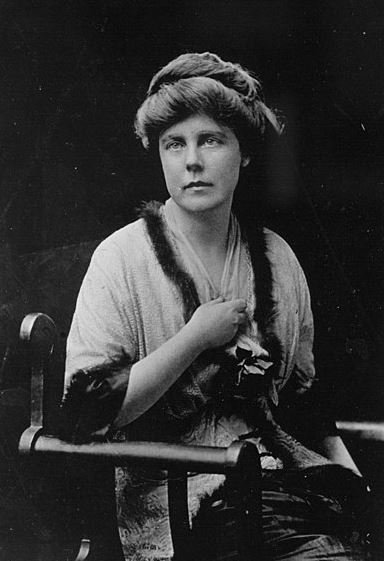
Lucy Burns was a pivotal figure in the American suffrage movement, whose contributions helped secure one of the most significant victories for women’s rights in U.S. history—the passage of the 19th Amendment. Image: A 1913 picture of Burns.
Where and when was Lucy Burns born?
Lucy Burns was born in New York to an Irish Catholic family.
What educational institutions did Lucy Burns attend?
Lucy Burns attended Packer Collegiate Institute, Columbia University, Vassar College, and Yale University.
While attending Packer Collegiate Institute, Burns met one of her lifelong role models, Laura Wylie, one of the first women to attend Yale University Graduate School.
Where did Burns continue her studies after teaching in Brooklyn, and what did she study?
Burns resumed her language studies in Germany at the Universities of Bonn and Berlin, and later studied English at Oxford University in the United Kingdom.
How did Lucy Burns become involved in activism?
Burns became involved in activism after meeting Emmeline Pankhurst and her daughters in the United Kingdom and joining the Women’s Social and Political Union (WSPU), where she participated in protests and other suffragette activities.
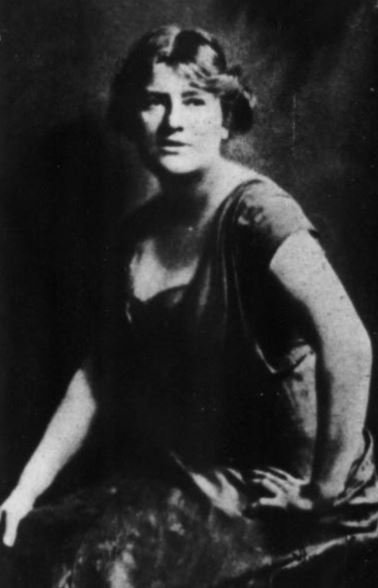
Fellow National Woman’s Party member Inez Haynes Irwin described Lucy Burns as an eloquent speaker and writer with a warm, intellectual, and charming personality, complemented by an infectious Irish charm. Image: Irwin during the late 1910s.
When did Lucy Burns meet Alice Paul, and what was the result of their partnership?
Lucy Burns met Alice Paul in 1912 at a London police station after both were arrested for protesting. They bonded over their frustrations with the American suffrage movement and became close collaborators, eventually returning to the U.S. to continue the fight for women’s rights.
Burns and Paul organized the Woman Suffrage Procession in Washington, D.C., in 1913, a major demonstration for women’s rights.
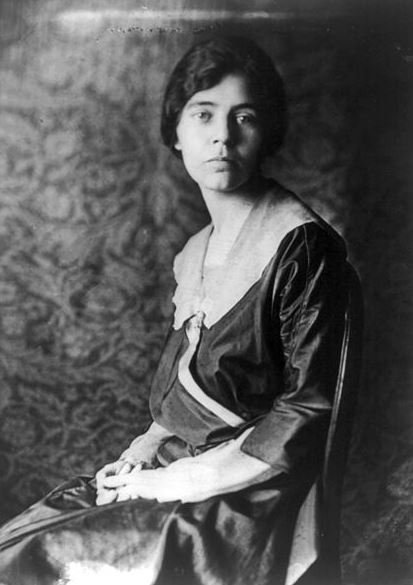
Image: Alice Paul (1885 – 1977)
What organization did Lucy Burns help form after disagreements with NAWSA?
After disagreements with NAWSA, Lucy Burns helped form the Congressional Union, which later became the National Woman’s Party (NWP).
What was the significance of the “Silent Sentinels” protests led by the National Woman’s Party?
The “Silent Sentinels” were a group of women led by the National Woman’s Party who picketed the White House in 1917. These protests were significant for their persistence and led to multiple arrests, including that of Lucy Burns.
What hardships did Burns face during her imprisonment at the Occoquan Workhouse?
Burns faced harsh conditions during her imprisonment at the Occoquan Workhouse, including the “Night of Terror” in 1917, when suffragists were brutalized by guards. Burns led hunger strikes and organized protests from within the prison.
What role did Burns play in the passage of the 19th Amendment?
Burns’s leadership and activism, particularly through the National Woman’s Party and protests, contributed to the eventual passage of the 19th Amendment, granting women the right to vote in 1920.
After the passage of the 19th Amendment, Burns retired from political life and devoted herself to the Catholic Church and caring for her orphaned niece.
When did Lucy Burns pass away, and how was she honored posthumously?
Lucy Burns passed away on December 22, 1966, in Brooklyn, New York. She was posthumously honored by the National Women’s History Alliance in 2020, and the Lucy Burns Museum opened at the former site of the Occoquan Workhouse.