The Battle of Fariskur, fought on April 6, 1250, marked the final chapter of the Seventh Crusade. It saw King Louis IX of France leading the Crusaders against the Egyptian forces commanded by Turanshah of the Ayyubid dynasty. The crushing defeat of the Crusaders and the subsequent capture of Louis IX symbolized the end of a significant era in the history of the Crusades.
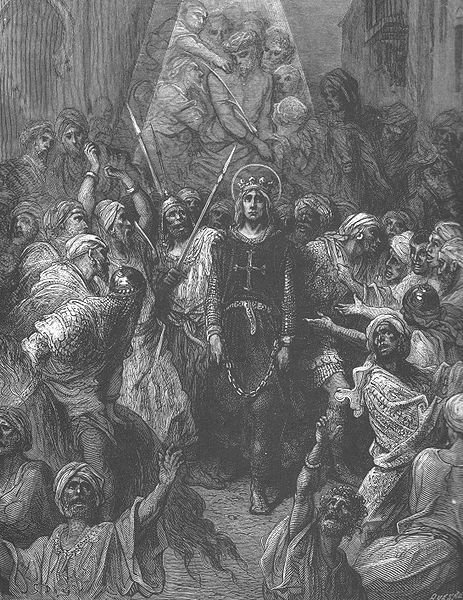
Egyptian forces capture King Louis.
Papal Support and Strategic Goals
King Louis IX of France launched the Seventh Crusade with full backing from Pope Innocent IV during the First Council of Lyon. The primary goals were to defeat Egypt, dismantle the Ayyubid dynasty, and reclaim Jerusalem, which had fallen back into Muslim hands in 1244.
The Initial Landing at Damietta
In June 1249, the Crusaders arrived in Egypt and captured the strategic port of Damietta with surprising ease. The local Ayyubid garrison, led by Emir Fakhr ad-Din Yussuf, abandoned the city, causing widespread panic among the civilian population. This victory gave Louis IX confidence to advance toward Cairo.
The Prelude to Fariskur
The Crusaders’ march toward Cairo was met with fierce resistance. Upon crossing the Canal of Ashmum, they launched a surprise attack on an Egyptian camp at Gideila, near Al Mansurah. However, the Egyptians, under the leadership of Mamluk commanders Baibars al-Bunduqdari and Qutuz, swiftly regrouped.
Baibars devised a plan to lure the Crusaders into Al Mansurah, where they were ambushed by Egyptian forces and local inhabitants. The Crusaders suffered devastating losses, including the death of Louis’s brother, Robert d’Artois. Forced to retreat, the Crusaders established a fortified camp at Gideila, enduring weeks of guerrilla attacks and dwindling supplies.
The Battle of Fariskur
Turanshah, the newly crowned Sultan of Egypt, arrived in Al Mansurah in February 1250. Using innovative tactics, including transporting ships overland to blockade the Nile, he cut off the Crusaders’ supply lines from Damietta. The Egyptians also used Greek fire to destroy Crusader ships, leaving the army stranded and demoralized.
Louis IX attempted to negotiate, offering to exchange Damietta for Jerusalem and other territories. However, aware of the Crusaders’ dire situation, the Egyptians rejected the proposal. Famine, disease, and desertion further weakened the Crusaders.
On April 5, under the cover of darkness, the Crusaders abandoned their camp and fled toward Damietta. Their hasty retreat left a pontoon bridge intact, allowing Egyptian forces to pursue them. At Fariskur, the Crusaders faced a decisive defeat. Thousands were killed or captured, and King Louis IX, along with his surviving nobles, was captured in a nearby village.
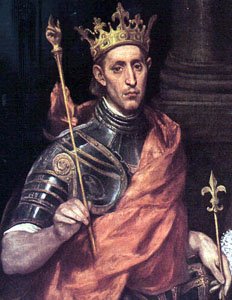
Louis IX
Aftermath: The Consequences of Defeat
Louis IX was imprisoned in Al Mansurah, where he was treated with relative dignity. To secure his release, he agreed to pay a ransom of 400,000 dinars and relinquish Damietta. On May 8, 1250, Louis and his surviving followers were released and retreated to Acre.
The news of the Crusaders’ defeat sent shockwaves through Europe. Early reports falsely claimed that Louis had triumphed. When the truth emerged, it led to widespread disillusionment and a failed popular movement known as the Shepherds’ Crusade.
The victory at Fariskur solidified Egypt’s position as the stronghold of Islamic resistance against the Crusaders. Shortly after the battle, Turanshah was assassinated, and the Mamluks, who had been instrumental in the victory, rose to power in Egypt.
Historical Consequences and Geopolitical Shifts
The Seventh Crusade’s failure marked a turning point in the Crusader movement. European monarchs lost interest in launching major campaigns, and Jerusalem remained under Muslim control.
At the time of Fariskur, the Mongol Empire was expanding westward, posing a new threat to the Islamic world. The Mamluks would later confront and defeat the Mongols at the Battle of Ain Jalut in 1260, further solidifying their dominance in the region.
The defeat of the crusaders shocked Europe, diminished interest in future crusades, and marked the last major European offensive against Egypt.
Western powers, including Pope Innocent IV and Louis IX, sought alliances with the Mongols to counter Islamic forces. However, these efforts yielded little success. The Mongols, while initially receptive, ultimately demanded submission from European rulers.
Under leaders like Sultan Qutuz and Baibars, the Mamluks expanded their control, defeating both Crusader states and Mongol incursions. By the late 13th century, they had recaptured most of the Crusader-held territories along the Levantine coast.
Cultural and National Legacy
In Egypt, the expulsion of Louis IX is celebrated annually on May 8 as the National Day of Damietta Governorate. The battle is remembered as a symbol of resistance and triumph against foreign invaders.
Despite his failure in Egypt, Louis IX was canonized as Saint Louis in 1297. His crusading efforts, while unsuccessful, cemented his reputation as a devout and determined leader.
The Mamluks’ victory at Fariskur and subsequent triumphs over the Mongols established them as the protectors of the Islamic world. Their rule lasted until the Ottoman conquest of Egypt in 1517.

Frequently Asked Questions
Why did the Crusaders target Egypt during the Seventh Crusade?
Egypt was viewed as the stronghold of the Ayyubid dynasty, and defeating it was essential to reclaiming Jerusalem, which the Muslims had recaptured in 1244.
What led to the defeat of the Crusaders at Fariskur?
The Egyptians, under Turanshah and the Mamluks, used tactics such as cutting off Crusader supplies, employing Greek fire, and launching relentless attacks. Famine, disease, and desertion weakened the Crusader forces.
What role did the Mamluks play in the battle?
The Mamluks, led by commanders like Baibars and Qutuz, reorganized the Egyptian defense, trapped Crusaders in Al Mansurah, and orchestrated their final defeat at Fariskur.
What happened to King Louis IX after the battle?
Louis IX was captured and imprisoned in Al Mansurah. He was later ransomed for 400,000 dinars, promised not to return to Egypt, and released with other Crusader prisoners.
What impact did the battle have on Egypt?
The victory solidified Egypt’s role as a stronghold of Islam, ended Crusader advances on the region, and led to the rise of the Mamluks as rulers of Egypt after Turanshah’s assassination.
How did the Seventh Crusade shape future conflicts?
It weakened Crusader ambitions, spurred alliances like those between the Cilician Armenians and Mongols, and set the stage for Mamluk victories against the Mongols at Ain Jalut and against remaining Crusader states.





