Relationship between Sekhmet and the sun god Ra
Sekhmet, in Egyptian mythology, is a complex goddess with a dual nature. While she is primarily associated with destruction, war, and chaos, she also plays a role in protecting Ra,...

Sekhmet, in Egyptian mythology, is a complex goddess with a dual nature. While she is primarily associated with destruction, war, and chaos, she also plays a role in protecting Ra,...

In ancient Egyptian mythology, Sia (pronounced “see-uh”) was not a major deity with a prominent cult following but rather a personification or concept associated with specific aspects of human cognition...

The general view among historians and archeologists is that the Sumerian pantheon is one of the oldest recorded pantheons in human history, and it offers a fascinating glimpse into the...

In Egyptian mythology, the journey of the sun god Ra through the underworld, known as the Duat, was a crucial aspect of the daily cycle. As Ra traveled through this...

The daily journey of Ra, the sun god in ancient Egyptian mythology, was a symbolic and central belief that held deep significance in Egyptian religion and cosmology. Below, World History...
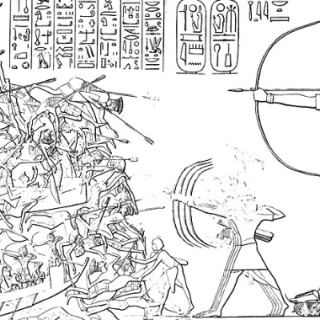
Ancient Egypt, with its rich history spanning over three millennia, encountered numerous adversaries, allies, and competitors. For example, tribes from Libya, to the west of Egypt, frequently clashed with the...
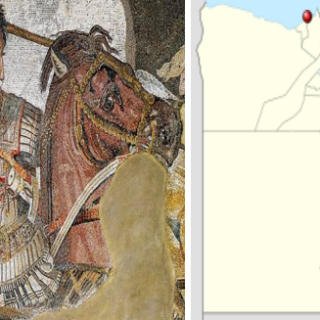
Alexander the Great’s conquest of Egypt in 332 BC was a relatively smooth and bloodless campaign. Alexander the Great’s invasion of Egypt in 332 BC marked a significant chapter in...

The Hall of Truth (often referred to as the “Hall of Maat” or “Hall of Two Truths”) is a central concept in Ancient Egyptian afterlife beliefs and mythology. It’s the...

Hercules, known as Heracles in Greek mythology, was a demigod and a son of Zeus. Due to a fit of madness (induced by the goddess Hera, Zeus’s wife who was...
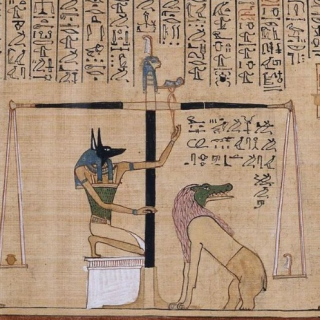
The Ancient Egyptians held a profound belief in the afterlife, and it deeply influenced their culture, religious practices, and burial customs. In the article below, World History Edu takes a...

The construction of the pyramids, particularly the grand pyramids of Giza, is a topic that has intrigued scholars, historians, and the general public for centuries. While many aspects of pyramid...

Palmyra, an ancient Semitic city in present-day Syria, was a significant cultural and trade hub, especially during the first three centuries AD. The city’s religious practices blended elements from Mesopotamian,...

In a wedding ceremony that was attended by all the major deities in the Greek pantheon, the bride Harmonia was presented a magical necklace that brought misfortune and misery to...

Athena is considered parthenos (virgin), and this aspect of her nature is emphasized in her title “Athena Parthenos.” Unlike many other Olympian deities who had numerous affairs and offspring, Athena...

The Greek pantheon, similar to the Roman, is vast and while major gods like Zeus, Hera, and Artemis are well-known, there are many lesser-known deities that played roles in Greek...





