Religion in Ancient India
Religious developments in ancient India were profound and multifaceted, shaping not only the spiritual lives of its people but also influencing the cultural, social, and political landscapes. The period witnessed...
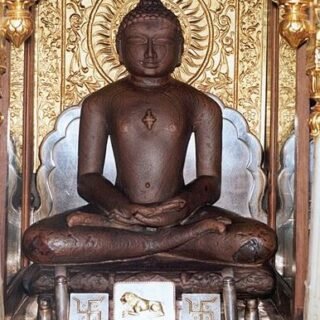
Religious developments in ancient India were profound and multifaceted, shaping not only the spiritual lives of its people but also influencing the cultural, social, and political landscapes. The period witnessed...
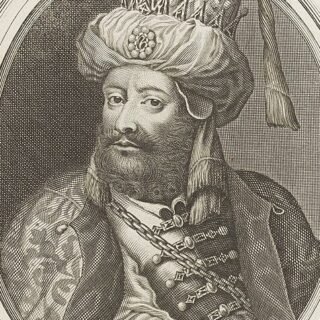
Muhi al-Din Muhammad, later known as Aurangzeb, was born on 3 November 1618 in Dahod, Gujarat, into the royal family of the Mughal Empire. He was the third son of...

The Gujarat Sultanate, also known as the Sultanate of Guzerat, was an important Islamic kingdom that existed during the late medieval period in Western India. Its territory primarily covered the...

The Indian Revolt of 1857, also known as the First War of Indian Independence, was a significant uprising against the British East India Company’s rule. However, it ultimately failed, and...

The history of weaponry in India is as ancient as it is culturally significant, reflecting both the subcontinent’s rich tradition of warfare and its diverse technological ingenuity. From the earliest...

In Hinduism, the river Ganga (or Ganges) is not just considered a river but is deified and worshipped as a goddess who is regarded as a bearer of purity, sanctity,...

In the years after the horrific Indian Revolt of 1857, the British came out with the derogatory name “Pandee” or “Pandey” to describe a mutinous sepoy (i.e. an Indian infantryman)....

The 1947 partition of the British India is one of the most pivotal points in not just India’s history but of south Asian history as well. The Indian partition led...

Jawaharlal Nehru was one of the most influential Indian nationalists. With the support and mentorship he received from Mahatma Gandhi, Nehru came to lead Indian National Congress, tentatively moving the...





