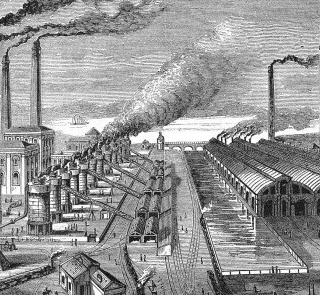
The Industrial Revolution was a period from the late 18th to early 19th century during which major changes in agriculture, manufacturing, mining, transportation, and technology occurred, transforming largely agrarian societies into industrial ones.
These FAQs offer a snapshot of the monumental shifts brought about by the Industrial Revolution, a transformative period that laid the foundation for the modern world.
When and where did it begin?
It began in the late 18th century, around the 1760s, in Britain.
What were the key inventions during this period?
Notable inventions include the spinning jenny, the steam engine, the power loom, and the locomotive. Additionally, innovations in processes, such as the factory system and the Bessemer process for steel production, were significant.
How did the Industrial Revolution impact the economy?
The revolution led to increased production and efficiency, fostering the growth of industries. This spurred urbanization, led to the emergence of new job roles, and facilitated global trade.
What are the “First” and “Second” Industrial Revolutions?
The “First” Industrial Revolution (late 18th to early 19th century) was characterized by the rise of steam power, the growth of the factory system, and developments in textiles and iron. The “Second” Industrial Revolution (late 19th to early 20th century) saw advances in electrical power, chemicals, petroleum, and steel.
How did the Industrial Revolution affect workers?
While many found jobs in the new factories, they often faced long hours, low wages, and poor working conditions. Child labor became rampant. Over time, this led to the rise of labor movements and the establishment of labor laws.
Did the Industrial Revolution have environmental impacts?
Yes, rapid industrialization led to increased pollution, deforestation, and urban crowding. The extensive use of coal contributed to significant air and water pollution.
How did it influence society and daily life?
The revolution brought about significant social changes, including urbanization, a shift in family roles, and the emergence of a middle class. Transportation improvements made travel and communication faster and more efficient.
Why did the Industrial Revolution start in Britain?
A combination of factors such as access to resources (like coal and iron), an efficient banking system, stable political structures, a vast colonial trade network, and innovations in technology made Britain a fertile ground for industrial growth.
How did the Industrial Revolution spread to other countries?
Other nations saw the success of Britain and began to adopt new technologies and methods. Countries like Belgium, France, and the United States soon began their industrial journeys, each adapting in ways unique to their circumstances.
Were there any negative consequences of the Industrial Revolution?
Beyond environmental issues and worker exploitation, the revolution also led to societal strains with traditional ways of life being upended. There were also significant economic disparities and periods of economic depression.
How did the Industrial Revolution affect global relations?
Industrialized nations sought raw materials and markets, often leading to imperialism and colonization of less industrialized regions. This set the stage for global power dynamics in the 19th and 20th centuries.