When and why did the Romans leave Britain?
The Roman departure from Britain marks a significant event in the history of both Rome and Britain. This event, occurring over the course of the early 5th century, was not...

The Roman departure from Britain marks a significant event in the history of both Rome and Britain. This event, occurring over the course of the early 5th century, was not...

The Huguenots, a significant group in European history, were French Protestants primarily following the teachings of John Calvin. Their story is intertwined with religious, political, and social upheaval during the...
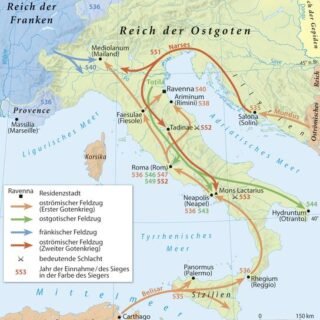
The Siege of Ariminum in 538 was a significant military engagement during the Gothic War, a prolonged conflict wherein the Byzantine Empire sought to reclaim the Italian peninsula from the Ostrogothic Kingdom....

The history of the papacy is filled with fascinating and complex narratives, including those of Catholic priests who were legally married before becoming pope. While the Catholic Church has maintained...

The United Nations Security Council (UNSC) is one of the six principal organs of the United Nations (UN) and is charged with ensuring international peace and security. Its powerful role,...

Ctesias of Cnidus, a name perhaps not as well-recognized as Herodotus or Thucydides, was nonetheless a significant figure in the annals of ancient historiography. Born around 400 BC in the...

In the ancient world, symbols carried profound meanings, often distilled from observations of nature, mythology, and the daily lives of the people. Earth and water, as primal elements, held particular...

Cyrus the Great, the founder of the Achaemenid Empire in Persia, is renowned for his conquest of the Neo-Babylonian Empire in 539 BC. This event not only marked a significant...
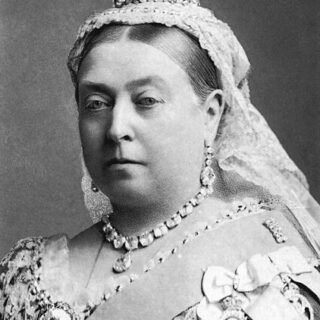
Queen Victoria, born in 1819, ascended to the throne of the United Kingdom in 1837 at the age of 18 and reigned until her death in 1901. Her long reign...
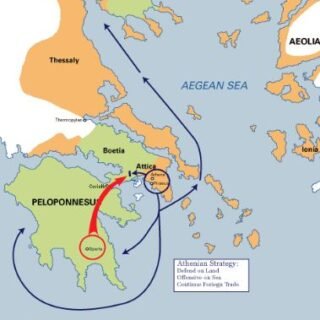
The Peloponnesian War (431-404 BC), a protracted and complex conflict between the Athenian Empire and Sparta and its allies, fundamentally transformed the ancient Greek world. This war was not just...
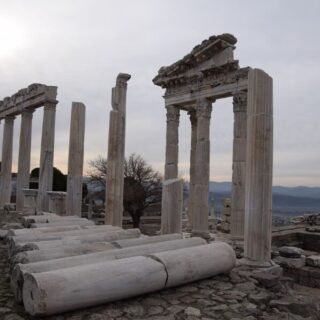
The Acropolis of Pergamon stands as a monumental testament to the artistic, architectural, and cultural achievements of the Hellenistic period. Located on a 300-meter high hill in what is now...

Michel de Nostredame, known popularly as Nostradamus, was a French astrologer, physician, and reputed seer born on December 14, 1503, in Saint-Rémy-de-Provence in the south of France. He is perhaps...

The Sack of Constantinople in 1204 by forces of the Fourth Crusade remains one of the most significant and controversial events in medieval history. This event marked a pivotal moment...

The concept of relics, considered sacred within many religious traditions, holds a particularly significant place in Christendom. These relics, often associated with Jesus Christ, the Virgin Mary, or the saints,...

The concept of militarized borders involves regions where countries deploy significant military resources to enforce their borders, often due to geopolitical conflicts, territorial disputes, or security concerns. In the article...





