Technological advances that were made during the Age of Discovery
The Age of Discovery, spanning roughly from the 15th to the 17th century, was a pivotal era in global history marked by European explorations across the world. During this period,...
Throughout history, human beings have been driven by a natural curiosity to explore the unknown. Adventurous explorers have undertaken perilous journeys, expanding our knowledge of the world, making contact with distant cultures, and often paving the way for global transformations.
Below, World History Edu embark on a journey through time, chronicling some of the most famous explorers and their groundbreaking achievements.
An Italian explorer sponsored by the Spanish monarchy, Columbus is perhaps best known for his 1492 voyage wherein he accidentally discovered the Americas while searching for a direct sea route to Asia. Although he believed he had reached India, he had, in fact, landed in the Bahamas. Columbus made four voyages to the New World, but it was his initial journey that opened the Americas to European colonization.
The Portuguese navigator and explorer, Vasco da Gama, was the first European to reach India by sea. In 1497, he embarked on a historic voyage, rounding the Cape of Good Hope at the southern tip of Africa and crossing the Indian Ocean to Calicut in India. This expedition provided the Portuguese with a direct maritime route to lucrative spice markets of Asia, breaking the Venetian monopoly on the spice trade.
A Portuguese explorer sailing for Spain, Magellan is famous for initiating the first circumnavigation of the globe. Though he died during the voyage in the Philippines, his expedition proved that the Earth was round and showcased the vastness of the Pacific Ocean. His remaining crew, led by Juan Sebastián Elcano, completed the journey, demonstrating the full scope of the planet’s oceans and continents.
The Spanish conquistador led an expedition that caused the fall of the Aztec Empire. In 1519, Cortés and his small force of men landed on the coast of modern-day Mexico and embarked on a journey to the Aztec capital, Tenochtitlán. Through a combination of alliances with native tribes, military prowess, and diseases brought from Europe, Cortés defeated the mighty Aztec empire, making way for Spanish colonization of the region.
An English sea captain and privateer, Drake was the second person to circumnavigate the globe (1577-1580). Not only was he a renowned navigator, but he also played a crucial role in the defeat of the Spanish Armada in 1588, strengthening England’s maritime dominance in the era.
A British naval captain and explorer, Cook is celebrated for his detailed Pacific explorations. He mapped lands from New Zealand to Hawaii and encountered numerous Pacific Island cultures. His voyages provided Europeans with unprecedented knowledge of the vast Pacific region.
Commissioned by President Thomas Jefferson, the Lewis and Clark expedition (1804-1806) sought to explore the newly acquired western territories of the United States after the Louisiana Purchase. Their overland journey from the Mississippi River to the Pacific Ocean provided valuable geographic and cultural information about the region.
A Scottish missionary and explorer, Livingstone spent extensive time in Africa. He sought to find the source of the Nile and, in doing so, traversed vast parts of the continent. His encounters and detailed journals offered Europeans a deeper understanding of Africa’s geography, fauna, flora, and cultures.
A Norwegian explorer, Amundsen holds the distinction of being the first to reach the South Pole in 1911. His meticulous planning and understanding of polar conditions made the perilous journey successful. Later, in 1926, he was also part of the first expedition proven to have flown over the North Pole.
A New Zealand mountaineer, Hillary, along with Tenzing Norgay, a Sherpa climber, became the first confirmed climbers to reach the summit of Mount Everest in 1953. This extraordinary feat brought them international acclaim, and the journey remains one of the most iconic in mountaineering history.
The above explorers represent just a fraction of the intrepid individuals who have ventured into the unknown. Their discoveries and interactions have had a profound impact on the course of history, bridging divides, reshaping continents, and broadening humanity’s understanding of the world. Their legacy continues to inspire curiosity, adventure, and exploration.

The Age of Discovery, spanning roughly from the 15th to the 17th century, was a pivotal era in global history marked by European explorations across the world. During this period,...

The Age of Discovery, spanning roughly from the 15th to the 17th century, was a period of extensive exploration and navigation that had profound and far-reaching consequences on the world....

Buoyed on by Pope Julius II’s elevation of the Spanish monarch as the principal agent for the evangelization of the New World, many Spanish missionaries, soldiers and explorers began sailing...

The Age of Exploration (15th-17th century), otherwise known as the Age of Discovery, was one of the most crucial periods in the history of the Europeans. It began with the...

Henry Hudson was the English navigator and explorer who devoted much of his professional career searching for a “Northeast Passage” from Europe to Asia. Along the way, he made some...
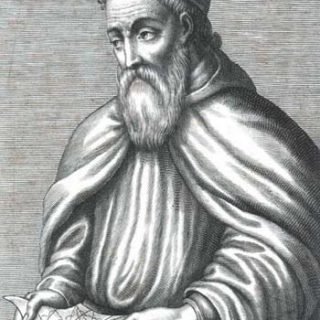
Amerigo Vespucci, a Florence, Italy-born navigator, merchant, and explorer, was one of the most renowned European explorers of the late 15th and early 16th centuries. And did you know that...

Captain Cook was a renowned navigator, cartographer and explorer in the British Royal Navy. Between 1768 and 1779, he embarked on three voyages in the Pacific Ocean. In the process,...
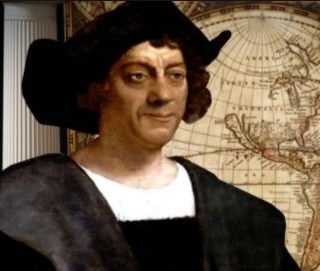
Every second Monday in October, Columbus Day, or as it is now popularly called Indigenous Peoples’ Day, evokes a lot of mixed feelings across our nation. We are torn between...

Since the dawn of time, human beings have always been very curious of the world around them. Often times, those explorations and adventures into the unknown accrued immense benefits to...

Sacagawea was a member of the Native American tribe called Lemhi Shoshone. She holds a unique place in the history of the United States because of the vital role she...

World History Edu presents everything you need to know about the Lewis and Clark Expedition that took place in the first few years of the 19th century. It includes summary,...
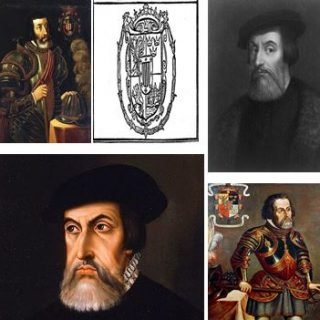
Most known for invading Mexico and defeating the Aztec Empire in 1521, Hernán Cortés was a Spanish nobleman and famous explorer who helped expand the Empire of Spain into the...





