What was the Corinthian War (395–387 BC)?
The Corinthian War (395–387 BC) was a pivotal conflict in ancient Greece that saw Sparta pitted against a coalition of city-states, including Thebes, Athens, Corinth, and Argos, with support from the Achaemenid Persian Empire. The war was driven by dissatisfaction with Spartan imperialism following the Peloponnesian War (431–404 BC), where Sparta emerged victorious but soon alienated both its former allies and rivals.
In the article below, World History Edu provides an in-depth look at the major causes and effects of the Corinthian War.
Causes of the War
Spartan Imperialism
After the Peloponnesian War, Sparta became the dominant power in Greece. However, its heavy-handed policies, including the imposition of pro-Spartan oligarchies and exploitation of its allies, bred resentment. Thebes and Corinth, former Spartan allies, felt neglected and sought to curtail Spartan influence.
Athenian Ambitions
Defeated and humbled after the Peloponnesian War, Athens sought to rebuild its power. Dissatisfaction with Sparta’s hegemony provided an opportunity for Athens to form alliances with other discontented states.
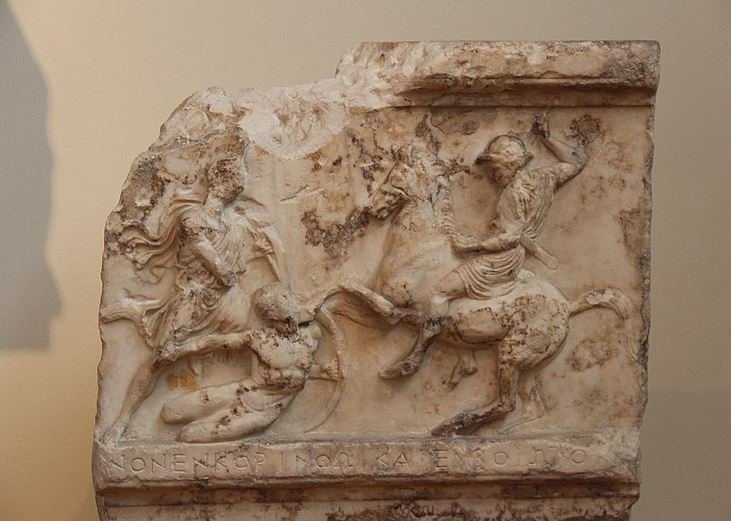
Image: An Athenian funerary stele from the Poliandreion Memorial, a military mass grave in the Demosian Sema, honoring those who fell in the Corinthian War.
Persian Involvement
Persia had played a role in the Peloponnesian War by supporting Sparta against Athens. However, Spartan expansion into Asia Minor after the war threatened Persian territories, prompting Persia to shift its support to Sparta’s Greek adversaries.
Triggering Events
The war was triggered in part by the absence of King Agesilaus II, who was campaigning in Asia Minor against Persia. With Sparta’s focus divided, Thebes, Athens, Corinth, and Argos seized the opportunity to form an alliance and challenge Spartan dominance.
Early Phases of the War
The Corinthian War began with Sparta facing a formidable coalition backed by Persian resources. The war unfolded in several distinct phases.
Spartan Victories on Land (395–394 BC)
Sparta initially demonstrated its military superiority on land. Key victories at the Battle of Nemea and the Battle of Coroneia showcased Sparta’s strength. At Nemea, Sparta decisively defeated the allied forces, asserting control over central Greece. Similarly, at Coroneia, King Agesilaus II achieved another victory, maintaining Spartan dominance in land battles.
Despite these successes, Sparta struggled to convert military victories into lasting political gains. Its harsh treatment of allies and occupied territories continued to fuel resentment, undermining its efforts to stabilize the region.
Naval Defeat at the Battle of Cnidus (394 BC)
A turning point came at sea. The Spartan fleet, under the command of Peisander, faced a coalition fleet led by the Athenian admiral Conon and the Persian satrap Pharnabazus. At the Battle of Cnidus, the Spartan navy suffered a crushing defeat, ending its ambitions to become a naval power. This loss also signaled the resurgence of Athens as a maritime force.
Mid-War Developments
The Spartan naval defeat allowed Athens to regain momentum. The Athenians launched a series of naval campaigns, recovering several islands that had been part of the Delian League, such as Lemnos, Imbros, and Scyros. These victories marked a partial revival of Athenian power and alarmed both Sparta and Persia.
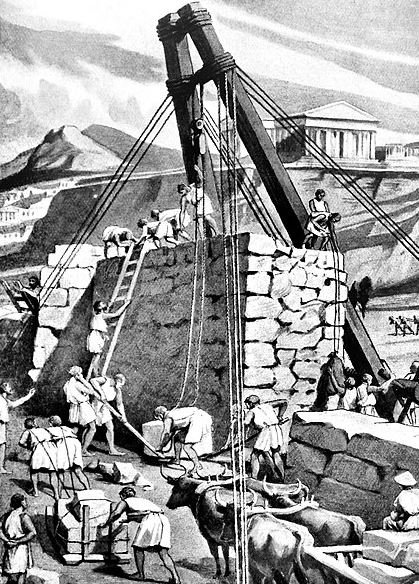
Image: An illustration depicting the reconstruction of Athens’ walls in 393 BC.
Persian Shift in Support
Athens’ resurgence prompted Persia to reconsider its alliances. Concerned about the possibility of Athens reclaiming its former empire, Persia shifted its support from the allied coalition to Sparta. This change weakened the coalition, as Persian financial and military backing had been crucial to sustaining their war effort.
Stalemate and Continued Fighting (393–387 BC)
Although Athens and its allies continued to resist, the loss of Persian support left them in a precarious position. Sparta, although weakened, retained its land-based dominance and used Persian resources to rebuild its position.
The King’s Peace (387 BC)
The war ended with the King’s Peace, also known as the Peace of Antalcidas, named after the Spartan diplomat who negotiated the treaty. The terms were dictated by the Persian King Artaxerxes II, who sought to stabilize the region and secure his influence over Greek affairs. The key provisions of the treaty were:
- Persian Control of Ionia: Persia regained control of the Ionian cities and parts of Asia Minor, solidifying its territorial claims.
- Autonomy of Greek City-States: All other Greek cities were declared autonomous, effectively preventing the formation of large leagues or alliances.
- Spartan Oversight: Sparta was granted the authority to enforce the terms of the treaty, reaffirming its position as the leading power in Greece.
The treaty marked a significant moment in Greek history, as it allowed Persia to assert influence over Greek politics while preventing any single city-state from dominating the region.
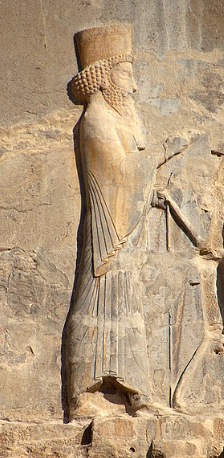
A relief of Artaxerxes II carved on his tomb at Persepolis, Iran.
Consequences of the Corinthian War
Impact on Sparta
Although Sparta emerged as the nominal enforcer of the King’s Peace, the war had drained its resources and weakened its military capabilities. The conflict exposed the limitations of Spartan imperialism and set the stage for further challenges to its dominance.
Athenian Revival
The war marked the beginning of a recovery for Athens. By reclaiming key islands and rebuilding its navy, Athens laid the groundwork for a resurgence in influence, although it never regained its former status as a dominant power.
Theban Losses
Thebes emerged as the primary loser. The Boeotian League, a key instrument of Theban power, was dissolved, and Spartan garrisons were installed in Theban cities. This humiliation fueled Theban resentment and set the stage for future conflicts.
Persian Influence
The war underscored Persia’s ability to manipulate Greek politics to its advantage. By supporting one side and then the other, Persia maintained a balance of power that secured its interests in the region.
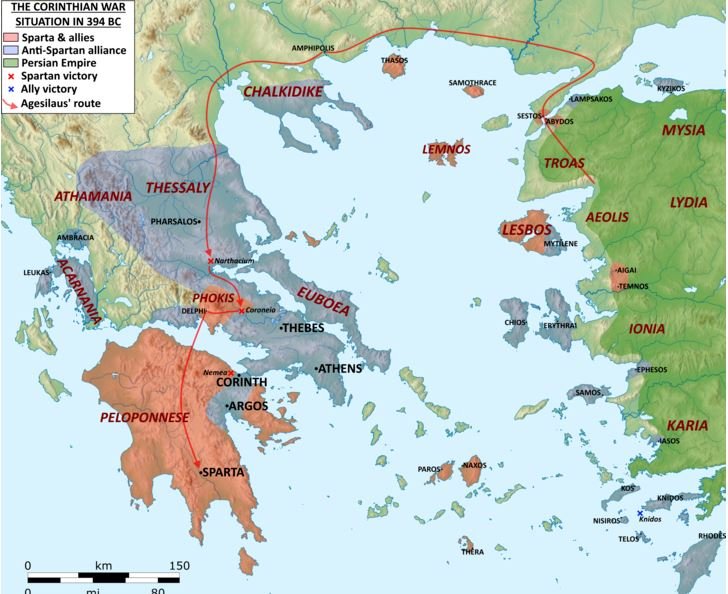
Image: A map depicting the battle region in 394 BC.
Prelude to Theban Hegemony
The dissolution of the Boeotian League and the continued tensions between Sparta and Thebes eventually led to the Boeotian War (378–371 BC). This conflict culminated in the Battle of Leuctra, where Theban forces under Epaminondas decisively defeated Sparta, ending its hegemony.
Legacy of the Corinthian War
The Corinthian War highlighted the fragility of Greek unity and the challenges of maintaining alliances in a fragmented political landscape. It demonstrated the shifting balance of power among city-states and the growing influence of external powers like Persia.
For Sparta, the war was a Pyrrhic victory. While it retained its hegemony, the cost of the conflict eroded its strength and credibility. Athens, though unable to decisively challenge Spartan dominance, began a slow recovery that would influence future Greek politics.
The war also showcased the importance of naval power in the Greek world. The Athenian resurgence at sea, despite its ultimate inability to defeat Sparta, underscored the enduring significance of maritime dominance in shaping regional power dynamics.
In broader terms, the Corinthian War underscored the instability of the Greek city-state system. With no single power able to assert lasting control, the stage was set for further conflicts and the eventual rise of Macedon as the dominant force in Greece. The war also highlighted the dangers of relying on external powers like Persia, whose interventions often served their interests rather than those of their Greek allies.
Ultimately, the Corinthian War was a critical chapter in the ongoing struggle for dominance in ancient Greece. It shaped the political and military landscape of the region and foreshadowed the dramatic changes that would come with the rise of Thebes, Macedon, and eventually Rome.
Frequently Asked Questions
What caused the Corinthian War?
The war stemmed from dissatisfaction with Spartan dominance following the Peloponnesian War. Former Spartan allies like Corinth and Thebes felt unrewarded, while Athens sought to rebuild its influence. Persian involvement further fueled tensions as it aimed to counter Spartan expansion into Asia.
Why is it called the Corinthian War?
The name derives from the city of Corinth, which served as the central base for the coalition of allies opposing Sparta.
What were the major phases of the war?
- Early Spartan successes at the battles of Nemea and Coroneia (395–394 BC).
- Spartan naval defeat at the Battle of Cnidus (394 BC).
- Athenian naval campaigns and Persian support for Sparta (393–387 BC).
What was the significance of the Battle of Cnidus?
The Battle of Cnidus marked the end of Sparta’s ambitions as a naval power. The Athenian-Persian fleet’s victory shifted naval dominance to Athens.
What role did Persia play in the war?
Persia initially supported the Greek coalition to counter Sparta but later shifted its support to Sparta when Athenian successes threatened Persian interests.
What was the King’s Peace in 387?
The King’s Peace, or Peace of Antalcidas (387 BC), ended the war. It granted Persia control of Ionia, declared all Greek cities autonomous, and gave Sparta the authority to enforce the treaty.
How did the war affect Sparta?
Although Sparta retained hegemony, its resources were depleted, and its military strength weakened. The conflict set the stage for its eventual decline.
What were the consequences for Athens and Thebes?
Athens regained some territories and naval strength, marking a partial revival. Thebes suffered losses, with the Boeotian League disbanded and Spartan garrisons occupying its cities.
What is the legacy of the Corinthian War?
The war highlighted the fragile balance of power in Greece, the limitations of Spartan dominance, and Persia’s influence in Greek politics. It also laid the groundwork for future conflicts, including the Boeotian War and the eventual rise of Macedonian power.





