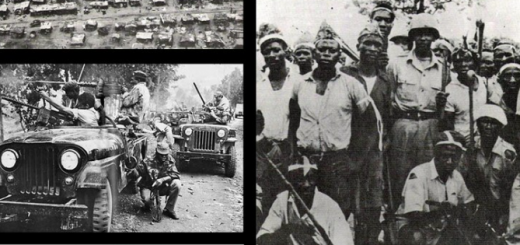
First Leaders of all African Countries
The African continent saw a wave of independence movements in the mid-20th century, culminating in many countries gaining independence from European colonial powers. The first leaders of these nations were often central to the independence movements, whether through diplomatic negotiations, armed struggle, or grassroots activism. They took on the immense responsibility of nation-building in a post-colonial context, often with diverse challenges ranging from economic development to unifying disparate ethnic groups.
From Kwame Nkrumah of Ghana to Kenneth Kaunda of Zambia, World History Edu aims to provide a detailed look at the first leaders of each African country, focusing on their role in independence, governance, and nation-building.
Algeria – Ahmed Ben Bella (1963-1965)
Ben Bella was the first president of independent Algeria, leading the country after its brutal war of independence from France. A socialist and Pan-Africanist, he pursued land reforms and nationalization policies but was overthrown in 1965 by a military coup.

Ben Bella was a revolutionary leader who helped Algeria win independence from France in 1962. He became the first president of Algeria, pursuing socialist policies, but was overthrown in 1965 by his defense minister, Houari Boumediene. Image: A 1963 picture of Ben Bella.
Angola – Agostinho Neto (1975-1979)
A key figure in Angola’s independence struggle against Portuguese rule, Neto became the country’s first president after independence in 1975. His leadership was marked by civil war and Marxist policies.
Benin (formerly Dahomey) – Hubert Maga (1960-1963)
Maga was the first president of Benin after independence from France in 1960. His administration was marked by political instability, and he was eventually deposed by a military coup in 1963.
Botswana – Seretse Khama (1966-1980)

Seretse Khama led Botswana to independence from Britain in 1966 and is remembered for transforming the country into one of Africa’s most stable and prosperous democracies.
Burkina Faso (formerly Upper Volta) – Maurice Yaméogo (1960-1966)
Yaméogo became the first president of Burkina Faso after independence from France in 1960. His rule was characterized by authoritarianism, leading to his overthrow in 1966.
Burundi – Michel Micombero (1966-1976)
Micombero came to power in a coup in 1966, becoming the first president of Burundi. His rule was marked by ethnic conflict between the Hutu and Tutsi populations.
Cape Verde – Aristides Pereira (1975-1991)
Pereira was the first president of Cape Verde after it gained independence from Portugal in 1975. He ruled as a Marxist one-party leader before stepping down when multiparty democracy was introduced in 1991.
Cameroon – Ahmadou Ahidjo (1960-1982)
Ahidjo was the first president of Cameroon after its independence from France in 1960. He ruled for 22 years, centralizing power and implementing economic development policies.
Central African Republic – David Dacko (1960-1966)
Dacko was the first president of the Central African Republic after independence from France. His presidency ended in a coup led by Jean-Bédel Bokassa.
Chad – François Tombalbaye (1960-1975)
François Tombalbaye became Chad’s first president after independence from France. His rule was marked by authoritarianism and ethnic tension, which led to his assassination during a military coup.

Comoros – Ahmed Abdallah (1975-1976)
Abdallah became the first leader of the Comoros after its independence from France in 1975. His time in office was brief, and he was deposed the following year in a coup.
Republic of Congo (Congo-Brazzaville) – Fulbert Youlou (1960-1963)
Youlou became the first president of the Republic of Congo after independence from France. His presidency ended in 1963 due to political unrest and his authoritarian style of governance.
Democratic Republic of the Congo (formerly Zaire) – Joseph Kasa-Vubu (1960-1965)
Kasa-Vubu was the first president of the Democratic Republic of the Congo after independence from Belgium in 1960. His presidency was marked by internal conflict, including the assassination of Prime Minister Patrice Lumumba.
Djibouti – Hassan Gouled Aptidon (1977-1999)
Aptidon was the first president of Djibouti after independence from France in 1977. He ruled for over 20 years, transitioning Djibouti into a one-party state before allowing limited political reforms.
Egypt – Muhammad Naguib (1953-1954)
Although Egypt is one of the world’s oldest civilizations, it officially became a republic in 1953 after a revolution that overthrew the monarchy. Naguib was its first president before being ousted by Gamal Abdel Nasser.

Equatorial Guinea – Francisco Macías Nguema (1968-1979)
Macías Nguema became the first president of Equatorial Guinea after independence from Spain in 1968. His rule became one of the most brutal dictatorships in African history before he was overthrown and executed in 1979.
Eritrea – Isaias Afwerki (1993-present)
Afwerki has been Eritrea’s only president since its independence from Ethiopia in 1993. His rule is characterized by a lack of political freedom and ongoing conflict with Ethiopia.
Eswatini (formerly Swaziland) – King Sobhuza II (1968-1982)
King Sobhuza II was Eswatini’s first leader after independence from Britain in 1968. A traditional monarch, he ruled until his death in 1982, overseeing the country’s transformation into an absolute monarchy.
Ethiopia – Emperor Haile Selassie (1930-1974)
Although Ethiopia was never formally colonized, Haile Selassie is often regarded as its first modern leader. He was a symbol of African unity and independence, but his reign ended in a coup in 1974.
Gabon – Léon M’ba (1960-1967)
M’ba was Gabon’s first president after independence from France in 1960. He ruled with an authoritarian hand until his death in 1967, after which Omar Bongo succeeded him.
Gambia – Sir Dawda Jawara (1970-1994)
Jawara became Gambia’s first president after it became a republic in 1970. He was ousted in a coup in 1994 after ruling for nearly 25 years.
Ghana – Kwame Nkrumah (1957-1966)
Dr. Kwame Nkrumah led Ghana (formerly the Gold Coast) to become the first African nation to gain independence from colonial rule in 1957. He was a Pan-Africanist and socialist, but his government was overthrown in a coup in 1966.

Nkrumah was a visionary leader and one of Africa’s most prominent Pan-Africanists. He led Ghana to independence from Britain in 1957, making it the first African country to do so. His socialist policies and strong stance on African unity made him a beloved but controversial figure. Image: A picture of Nkrumah.
Guinea – Ahmed Sékou Touré (1958-1984)
Ahmed Sékou Touré was Guinea’s first president after it became the first French colony to vote for immediate independence in 1958. A staunch nationalist and socialist, he led the country through a harsh dictatorship that lasted until his death in 1984.

Guinea-Bissau – Luís Cabral (1973-1980)
Cabral was the first president of Guinea-Bissau after it declared independence from Portugal in 1973. He was overthrown in 1980 by João Bernardo Vieira.
Ivory Coast (Côte d’Ivoire) – Félix Houphouët-Boigny (1960-1993)
Houphouët-Boigny was the first president of Ivory Coast after independence from France in 1960. He governed for over three decades, maintaining close ties with France and overseeing a relatively stable economy.
Kenya – Jomo Kenyatta (1964-1978)
Jomo Kenyatta was a key figure in Kenya’s fight for independence from Britain, becoming the country’s first president in 1964. Known as the “Father of the Nation,” his leadership focused on consolidating power and fostering national unity, though accusations of favoritism toward his Kikuyu ethnic group emerged.

Lesotho – King Moshoeshoe II (1966-1990)
Moshoeshoe II became Lesotho’s first leader after independence from Britain in 1966. As a constitutional monarch, his powers were limited, and his reign was marked by political instability.
Liberia – Joseph Jenkins Roberts (1848-1856)
Roberts was Liberia’s first president after it declared independence in 1847. A former slave from the United States, he helped establish Liberia as a haven for freed slaves.
Libya – King Idris I (1951-1969)
Idris I was the first and only king of Libya after it gained independence from Italy in 1951. He ruled until 1969 when he was overthrown by Muammar Gaddafi in a military coup.
Madagascar – Philibert Tsiranana (1960-1972)
Tsiranana became Madagascar’s first president after independence from France in 1960. His administration was marked by political unrest, leading to his resignation in 1972.
Malawi – Hastings Banda (1964-1994)
Hastings Banda was the first president of Malawi after its independence from Britain in 1964. His early reputation as a nationalist leader gave way to authoritarianism, and he remained in power for 30 years before being removed in the country’s first democratic elections.

Mali – Modibo Keita (1960-1968)
Modibo Keita was the first president of Mali after it gained independence from France in 1960. A committed socialist, he aligned Mali with the Eastern Bloc, but his policies eventually led to economic decline, and he was overthrown in a coup in 1968.

Mauritania – Moktar Ould Daddah (1960-1978)
Daddah became Mauritania’s first president after independence from France. His presidency ended in a military coup in 1978 due to economic problems and military challenges.
Mauritius – Seewoosagur Ramgoolam (1968-1982)
Ramgoolam was the first prime minister of Mauritius after independence from Britain in 1968. He is known as the “Father of the Nation” and played a key role in the country’s democratic development.
Morocco – King Mohammed V (1957-1961)
Mohammed V was the first monarch of independent Morocco after negotiating the end of French and Spanish colonial rule. He is revered as the founder of modern Morocco.
Mozambique – Samora Machel (1975-1986)
Samora Machel was a revolutionary leader who led Mozambique to independence from Portugal in 1975. As the country’s first president, he pursued Marxist policies, but his rule was overshadowed by civil war and conflict with South Africa.

Machel was a revolutionary leader who became Mozambique’s first president after its independence from Portugal in 1975. His Marxist policies and leadership during the civil war defined his presidency. Image: A 1985 picture of Machel.
Namibia – Sam Nujoma (1990-2005)
Nujoma was the first president of Namibia after it gained independence from South African rule in 1990. He led the country for 15 years, overseeing its transition to a peaceful and stable nation.

Niger – Hamani Diori (1960-1974)
Diori was Niger’s first president after independence from France in 1960. He was overthrown in a military coup in 1974 due to economic problems and drought.
Nigeria – Nnamdi Azikiwe (1963-1966)
Nnamdi Azikiwe, often referred to as “Zik,” was instrumental in Nigeria’s independence from Britain in 1960. He became the first president in 1963 when the country transitioned into a republic. His tenure was marked by attempts to unite the country’s diverse ethnic groups, though political instability and civil war followed shortly after.

Rwanda – Grégoire Kayibanda (1962-1973)
Kayibanda became Rwanda’s first president after independence from Belgium in 1962. His presidency ended in a coup in 1973, which brought Juvénal Habyarimana to power.
Sao Tome and Principe – Manuel Pinto da Costa (1975-1991)
Pinto da Costa became Sao Tome and Principe’s first president after independence from Portugal in 1975. His socialist policies dominated his administration until the introduction of multiparty democracy in 1991.
Senegal – Léopold Sédar Senghor (1960-1980)
Senghor was a poet and philosopher who became Senegal’s first president after independence from France in 1960. He voluntarily stepped down in 1980, a rare act of political succession in Africa at the time.
Seychelles – James Mancham (1976-1977)
Mancham became the first president of Seychelles after its independence from Britain in 1976. He was deposed in a coup by his prime minister, France-Albert René, in 1977.
Sierra Leone – Sir Milton Margai (1961-1964)
Margai was Sierra Leone’s first prime minister after independence from Britain in 1961. He is remembered for his leadership in guiding the country to peaceful self-rule.
Somalia – Aden Abdullah Osman Daar (1960-1967)
Daar became Somalia’s first president after independence from Italy and Britain in 1960. His administration is notable for the peaceful transition of power after he lost the 1967 elections.
South Africa – Charles Robberts Swart (1961-1967)
Swart became the first president of South Africa when it declared itself a republic in 1961. However, executive power remained in the hands of the prime minister under the apartheid regime.
South Sudan – Salva Kiir Mayardit (2011-present)
Kiir has been South Sudan’s first president since its independence from Sudan in 2011. His rule has been marked by internal conflict and efforts to stabilize the new nation.
Sudan – Ismail al-Azhari (1956-1958)
Al-Azhari became Sudan’s first prime minister after its independence from Britain and Egypt in 1956. His government was overthrown in 1958 in a military coup.
Tanzania – Julius Nyerere (1964-1985)
Julius Nyerere is celebrated for his socialist policies and efforts to build a unified Tanzanian identity. He led Tanganyika to independence in 1961 and became the first president of the united Republic of Tanzania after the merger with Zanzibar in 1964.

Togo – Sylvanus Olympio (1960-1963)
Olympio became Togo’s first president after independence from France in 1960. He was assassinated in 1963 during a military coup.
Tunisia – Habib Bourguiba (1957-1987)
A central figure in Tunisia’s independence movement, Habib Bourguiba became the first president in 1957 after gaining independence from France. Known for his strong secular stance and policies aimed at modernization, he ruled for 30 years before being deposed in a coup.

Uganda – Milton Obote (1966-1971, 1980-1985)
Milton Obote (serving from 1966-1971, and 1980-1985) was Uganda’s first prime minister and later president after its independence from Britain in 1962. His time in office was marred by political instability and ethnic tensions, culminating in his overthrow by Idi Amin in 1971. He returned to power briefly in the 1980s before being ousted again.

Zambia – Kenneth Kaunda (1964-1991)
Kenneth Kaunda was Zambia’s first president after it gained independence from Britain in 1964. He was known for his socialist policies and leadership in the Non-Aligned Movement, but his tenure ended in 1991 after the country’s first multi-party elections.

Zimbabwe – Canaan Banana (1980-1987)
Banana became Zimbabwe’s first president after it gained independence from Britain in 1980. However, real power was held by Prime Minister Robert Mugabe, who later became president.
Conclusion
The first leaders of African nations played crucial roles in shaping the political and social landscapes of their countries. From revolutionary leaders who fought for independence to those who maintained ties with former colonial powers, their legacies vary widely.
Some were hailed as national heroes who fostered unity and economic development, while others became authoritarian figures who struggled to maintain stability in the face of internal and external challenges.
Each African country’s journey to independence and early leadership reflects its unique history, culture, and geopolitical realities, making this continent’s post-colonial history both rich and complex.