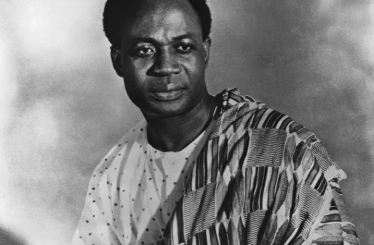
Paul Ahyi: The Renowned Artist Who Designed Togo’s Flag
The designer of Togo’s national flag was Paul Ahyi, a renowned artist, architect, and sculptor from Togo. He created the flag in 1960 when Togo gained its independence from France. Ahyi’s work on the flag is a reflection of his broader artistic philosophy and his deep connection to African identity and symbolism.
To understand the significance of Ahyi’s contribution to the design of the Togolese flag, it’s essential to look at his life, artistic career, and the symbolic elements he incorporated into the flag.

Paul Ahyi’s monumental outdoor sculptures adorn spaces in Togo and worldwide, while his versatile works include jewelry, pottery, ceramics, tapestries, and interior design pieces. Image: Flag of Togo
Early Life and Background
Paul Ahyi was born on January 15, 1930, in Togo, which at that time was still a French colony. Growing up during this period of colonial rule had a profound impact on him, especially as he became increasingly aware of the cultural and political struggles for independence across Africa.
Ahyi’s early exposure to both traditional African art and European influences shaped his artistic sensibilities. He was trained in art at the École des Beaux-Arts in Paris, where he honed his skills in painting, sculpture, and architecture. This blend of African roots and Western education gave Ahyi a unique perspective, enabling him to merge traditional and modern elements in his work.
Ahyi’s career spanned various artistic mediums, but he is best known for his public art, particularly monumental sculptures, murals, and architectural designs. His work is infused with African symbolism and cultural motifs, reflecting the rich heritage of his homeland. He also had a deep interest in promoting African identity through art, which made him a key figure in the post-colonial art scene.
His works are not just confined to Togo; Ahyi’s influence spread across the African continent and internationally. He was recognized globally for his contributions to art, and in 2009, UNESCO named him a “UNESCO Artist for Peace” in recognition of his efforts to use art to promote peace and cultural understanding.
The Design of Togo’s Flag
In 1960, when Togo was preparing for independence, the new nation needed a flag that would represent its identity, aspirations, and values. Ahyi was selected to design this symbol of national pride. His design for the Togolese flag is simple yet deeply symbolic, capturing the essence of the country’s history, struggles, and hopes for the future.
The flag consists of five horizontal stripes of green and yellow, with a red square in the top-left corner that contains a white star. The design is influenced by the Pan-African colors (red, yellow, and green), which are widely used in the flags of African nations that gained independence in the mid-20th century. These colors symbolize unity and solidarity among African countries, representing a shared history of colonization and a collective desire for freedom.
- Green Stripes: The two green stripes represent Togo’s rich agricultural land and natural resources. Agriculture has always been a crucial part of the Togolese economy, and green symbolizes fertility, hope, and the connection between the land and the people.
- Yellow Stripes: The three yellow stripes signify the wealth of the country, particularly its mineral resources, and the hard work of its people. Yellow is often associated with prosperity and energy, emphasizing the potential for growth and development in the newly independent nation.
- Red Square: The red in the flag stands for the bloodshed and sacrifices made by Togolese people in their struggle for independence. It serves as a reminder of the difficult path to freedom and the courage of those who fought for it.
- White Star: The single white star in the red square symbolizes peace, purity, and the unity of the Togolese people. It reflects the country’s aspirations for harmony, both internally and in its relations with other nations. The white star also represents hope for a bright future and the guiding light of independence.
Symbolism and Meaning
Ahyi’s flag design is not just a piece of graphic art; it is a visual encapsulation of Togo’s national narrative. The choice of colors and symbols in the flag reflects both the nation’s historical experiences and its future aspirations. Through the Pan-African colors, the flag ties Togo to the broader African continent, emphasizing unity among African nations. This was particularly important in the 1960s, as many African countries were emerging from colonial rule and forming new identities as independent states.
The green and yellow stripes underline the importance of both natural resources and human labor in the nation’s development. Agriculture and mining are central to Togo’s economy, and Ahyi’s use of these colors is a tribute to the country’s potential for growth. At the same time, the red square and white star draw attention to the sacrifices made in the pursuit of independence and the nation’s hopes for a peaceful and prosperous future.
Ahyi’s design is emblematic of his broader artistic philosophy. He believed in creating art that was deeply rooted in African traditions and values while also being forward-looking and innovative. His work on the Togolese flag reflects this balance of tradition and modernity. The flag is rich in cultural symbolism, yet its clean and simple design makes it a powerful and timeless national emblem.

Image: A map showing Togo’s 5 major regions including Kara.
Ahyi’s Legacy
Paul Ahyi’s design of the Togolese flag is just one aspect of his remarkable artistic legacy. Throughout his career, Ahyi created numerous works of public art, from sculptures and murals to buildings and monuments. His work can be found not only in Togo but across Africa and beyond. He was passionate about using art to express African identity and to inspire future generations to take pride in their heritage.
In addition to his artistic work, Ahyi was also a teacher and mentor to younger artists. He played a significant role in shaping the development of modern African art and was a strong advocate for the role of art in nation-building. His influence on the art world, particularly in West Africa, cannot be overstated. Ahyi’s contributions helped to redefine African art in the post-colonial era, blending traditional African aesthetics with modern techniques and themes.
Ahyi’s work extended beyond art and design; he was also involved in architecture and urban planning. His vision for a modern Africa included not only beautiful public spaces but also functional, people-centered urban environments. He believed that art and architecture could improve the quality of life for ordinary people and contribute to the social and cultural development of African societies.
Paul Ahyi passed away on January 4, 2010, but his legacy lives on through his works, including the Togolese flag. The flag remains a powerful symbol of the nation’s identity, representing both its struggles and its hopes. Ahyi’s design continues to fly high, a testament to his artistic genius and his deep love for his country.
Questions and Answers about Paul Ahyi

When and where was Paul Ahyi born?
Paul Ahyi was born on January 15, 1930, in Abomey, French Dahomey (now Benin), to Togolese parents.
Where did Ahyi receive his early education?
Ahyi attended school in Dakar, Senegal, from 1949 to 1952.
He also studied at the Fine Art School of Lyon in 1952 and later graduated from the École nationale supérieure des Beaux-Arts in Paris in 1959.
What significant role did Paul Ahyi play in Togo’s independence?
Paul Ahyi was commissioned to design Togo’s national flag, which was unveiled in 1960 when the country gained independence from France.
What do the colors and symbols on Togo’s flag represent?
The red symbolizes bloodshed in the independence struggle, yellow represents the country’s fertile soil, green symbolizes Togo’s forests and agriculture, and the white star stands for light, intelligence, and peace.
What national monument did Paul Ahyi help design?
Ahyi contributed to the construction of the Independence Monument in Lomé, a key national symbol of Togo.
Where have Paul Ahyi’s artworks been displayed internationally?
Ahyi’s artworks, including reliefs and sculptures, have been displayed at the United Nations in New York, as well as in Canada, South Korea, Italy, Japan, and France.
What are the titles of some books written by Paul Ahyi?
Paul Ahyi authored several books, including Togo, mon cœur saigne and La réflexion sur l’art et la culture.
What prestigious awards and honors did Paul Ahyi receive during his career?
Ahyi received several awards, including the Médaille d’Or des Métiers d’Arts in Paris (1961), Officer of the Ordre du Mono in Togo (1970), and Commander of the Ordre des Palmes Académiques and Officer of the Ordre des Arts et des Lettres (1985).
What recognition did Paul Ahyi receive from UNESCO in 2009?
UNESCO designated Paul Ahyi as an Artist for Peace in 2009 for promoting UNESCO’s ideals through his artistic activities.
When and where did Paul Ahyi pass away?
Paul Ahyi passed away on January 4, 2010, in Lomé, Togo, at the age of 79.