Manuel II: The Final King of Portugal
Manuel II, known as “The Patriot” or “The Unfortunate,” holds the distinction of being the last king of Portugal. His life, reign, and the challenges he faced encapsulate a pivotal moment in Portuguese history, marked by upheaval, reform attempts, and the ultimate fall of the monarchy.
Early Life and Unexpected Ascension
Born on November 15, 1889, in the royal palace of Belém, Lisbon, Manuel Maria Filipe Carlos Amélio Luís Miguel Rafael Gabriel Gonzaga Xavier Francisco de Assis Eugénio de Bragança e Saxe-Coburgo-Gotha was the second son of King Carlos I and Queen Amélie of Orléans. As the younger son, Manuel was not initially destined for the throne. His older brother, Prince Luís Filipe, was the heir apparent, and Manuel’s upbringing was less politically driven compared to that of his elder sibling.
Manuel’s early education was typical of European royalty, with an emphasis on humanities, languages, and statecraft. He was trained in both intellectual and physical disciplines, developing skills in literature, history, fencing, and navigation. These educational pursuits were intended to prepare him for a supportive role within the monarchy and the state.
The course of Manuel’s life changed dramatically on February 1, 1908, when his father, King Carlos I, and his brother, Prince Luís Filipe, were assassinated by republican sympathizers in the Lisbon Regicide. The attack took place at the Square of Commerce (Terreiro do Paço) as the royal family returned from the Ducal Palace of Vila Viçosa. Manuel, then 18 years old, survived the attack but was suddenly thrust into the role of king. He ascended to the throne as Manuel II, facing a nation rife with political tension and a burgeoning republican movement.

Image: Manuel II in 1908.
Reign Amidst Turmoil
Manuel II’s reign began under dire circumstances. The assassination of his father and brother had deeply shaken the monarchy and exposed the growing power of republican sentiment in Portugal. The country was already suffering from economic hardships, political fragmentation, and social unrest, making the young king’s position particularly challenging.
Determined to restore stability, Manuel II sought to bridge divides within the political spectrum. He dismissed the controversial prime minister João Franco, whose authoritarian measures had exacerbated tensions, and appointed moderate leaders in an attempt to calm public discontent. Manuel also reached out to republican leaders, signaling a willingness to pursue dialogue and reform.
Despite these efforts, the challenges facing the monarchy were formidable. The republican movement had gained significant momentum, drawing support from various factions, including intellectuals, military officers, and the urban working class. Manuel’s attempts to modernize governance and adapt to changing political realities proved insufficient in quelling calls for a republic.
The 5 October 1910 Revolution
The tipping point for Manuel II’s reign came in 1910. Growing discontent, coupled with ongoing economic issues and political divisions, culminated in the 5 October 1910 revolution. This military-led uprising was supported by civilian republicans and resulted in a relatively swift end to the monarchy.
On the morning of October 5, Manuel II and his family realized that maintaining control was no longer viable. With a heavy heart, the young king made the decision to leave Portugal to prevent further bloodshed. He and his mother, Queen Amélie, departed from the royal palace and took refuge aboard a British naval vessel anchored in the Tagus River. From there, they traveled to England, where Manuel would spend the rest of his life in exile.
The revolution marked the end of the Portuguese monarchy and the beginning of the First Portuguese Republic. The new government sought to establish a more democratic and secular state, ending centuries of Braganza rule.
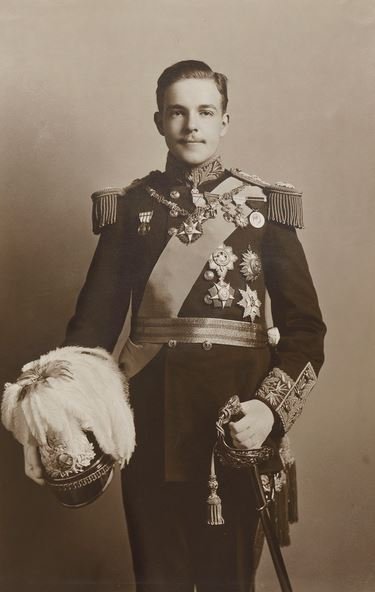
Image: A picture of Manuel II during the late 1900s
Life in Exile
Manuel II settled in Twickenham, Middlesex, in England, where he adapted to life outside of the political sphere. Despite the abrupt end to his reign, Manuel remained deeply committed to Portugal and its well-being. He devoted much of his time to scholarly and cultural pursuits, becoming known for his contributions to Portuguese history and literature.
Manuel’s residence in England was marked by a sense of patriotism and a desire to maintain a connection with his homeland. He built a considerable library of rare books and manuscripts related to Portuguese history and authored works that reflected his dedication to preserving the cultural heritage of his country. He also engaged in charitable activities, supporting Portuguese communities and fostering goodwill.
While in exile, Manuel married Princess Augusta Victoria of Hohenzollern-Sigmaringen in 1913. The couple had no children, and Manuel’s lack of direct heirs meant that his death would symbolize the end of the Braganza line as a ruling dynasty.
Legacy and Historical Significance
Manuel II passed away on July 2, 1932, at the age of 42, succumbing to complications from a throat infection. His funeral in England was attended by members of European royalty and exiled Portuguese nobility. Although he spent his final years away from the political stage, Manuel remained a respected figure for his quiet dignity and dedication to his heritage.
In Portugal, the memory of Manuel II is intertwined with the broader narrative of the fall of the monarchy and the tumultuous period that led to the establishment of the First Republic. Historians often reflect on his reign as a time marked by efforts to modernize and stabilize the monarchy, even as republicanism gained irreversible traction. His willingness to engage in dialogue and pursue moderate reforms has earned him a reputation as a well-meaning, albeit ultimately ill-fated, monarch.
Manuel’s legacy is complex; he is remembered both for the tragic circumstances of his ascension and for his earnest attempts to serve a nation facing profound change. His reign, although brief, symbolizes the end of an era—a poignant reminder of how rapid political shifts can redefine a nation’s identity. The story of Manuel II serves as a testament to the challenges of leadership during periods of crisis and the profound impact that historical events can have on personal and national destinies.
Frequently Asked Questions
Under what circumstances did Manuel II ascend to the throne?
He became king after the assassination of his father, King Carlos I, and his elder brother, Luís Filipe, on February 1, 1908.
What title did Manuel hold before becoming king?
Before ascending to the throne, Manuel held the title of Duke of Beja.
What challenges did Manuel II face upon becoming king?
Manuel inherited a nation facing severe economic difficulties, public discontent, and strong republican opposition.
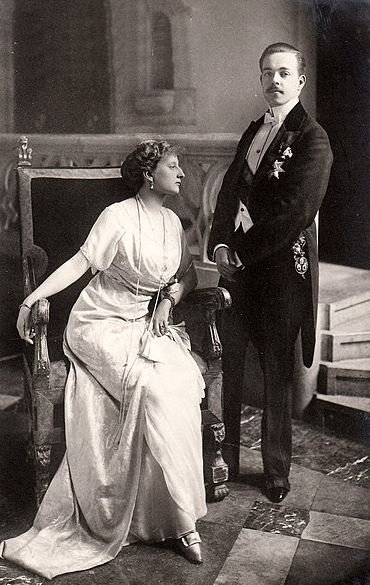
Image: A picture of Manuel II and Augusta Victoria, his wife.
How did Manuel II attempt to address the political issues in Portugal?
He tried to stabilize the situation by appointing moderate and reform-minded government figures and implementing conciliatory policies.
What event led to the end of Manuel II’s reign?
The 5 October 1910 revolution, a military and civilian uprising, dismantled the monarchy and forced Manuel II to flee Portugal.
Where did Manuel II live after going into exile?
He lived in Twickenham, Middlesex, England, for the rest of his life.
What activities did Manuel II pursue while in exile?
Manuel remained connected to Portugal, engaged in charitable activities, and dedicated himself to the preservation of Portuguese culture and history.
When did Dom Manuel II die, and what was significant about his death?
He died on July 2, 1932, at the age of 42. His death marked the end of the Braganza dynasty as a ruling line in Portugal.
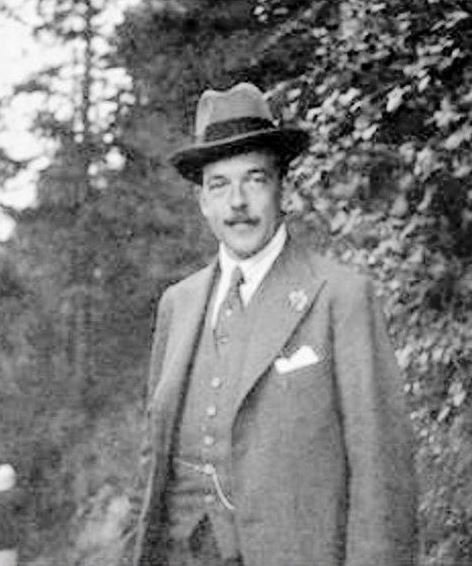
Image: One of the last photos of Manuel II. This picture was taken a few hours before his death.
What legacy did Manuel II leave behind?
His legacy is seen as a poignant chapter in Portuguese history, symbolizing the end of the monarchy and the challenges faced during his short reign, leading to the First Portuguese Republic.





