Greek sculpture is among the most celebrated and influential artistic traditions in Western art history. The sculptors of ancient Greece achieved an unprecedented mastery in capturing the human form, emotion, and movement in marble and bronze.
Many have withstood time, showcasing fine details, despite centuries of decay. Notable works include the Venus de Milo, the Pergamon Altar, and Laocoon and Sons, highlighting the craftsmanship of the Greeks. Today, these sculptures are preserved in museums worldwide, offering insight into Ancient Greece’s artistic mastery and cultural significance.
These works have inspired countless generations of artists and left a lasting impact on the cultural and artistic landscape of the Western world.
In the article below, World History Edu presents some of the most famous Greek statues and their significance, focusing on their historical context, artistry, and cultural impact.
Venus de Milo (Aphrodite of Milos)

Created by Alexandros of Antioch, Venus de Milo depicts Aphrodite, the goddess of love and beauty. Discovered in 1820 on Milos, it’s now displayed at the Louvre.
The Venus de Milo is perhaps one of the most recognizable and celebrated statues from ancient Greece. Created around 150–125 BCE, it is believed to represent Aphrodite, the Greek goddess of love and beauty. The statue was discovered on the island of Milos in 1820 by a peasant and has since become one of the Louvre Museum’s most famous attractions.
Significance:
- Artistic Excellence: The Venus de Milo exemplifies the Hellenistic period’s ideals of beauty and grace. The sculptor skillfully captured the elegance and sensuality of Aphrodite’s figure, emphasizing smooth contours and lifelike posture.
- Hellenistic Style: Unlike earlier periods of Greek sculpture, the Hellenistic era focused on realism, drama, and movement, reflecting more emotional depth. Venus de Milo displays a perfect blend of classical balance and Hellenistic fluidity, making it a transition piece between the classical idealism and the expressive realism of the Hellenistic period.
- Cultural Symbol: The statue has become a symbol of classical beauty and has been associated with the Western ideal of feminine beauty. It has influenced countless depictions of the female form in Western art.
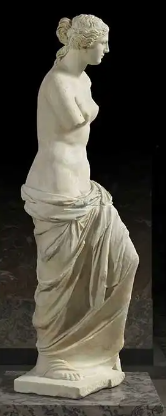
The statue was found by a Greek farmer called Yorgos Kentrotas in April 1820 on the Greek island of Milos (also known as Melos) in the Aegean Sea. Despite centuries of wear, ancient Greek statues like Venus de Milo still showcase intricate details, offering a glimpse into the ancient world.
The Discobolus (Discus Thrower)
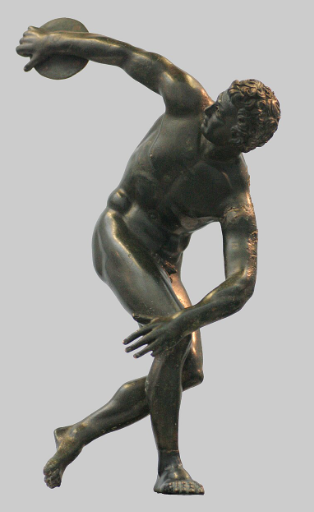
This statue of a discus thrower, originally created by Myron around 460 B.C., is known through replicas, as the original is lost. The most famous copy is displayed at the Museum of Rome. Image: A Roman bronze reproduction of Myron’s Discobolus, dating to the 2nd century AD, is housed at Glyptothek, Munich.
Created by the sculptor Myron around 450 BCE, The Discobolus is a bronze statue of an athlete in the midst of throwing a discus. While the original bronze sculpture has been lost, several Roman copies in marble have survived. This statue is one of the most iconic representations of ancient Greek athleticism and physical perfection.
Significance:
- Classical Ideal of the Body: The Discobolus is a prime example of the Greek fascination with the human body and its idealized forms. The statue captures a moment of intense concentration and action, yet the figure remains poised and controlled. This reflects the Greek philosophical ideal of sophrosyne, or self-control and balance.
- Contrapposto: The sculpture is celebrated for its use of contrapposto (the naturalistic shifting of weight in the body), which conveys motion and a dynamic sense of energy. This innovation in depicting the human figure influenced the development of Western art, particularly during the Renaissance.
- Physical Prowess: Ancient Greeks revered athletic achievement, and The Discobolus represents the height of athletic perfection. It immortalizes the Greek ideal of arete, or excellence, which applied to both the mind and the body.
The Doryphoros (Spear Bearer)
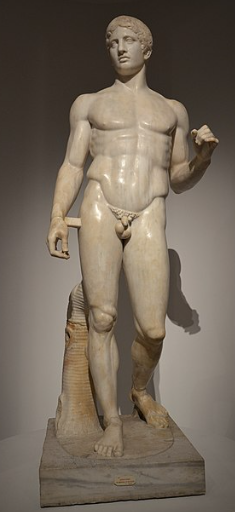
The Doryphoros (“Spear-Bearer”) by Polykleitos, a renowned Greek sculpture from 440 BC, depicts a muscular warrior and is known through Roman marble copies. Image: A well-preserved Roman copy of Polykleitos’ Doryphoros, housed in Naples National Archaeological Museum, stands 2.12 meters tall.
The Doryphoros, sculpted by Polykleitos around 440 BCE, is another canonical example of Greek classical sculpture. Originally cast in bronze, it depicts a young, muscular warrior carrying a spear. Like The Discobolus, the original sculpture has been lost, but several marble copies from the Roman era survive.
Significance:
- Polykleitos’ Canon: Polykleitos, the sculptor, was a pioneer in the theory of proportion in art. The Doryphoros is the embodiment of his treatise, known as The Canon, which aimed to establish an ideal ratio for the human body. The proportions in the statue are meticulously calculated to create a harmonious and balanced figure.
- Symmetry and Balance: The sculpture is famous for its perfect balance and harmony, achieved through a combination of contrapposto and proportional accuracy. Polykleitos believed that beauty was a result of symmetry and proportion, and The Doryphoros became a standard for subsequent depictions of the human body.
- Idealized Masculinity: The Doryphoros represents the Greek ideal of manliness, or andreia, reflecting physical strength, discipline, and virtue. The statue exudes an aura of calm authority and mastery, qualities highly prized in ancient Greek society.
The Parthenon Sculptures (Elgin Marbles)
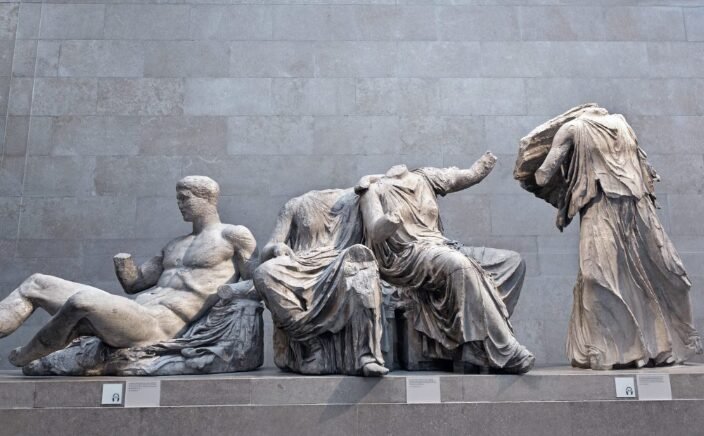
The Parthenon Marbles, crafted by Pheidias between 447-438 B.C., depict Athena, Helios, Dionysus, and other mythological figures. Controversially, they were removed from the Parthenon between 1801-1812 and now reside in the British Museum.
The sculptures that once adorned the Parthenon, the temple dedicated to Athena on the Acropolis of Athens, are among the most important examples of ancient Greek art. These marble sculptures were created between 447 and 432 BCE during the height of Athens’ power and artistic achievement under Pericles. They include friezes, metopes, and pediment statues that depict mythological scenes, religious rituals, and historical events.
Significance:
- High Classical Period: The Parthenon sculptures represent the pinnacle of the High Classical style, characterized by idealized naturalism, precision in detail, and a balance between motion and stillness. The friezes, which depict a religious procession, and the metopes, which show mythological battles, capture the energy and dynamism of the figures while maintaining an idealized beauty.
- Religious and Civic Importance: The Parthenon was not only a religious temple but also a symbol of Athenian democracy and imperial power. The sculptures reflect both the divine protection of Athens by Athena and the civic pride of the Athenians in their city-state.
- Cultural Heritage Controversy: The Elgin Marbles (a portion of the Parthenon sculptures) were removed from Greece by Lord Elgin in the early 19th century and are now housed in the British Museum. This has sparked ongoing debates about cultural heritage and the repatriation of ancient artifacts, with Greece requesting their return.
Winged Victory of Samothrace (Nike of Samothrace)

Known as Nike of Samothrace, this damaged statue of the goddess of victory remains stunning, with her wings extending powerfully. Discovered in 1863, it’s displayed at the Louvre today. Image: The Winged Victory of Samothrace
The Winged Victory of Samothrace, also known as Nike of Samothrace, is a masterpiece of Hellenistic sculpture. Created around 190 BCE, the statue represents the Greek goddess Nike (Victory) and was found on the island of Samothrace in 1863. It is now displayed in the Louvre Museum.
Significance:
- Dynamic Motion: The Winged Victory is celebrated for its dramatic sense of movement and energy. The statue depicts Nike descending onto the prow of a ship, her wings outstretched and her robes billowing in the wind. This portrayal of motion was a hallmark of Hellenistic art, which focused on capturing the intensity of action and emotion.
- Symbol of Victory: The statue was likely commissioned to commemorate a naval victory, and Nike’s triumphant pose embodies the Greek ideal of martial success and glory. The sculpture’s placement on a ship’s prow underscores the importance of naval power in the Hellenistic world.
- Hellenistic Art: The Winged Victory is a prime example of the artistic innovations of the Hellenistic period, which saw a shift toward more expressive and dramatic representations of the human figure. It reflects the era’s fascination with movement, texture, and the interplay of light and shadow on surfaces.
Hellenistic Kingdoms: What were they and what were some of their notable achievements?
Hermes and the Infant Dionysus
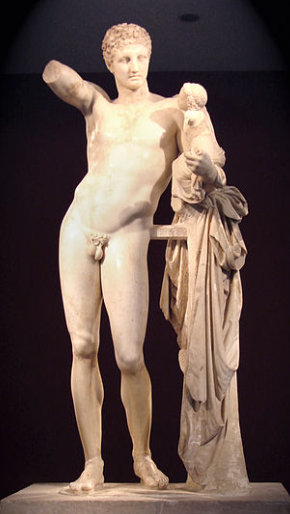
Carved from Parian marble, this statue by Praxiteles (circa 400 BCE) depicts Hermes carrying baby Dionysus. Discovered in 1877, it remains largely intact despite missing some arms. Image: Greek god Hermes bearing the infant Dionysus, by Praxiteles, Archaeological Museum of Olympia
Attributed to the sculptor Praxiteles and created around 400 BCE, Hermes and the Infant Dionysus is one of the few surviving original works of classical Greek sculpture. The statue shows the god Hermes holding the infant Dionysus, who would later become the god of wine and ecstasy. The sculpture was found in the Temple of Hera at Olympia and is now housed in the Archaeological Museum of Olympia.
Significance:
- Praxiteles’ Style: Praxiteles was known for his ability to create soft, sensuous figures with a naturalistic grace. Hermes and the Infant Dionysus is a prime example of his style, with its delicate rendering of the human form, smooth textures, and subtle use of contrapposto. Praxiteles’ work marked a departure from the more rigid and idealized forms of earlier classical sculpture, introducing a greater sense of warmth and humanity.
- Emotion and Tenderness: Unlike many Greek statues that depict heroic or athletic subjects, Hermes and the Infant Dionysus captures a moment of tenderness and intimacy. The interaction between Hermes and the infant reflects a softer side of Greek mythological figures, emphasizing emotional connection rather than physical prowess.
- Humanization of the Gods: The statue represents a shift in Greek religious art, where gods and goddesses were portrayed in more humanized, relatable forms. This humanization of the divine reflects the evolving relationship between humans and their gods in Greek thought, moving away from distant, impassive deities toward more approachable and emotional figures.
Laocoön and His Sons
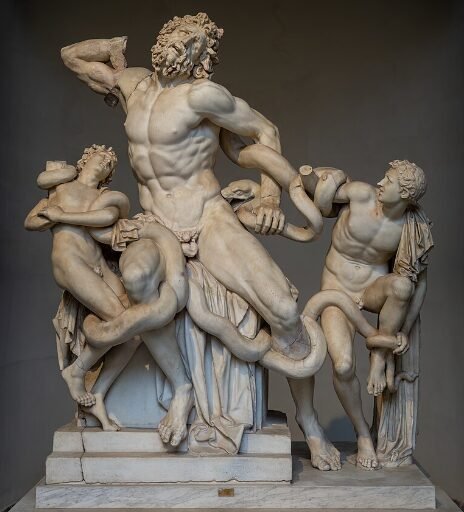
Made around 200 B.C., the Laocoon statue, now displayed at the Vatican Museum, depicts Laocoon and his twin sons being attacked by sea serpents. Scholars agree he was a priest, though his story remains debated.
The Laocoön and His Sons is one of the most dramatic and emotionally intense sculptures from ancient Greece. Created around the 2nd century BCE and attributed to three sculptors from Rhodes—Agesander, Athenodoros, and Polydorus—the statue depicts the Trojan priest Laocoön and his sons being attacked by sea serpents sent by the gods as punishment for warning the Trojans against bringing the Greek wooden horse into their city. The statue was discovered in Rome in 1506 and is now in the Vatican Museums.
Significance:
- Hellenistic Drama: The Laocoön sculpture is a quintessential example of Hellenistic art’s emphasis on emotion, movement, and theatricality. The contorted figures, anguished expressions, and serpentine forms of the sea creatures create a sense of intense struggle and suffering, drawing the viewer into the narrative.
- Tragic Heroism: Laocoön’s futile attempt to save his sons from the serpents symbolizes the tragic heroism that was a recurring theme in Greek mythology and drama. The sculpture captures the tension between human will and divine intervention, a central concept in Greek thought.
- Artistic Influence: The Laocoön had a profound impact on Renaissance and Baroque artists, particularly Michelangelo, who was inspired by the statue’s powerful depiction of the human body in motion. Its influence can be seen in later works that explore themes of suffering, emotion, and the human condition.
Trojan War: the 10-year-long, bloody war between Troy and Greece
Kritios Boy
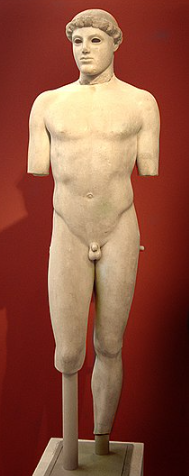
Created around 480 B.C. by KIritios, this statue marks a shift from rigid to more fluid, emotional styles in Ancient Greek art, with the boy’s relaxed, natural posture reflecting this evolution. Image: Kritios Boy. Marble, c. 480 BC. Acropolis Museum, Athens.
The Kritios Boy, attributed to the sculptor Kritios and created around 480 BCE, marks a pivotal moment in the development of Greek sculpture. The statue depicts a young man standing in a relaxed, natural pose, and it is considered one of the earliest examples of contrapposto in Greek art. The statue was discovered on the Acropolis of Athens and is now housed in the Acropolis Museum.
Significance:
- Transition to Classical Style: The Kritios Boy represents the transition from the rigid, stylized forms of Archaic Greek sculpture to the more naturalistic and lifelike figures of the Classical period. The relaxed posture, slight shift in weight, and realistic rendering of the human body in the Kritios Boy were groundbreaking at the time.
- Human Form in Motion: The use of contrapposto in the Kritios Boy was a revolutionary development in Greek sculpture, allowing for a more dynamic and naturalistic portrayal of the human figure. This innovation laid the foundation for the Classical sculptural tradition that would come to dominate Greek art.
- Youth and Beauty: The Kritios Boy embodies the Greek ideal of youth, beauty, and physical perfection. His smooth, unblemished features and balanced proportions reflect the Greek belief in harmony between mind, body, and spirit.
The Charioteer of Delphi
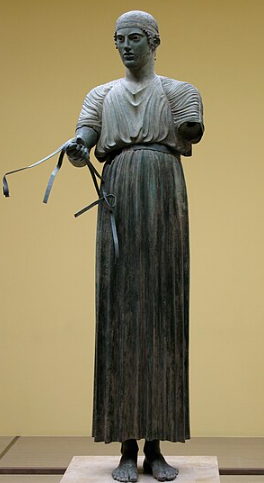
The significance of The Charioteer of Delphi extends far beyond their aesthetic value, offering profound insights into the values and beliefs of one of the most influential civilizations in history. Image: The Charioteer of Delphi, Delphi Archeological Museum, Greece
The Charioteer of Delphi is one of the finest examples of ancient Greek bronze sculpture. Created around 470 BCE to commemorate a victory in the Pythian Games, the statue depicts a charioteer standing upright, holding the reins of his chariot. It was discovered in the Sanctuary of Apollo at Delphi in 1896 and is now displayed in the Delphi Archaeological Museum in Greece.
Significance:
- Bronze Sculpture: The Charioteer of Delphi is one of the few surviving examples of bronze sculpture from ancient Greece, as most bronze statues were melted down in later periods. The medium allowed for greater detail and realism, as seen in the charioteer’s finely rendered face and intricate folds of his clothing.
- Commemorative Art: The statue was part of a larger group that celebrated the victory of a chariot team in the Pythian Games, held in honor of Apollo. It reflects the Greek tradition of erecting statues to commemorate athletic and military achievements, emphasizing the importance of competition and victory in Greek culture.
- Calm Dignity: Unlike many Greek statues that depict moments of intense action, the Charioteer of Delphi stands in a calm and dignified pose, exuding a sense of composure and self-control. This reflects the Greek ideal of sophrosyne, or temperance, which was highly valued in both athletic and personal conduct.
Zeus or Poseidon of Artemision
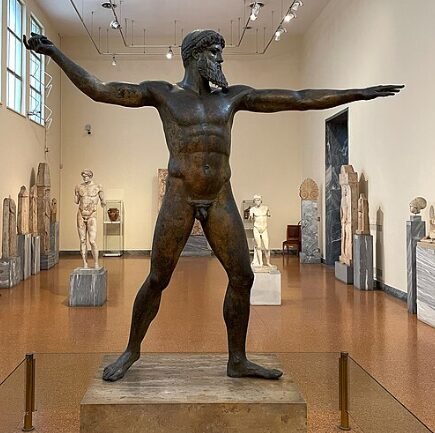
Discovered in the late 1920s during a shipwreck excavation at Cape Artemision, this bronze statue was broken into two pieces but remains in good condition despite some missing components. Ancient Greek statues like the Artemision Bronze served to honor gods and also play a role in storytelling.
The Zeus or Poseidon of Artemision is a striking bronze statue from the early Classical period, created around 460 BCE. The statue was recovered from a shipwreck off the coast of Cape Artemision and is now housed in the National Archaeological Museum of Athens. The figure is depicted in a powerful stance, preparing to hurl a thunderbolt or trident, although it remains unclear whether the statue represents Zeus, the king of the gods, or Poseidon, the god of the sea.
Significance:
- Dynamic Power: The Zeus or Poseidon of Artemision is celebrated for its dynamic sense of power and movement. The figure’s outstretched arm and poised stance convey a sense of imminent action, capturing the divine strength and authority of the god.
- Bronze Craftsmanship: The statue is a testament to the skill of ancient Greek bronze sculptors. The medium allowed for a greater range of motion and detail, as seen in the musculature, balance, and lifelike quality of the figure.
- Divine Authority: Whether it represents Zeus or Poseidon, the statue embodies the Greek belief in the power and majesty of the gods. The figure’s commanding presence reflects the reverence and awe with which the ancient Greeks viewed their deities.
Conclusion
The statues of ancient Greece are not merely artistic achievements; they are windows into the cultural, religious, and intellectual life of the ancient Greeks.
Through their depictions of gods, athletes, warriors, and mythological figures, Greek sculptors explored the ideals of beauty, strength, and virtue, while also grappling with themes of human emotion, divine power, and the relationship between body and soul.
The above statues have left an indelible mark on Western art, influencing countless generations of artists and continuing to inspire awe and admiration today.





