Most Famous Museums in New York City
New York City boasts some of the world’s most celebrated museums, preserving legacies of creativity, expression, and innovation. The Metropolitan Museum of Art, Museum of Modern Art, and the American Museum of Natural History are just a few examples, showcasing diverse collections from ancient artifacts to contemporary masterpieces. These institutions provide enriching cultural experiences, offering insight into human history, art, and science.

Here’s an in-depth exploration of some of the most famous museums in the city:
The Metropolitan Museum of Art (The Met)
Location: Fifth Avenue at 82nd Street, Central Park
Established in 1870, The Met is the largest and most comprehensive art museum in the United States, spanning over two million works. It covers 5,000 years of art from various cultures and regions, including ancient Egyptian artifacts, European paintings, and American decorative arts. The Met’s collections are housed in three locations: The Met Fifth Avenue, The Met Breuer, and The Met Cloisters.
Highlights:
- The Met Fifth Avenue: The museum’s main building features extensive collections of European paintings, American and modern art, and arms and armor.
- The Met Cloisters: Located in Fort Tryon Park, this branch focuses on medieval European art and architecture, with reconstructed cloisters and gardens.
- The Met Breuer: Dedicated to modern and contemporary art, this branch has now been repurposed for other uses.
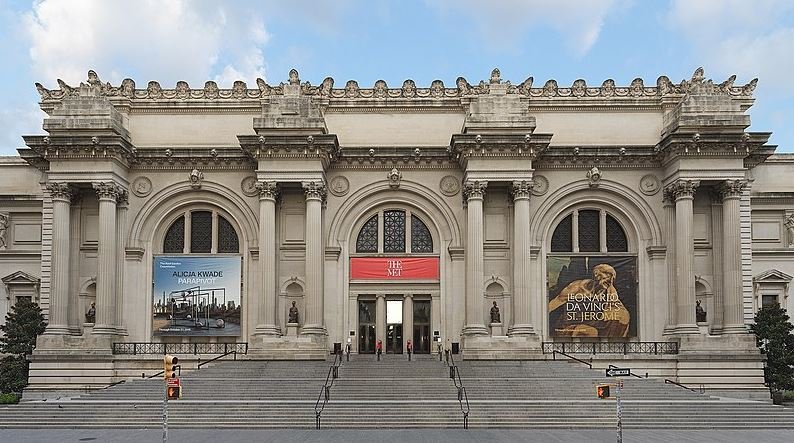
As one of the world’s largest art museums, The Met houses over 1.5 million pieces, including paintings, sculptures, instruments, weaponry, and artifacts spanning 5,000 years. Highlights include Emanuel Leutze’s Washington Crossing the Delaware, Vincent van Gogh’s Wheat Fields with Cypresses, and the Temple of Dendur. Established in 1870, the Met is a neoclassical masterpiece. Image: The main entrance to the Met.
The Museum of Modern Art (MoMA)
Location: 11 West 53rd Street, Midtown Manhattan
MoMA is a leading institution for modern and contemporary art, with an extensive collection of paintings, sculptures, drawings, prints, photography, and design. Founded in 1929, MoMA has been influential in defining modern art, featuring works from artists like Vincent van Gogh, Pablo Picasso, Andy Warhol, and Jackson Pollock.
Highlights:
- Starry Night by Vincent van Gogh
- Les Demoiselles d’Avignon by Pablo Picasso
- Campbell’s Soup Cans by Andy Warhol
- The Persistence of Memory by Salvador Dali

Image: Entrance to the MoMA
The American Museum of Natural History (AMNH)
Location: Central Park West at 79th Street
AMNH is one of the largest natural history museums in the world, dedicated to exploring human cultures, the natural world, and the universe. The museum’s exhibits cover a wide range of topics, including anthropology, paleontology, zoology, and astrophysics.
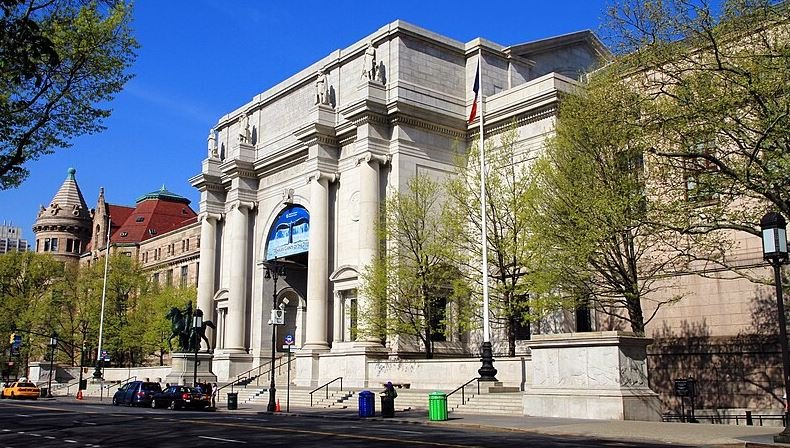
Image: One of the entrances to the AMNH
Highlights:
- The Rose Center for Earth and Space: Features the Hayden Planetarium and exhibits on the universe and space exploration.
- The Hall of Saurischian Dinosaurs: Houses the famous Tyrannosaurus rex and Apatosaurus skeletons.
- The Hall of Biodiversity: Showcases the diversity of life on Earth and the threats to its survival.
- The Butterfly Conservatory: A seasonal exhibit with live butterflies.

The Solomon R. Guggenheim Museum
Location: 1071 Fifth Avenue at 89th Street
Designed by Frank Lloyd Wright, the Guggenheim Museum is an architectural icon and a leading institution for modern and contemporary art. The museum’s unique spiral design allows visitors to view the art in a continuous, flowing experience. The collection includes works by Wassily Kandinsky, Paul Klee, and Piet Mondrian.
Highlights:
- The Spiral Ramp: The museum’s distinctive architectural feature.
- Kandinsky Gallery: Dedicated to the works of Wassily Kandinsky, a pioneer of abstract art.
- Special Exhibitions: Rotating exhibits that highlight contemporary artists and themes.
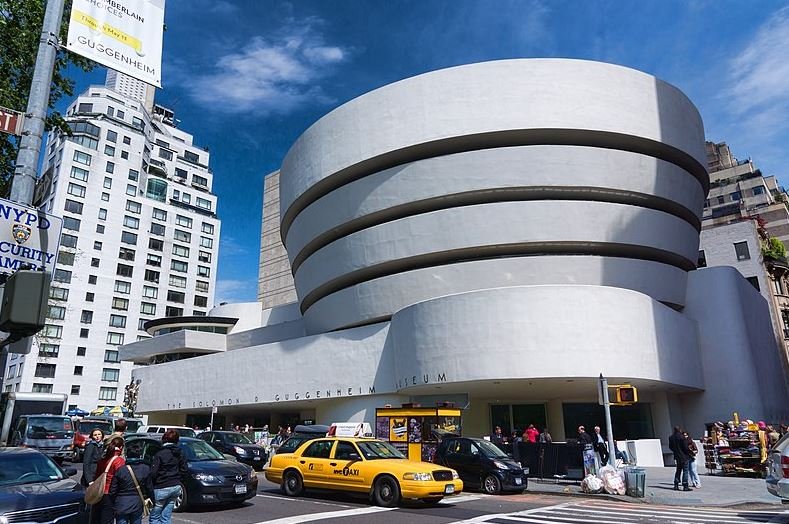
Image: Front view of the The Solomon R. Guggenheim Museum
The Whitney Museum of American Art
Location: 99 Gansevoort Street, Meatpacking District
The Whitney focuses on 20th and 21st-century American art, with an emphasis on living artists. The museum’s collection includes works by Edward Hopper, Georgia O’Keeffe, and Alexander Calder. The new building, designed by Renzo Piano, offers expansive gallery spaces and stunning views of the Hudson River.
Highlights:
- Edward Hopper Collection: Featuring many of the artist’s iconic works.
- The Whitney Biennial: A prestigious showcase of contemporary American art held every two years.
- Outdoor Galleries: Offering sculptures and installations with views of the city.
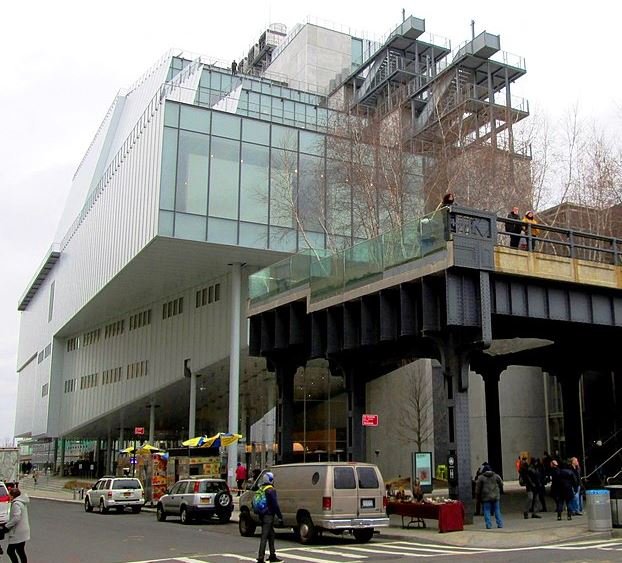
Image: An entrance to the Whitney.
The Brooklyn Museum
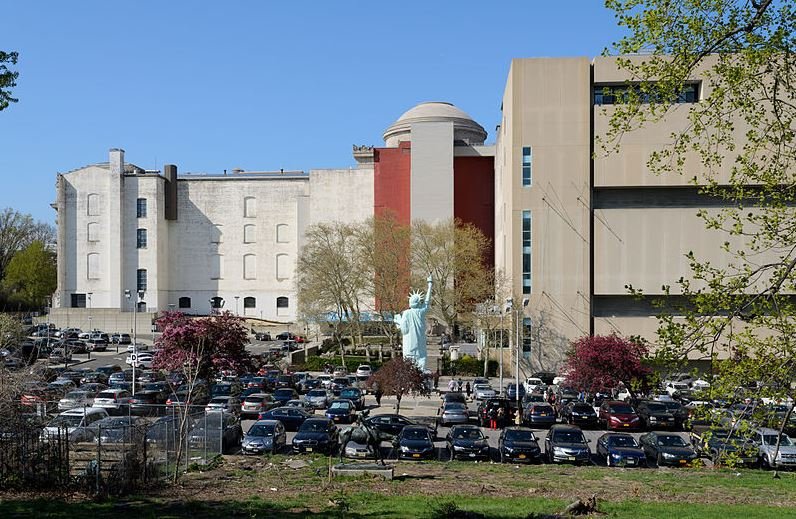
Adjacent to the Brooklyn Botanical Garden, the Brooklyn Museum rivals the world’s top art institutions. Highlights include Monet’s The Doge’s Palace, the Egyptian Cartonnage of Nespanetjerenpere, and the Beaded Crown of Onijagbo Obasoro Alowolodu. Image: The rear of the Brooklyn Museum, facing the Brooklyn Botanical Garden.
Location: 200 Eastern Parkway, Brooklyn
The Brooklyn Museum is one of the oldest and largest art museums in the country, with a diverse collection that spans ancient Egyptian artifacts, African art, European paintings, and contemporary works. The museum is known for its innovative exhibitions and community-focused programs.
Highlights:
- The Egyptian Collection: One of the largest and most comprehensive collections of Egyptian artifacts in the United States.
- The Arts of Africa: Showcasing traditional and contemporary African art.
- The Elizabeth A. Sackler Center for Feminist Art: Dedicated to feminist art and home to Judy Chicago’s “The Dinner Party.”
The Frick Collection
Location: 1 East 70th Street
Housed in the former mansion of industrialist Henry Clay Frick, The Frick Collection features European paintings, sculptures, and decorative arts. The intimate setting and opulent surroundings offer a unique viewing experience, with works by artists like Rembrandt, Vermeer, and Gainsborough.
Highlights:
- The Garden Court: A serene indoor garden and fountain.
- The Library: An extensive art history library available to scholars and the public.
- Special Exhibitions: Featuring works from other museums and private collections.
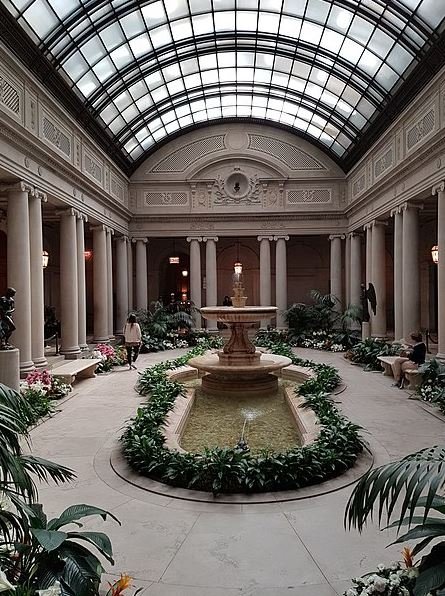
Image: The courtyard of the Frick Collection.
New York City’s 9/11 Memorial and Museum
Upon entering, you’ll be greeted by the giant collapsing fountains and pools at the bases of the former World Trade Center Towers. The bronze walls of the pools bear the engraved names of all 2,983 victims of the 9/11 attacks and the 1993 World Trade Center bombing.

Image: Aerial view of the 9/11 Memorial and Museum in 2012.
Nearby, the main museum is housed in a beautiful underground space. Inside, you’ll find poignant exhibits, including a deformed fire truck, a detailed timeline of the events, and personal items like hats, photos, and other materials that honor the legacies of those who perished. These reflective exhibits offer a solemn yet powerful tribute to the lives lost and the heroism displayed during these tragic events.

The New Museum
Location: 235 Bowery, Lower East Side
The New Museum is dedicated to contemporary art and emerging artists, offering innovative and experimental exhibitions. The museum’s striking building, designed by SANAA, reflects its cutting-edge approach to art.
Highlights:
- Rooftop Views: Offering panoramic views of the city.
- Experimental Exhibitions: Featuring the latest trends and ideas in contemporary art.
- Education Programs: Engaging the community through workshops and lectures.
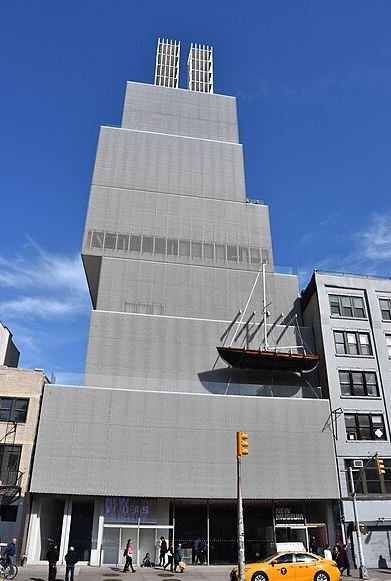
Image: A 2015 picture of the New Museum
National Museum of the American Indian

The National Museum of the American Indian (NMAI) is part of the Smithsonian Institution and is dedicated to the life, languages, literature, history, and arts of Native Americans.
NMAI was established through an Act of Congress in 1989, but its roots trace back to the extensive collection of George Gustav Heye, who amassed one of the world’s most comprehensive collections of Native American artifacts. The New York branch opened in 1994 in the historic Alexander Hamilton U.S. Custom House. The Washington, D.C. museum opened in 2004, offering a prominent space on the National Mall.
- Collection Size: Over 825,000 artifacts, representing nearly every indigenous group in the Western Hemisphere.
- Architectural Design: The D.C. building was designed in consultation with Native communities, featuring curvilinear forms and natural materials.
- Exhibitions: Notable exhibits include “Our Universes,” “Our Lives,” and “Nation to Nation,” which explore indigenous cultures, contemporary issues, and U.S. treaties with Native nations.
- Cultural Events: Both locations host numerous cultural programs, performances, and educational activities, enriching public understanding of Native American heritage.
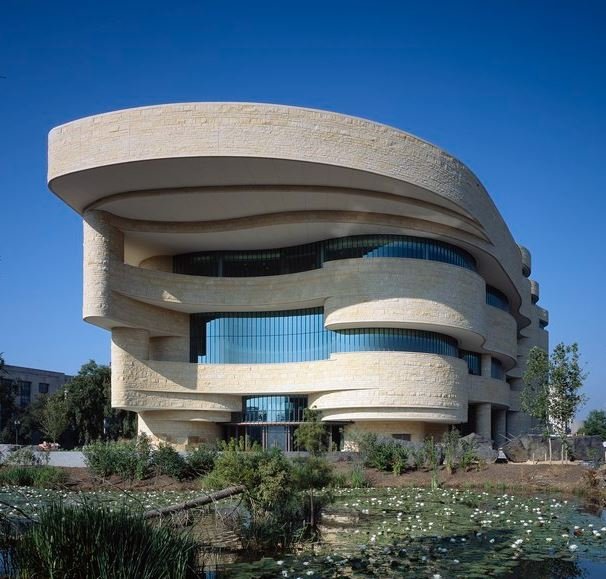
The Smithsonian’s National Museum of the American Indian in Manhattan features rotating exhibits on Native American history, culture, and traditions, showcasing the art, artifacts, and heritage of over 1,000 indigenous peoples across the Americas. Image: the National Museum of the American Indian.
The Tenement Museum
Location: 103 Orchard Street, Lower East Side
The Tenement Museum focuses on the immigrant experience in New York City, with guided tours of restored tenement apartments and interactive exhibits. The museum tells the stories of the families who lived in the building from the 19th to the 21st centuries.
Highlights:
- Apartment Tours: Exploring the lives of past residents.
- Walking Tours: Highlighting the history of the Lower East Side.
- Educational Programs: Engaging visitors with stories of immigration and community.
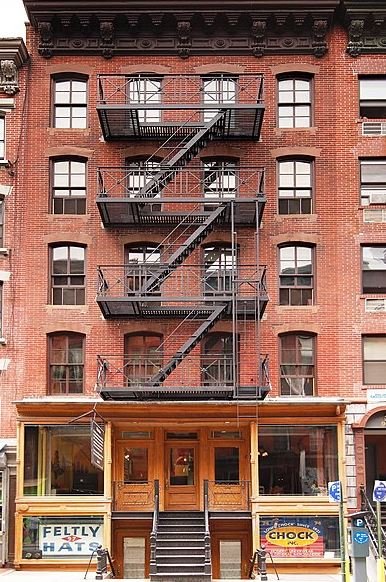
Image: A 2010 picture of the Tenement Museum.
The Morgan Library & Museum
Location: 225 Madison Avenue at 36th Street
Originally the private library of financier J.P. Morgan, this museum houses an impressive collection of manuscripts, rare books, and art. The historic building, with its stunning architecture and period rooms, offers a glimpse into the world of a Gilded Age collector.
Highlights:
- The Rotunda: An ornate space with murals and decorative arts.
- Literary Treasures: Including original manuscripts by Dickens, Hemingway, and Austen.
- Special Exhibitions: Featuring rare books and art from around the world.
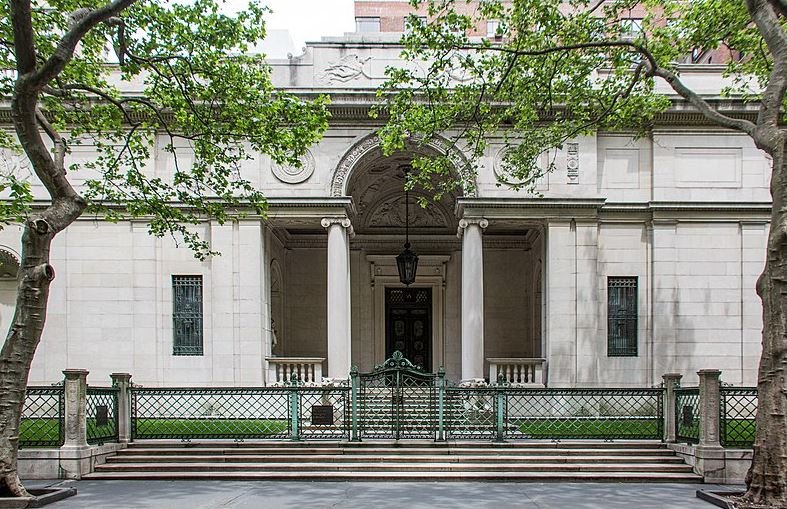
Image: Front view of the Morgan Library & Museum.
Conclusion
New York City’s museums offer an unparalleled cultural experience, showcasing the best of human creativity, history, and innovation. From the vast collections of The Met and MoMA to the specialized exhibits of the Tenement Museum and the Morgan Library, there is something for everyone. These institutions not only preserve and celebrate the past but also inspire future generations through education and engagement. Whether you’re a local or a visitor, exploring New York’s museums is a journey through the rich tapestry of human achievement and expression.





