Most Famous Works by Michelangelo
Michelangelo Buonarroti, one of the greatest artists of the Italian Renaissance, produced a diverse range of masterpieces in sculpture, painting, and architecture. His works reflect unparalleled skill, profound emotional depth, and the ideals of Renaissance humanism.
Below, World History Edu presents ten of his most famous creations, with their significance in the history of art and culture.
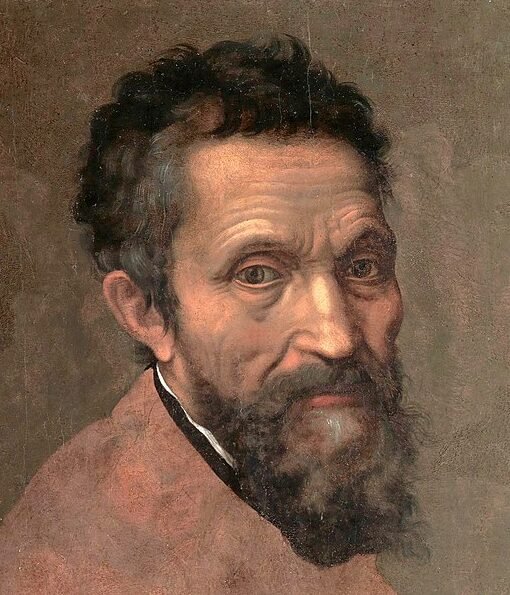
Image: A portrait of Michelangelo.
David (1501–1504)
Location: Galleria dell’Accademia, Florence
Medium: Marble
The colossal David stands as a symbol of strength, courage, and human potential. Sculpted from a single block of marble, the statue showcases Michelangelo’s mastery of anatomy, proportion, and emotional expression. David became a civic symbol of Florence, representing its resilience and independent spirit during political struggles.
Pietà (1498–1499)
Location: Saint Peter’s Basilica, Vatican City
Medium: Marble
The Pietà depicts the Virgin Mary holding the lifeless body of Jesus after the crucifixion. This sculpture is celebrated for its emotional depth, intricate detailing, and harmonious composition. Michelangelo’s depiction of Mary as youthful and serene instead of aged reflects Renaissance ideals of beauty and purity. It is also the only work he ever signed, cementing his early reputation as a master sculptor.

“The Pietà”
Sistine Chapel Ceiling (1508–1512)
Location: Vatican City
Medium: Fresco
Michelangelo’s ceiling fresco for the Sistine Chapel redefined the possibilities of art. Comprising over 300 figures, the work narrates scenes from the Book of Genesis, with The Creation of Adam being the most iconic. The fresco’s dynamic composition, anatomical precision, and spiritual themes profoundly influenced Western art, showcasing Michelangelo’s genius as a painter despite his preference for sculpture.

Image: A photo of the Sistine Chapel Ceiling
The Last Judgment (1536–1541)
Location: Sistine Chapel, Vatican City
Medium: Fresco
Painted on the altar wall of the Sistine Chapel, The Last Judgment depicts the Second Coming of Christ and the final judgment of souls. The dramatic composition features muscular figures in various states of salvation or damnation, reflecting Michelangelo’s evolving interest in human struggle and divine power. This fresco also marked a shift in Michelangelo’s style, incorporating darker tones and complex emotions reflective of the turbulent times.

Image: The Last Judgment
Moses (c. 1513–1515)
Location: San Pietro in Vincoli, Rome
Medium: Marble
The Moses sculpture, part of the unfinished Tomb of Pope Julius II, captures the prophet’s commanding presence as he clutches the tablets of the Ten Commandments. Michelangelo’s intricate detailing, especially the flowing beard and tense musculature, conveys strength and divine authority. The work is renowned for its psychological intensity, exemplifying Michelangelo’s ability to portray profound emotion in stone.

Image: “Moses”
Medici Chapel (1520–1534)
Location: Basilica of San Lorenzo, Florence
Medium: Marble and architectural design
The Medici Chapel houses tombs of Giuliano and Lorenzo de’ Medici, featuring Michelangelo’s sculptures Night and Day and Dusk and Dawn. These allegorical figures explore themes of mortality and the passage of time. The chapel’s design and sculptures reflect Michelangelo’s synthesis of architecture and sculpture, creating a meditative space that honors the Medici legacy while delving into existential themes.

Image: Medici Chapel.
Doni Tondo (c. 1503–1506)
Location: Uffizi Gallery, Florence
Medium: Tempera and oil on panel
This circular painting, also known as The Holy Family, represents Michelangelo’s mastery of color and composition in painting. The Doni Tondo features dynamic figures and a vibrant palette, emphasizing the human connections between Mary, Joseph, and Jesus. The work’s architectural framing and sculptural forms highlight Michelangelo’s interdisciplinary genius, blending elements of painting, sculpture, and architecture.

Image: Doni Tondo
Laurentian Library (1523–1559)
Location: Basilica of San Lorenzo, Florence
Medium: Architectural design
The Laurentian Library demonstrates Michelangelo’s architectural innovation, particularly in the use of space and decorative elements. The library’s vestibule features a striking staircase and exaggerated proportions, creating a dynamic sense of movement. This work broke from classical conventions, marking a transition toward Mannerist architecture and influencing future generations of architects.
Rondanini Pietà (1552–1564)
Location: Castello Sforzesco, Milan
Medium: Marble
The Rondanini Pietà, Michelangelo’s final sculpture, reflects his later artistic philosophy. Left unfinished at his death, it portrays a raw and emotional vision of Mary and Jesus. The elongated forms and sparse detailing signify a departure from the polished perfection of his earlier works, offering a poignant meditation on mortality and spiritual transcendence.

Image: Rondanini Pietà
St. Peter’s Basilica Dome (1546–1564)
Location: Vatican City
Medium: Architectural design
As chief architect of St. Peter’s Basilica, Michelangelo redesigned the dome, creating one of the most iconic architectural features of the Renaissance. His innovative design combined structural ingenuity with aesthetic grandeur, ensuring the dome became a defining symbol of Vatican City. Completed after his death, the dome exemplifies Michelangelo’s enduring influence on Western architecture.

Image: Front view of the St. Peter’s Basilica.
Conclusion
Michelangelo’s works in sculpture, painting, and architecture collectively define the Renaissance and its ideals of humanism, beauty, and divine connection. From the emotional depth of the Pietà to the architectural marvel of St. Peter’s Basilica, his creations continue to inspire and captivate audiences, solidifying his legacy as one of history’s greatest artists.
Frequently Asked Questions

What were Michelangelo’s early sculptural works?
Early works include the Head of a Faun (c. 1489–1494, lost), Madonna of the Stairs (c. 1491), and Battle of the Centaurs (c. 1492), showcasing his exploration of form and anatomy.
What are Michelangelo’s most iconic sculptures?
His iconic sculptures include the Pietà (1498–1499), David (1501–1504), and Moses (c. 1513–1515), which epitomize Renaissance ideals of beauty and emotional depth.
What were Michelangelo’s significant unfinished works?
The Rondanini Pietà (1552–1564), his last sculpture, remains unfinished and reflects raw emotion and grief.
What are Michelangelo’s most famous frescoes?
The Sistine Chapel Ceiling (1508–1512) and The Last Judgment (1536–1541) are his most renowned frescoes, known for their grand scale, intricate detail, and narrative power.
What notable panel paintings did Michelangelo create?
Doni Tondo (c. 1503–1506) celebrates the Holy Family with vibrant colors, while The Entombment (c. 1500–1501) demonstrates his mastery of anatomy and emotion.
What were Michelangelo’s key architectural contributions?
Major projects include the Medici Chapel (1520–1534), Laurentian Library (1523–1559), Piazza del Campidoglio (1536–1546), and the dome of St. Peter’s Basilica (1546–1564).
What insights do Michelangelo’s drawings provide?
Works like The Dream of Human Life (c. 1533) and Pietà for Vittoria Colonna (c. 1538–1544) reveal his allegorical thinking and religious devotion.
How did Michelangelo contribute to poetry?
Michelangelo wrote sonnets and madrigals addressing themes of love, spirituality, and the struggles of artistic creation, complementing his visual art.
What themes unify Michelangelo’s works?
Michelangelo’s works consistently explore human emotion, divine beauty, and the interplay between form and meaning, embodying the ideals of the Renaissance.





