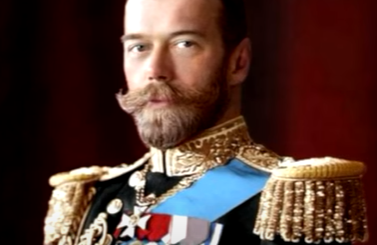
Peter II of Russia

Tsar Peter II’s reign, though brief, exposed the dangers of placing an inexperienced ruler on the throne.
Early Life and Family Background
Peter II Alexeyevich was born on 23 October 1715 in Saint Petersburg to Tsarevich Alexei Petrovich, the son of Peter the Great, and Charlotte Christine of Brunswick-Lüneburg, a German princess. Tragically, Peter’s mother died ten days after his birth, leaving him and his elder sister, Natalya, as orphans. His father was imprisoned and executed in 1718 for alleged treason against Peter the Great, leaving the young Peter under the care of indifferent guardians.
Peter’s grandfather, Peter the Great, harbored resentment toward his late son and showed little interest in his grandson. As a result, Peter’s early education was entrusted to non-noble tutors, including a sailor and a Hungarian noble, who taught him basic subjects. His upbringing in seclusion and neglect left him poorly prepared for the responsibilities of leadership.
Accession to the Throne
Following the death of Peter the Great in 1725, his wife, Catherine I, assumed the throne with the help of Aleksander Menshikov, a powerful statesman. When Catherine died in 1727, Menshikov used his influence to secure the young Peter II’s ascension to the throne. Peter was proclaimed emperor at the age of 11, becoming the only male descendant of Peter the Great to inherit the throne.
Menshikov sought to consolidate his power by arranging for Peter to reside in his household and betrothing him to his daughter, Maria. For several months, Menshikov ruled as the de facto leader of Russia, issuing orders on the emperor’s behalf and controlling state affairs.
Political Intrigue and Menshikov’s Downfall
Peter II, growing weary of Menshikov’s overreach, was influenced by court rivals, including Count Ostermann and the Dolgorukov family. In September 1727, Peter took a bold step by stripping Menshikov of his titles and exiling him to Siberia. This marked a significant turning point, as Peter dissolved his engagement to Maria Menshikova and began relying on the Dolgorukovs for guidance.
However, the removal of Menshikov did not resolve the political instability. The Dolgorukov family, particularly Prince Aleksey Dolgorukov and his son Ivan, filled the power vacuum. They capitalized on Peter’s inexperience, steering him away from governance and into a life of leisure and indulgence.
The Reign of Peter II
Peter II’s reign (1727–1730) was characterized by his disengagement from state affairs and the resulting administrative chaos. His lack of interest in governance left Russia’s political and economic systems in disarray. Officials hesitated to make decisions without imperial direction, leading to stagnation in the administration.
Tsar Peter II’s disengagement from governance and susceptibility to manipulation resulted in political instability and administrative decline.
The navy, a cornerstone of Peter the Great’s modernization efforts, was neglected under Peter II. Serfdom tightened as Peter issued decrees barring serfs from joining the military to escape their status. While the emperor displayed natural intelligence, his refusal to engage with matters of state hindered Russia’s progress.
Court Life and Personal Indulgence
Peter II preferred the company of his favorites, particularly Ivan Dolgorukov, who led him into a lifestyle of feasting, gambling, and drinking. The young emperor spent his days hunting and hosting elaborate parties, further distancing himself from the responsibilities of governance.
In 1728, Peter II moved the imperial court from Saint Petersburg back to Moscow, disrupting the nobility and administration accustomed to Peter the Great’s northern capital. The move symbolized Peter II’s indifference to his grandfather’s legacy and caused considerable strain on the state apparatus.
Betrothal to Ekaterina Dolgorukova
The Dolgorukovs sought to cement their influence by arranging Peter II’s engagement to 18-year-old Ekaterina Dolgorukova, a member of their family. Although Peter agreed to the engagement, he showed little interest in his fiancée. Many at court, including his aunt Elizabeth Petrovna, disapproved of the match, viewing it as a power grab by the Dolgorukovs.
Despite the emperor’s apparent apathy, preparations for the wedding proceeded. The ceremony was scheduled for 30 January 1730, but fate intervened before the marriage could take place.
Illness and Sudden Death
In late December 1729, Peter II fell ill, likely from smallpox, after attending an outdoor feast for Epiphany. His health declined rapidly, and by January, he was bedridden. The Dolgorukovs attempted to secure his approval of a will naming Ekaterina as his heir, but the emperor was too weak to act.
On 30 January 1730, the day of his planned wedding, Peter II succumbed to his illness. In his final moments, he reportedly called for horses to visit his sister Natalya, who had died in 1728. The young emperor’s death marked the end of the Romanov male line.
Legacy and Succession
Peter II was buried in the Cathedral of the Archangel in Moscow, becoming the only post-Petrine emperor not interred in the Peter and Paul Cathedral in Saint Petersburg. His death at the age of 14 ended the direct male line of the Romanov dynasty. The throne passed to Anna Ivanovna, the daughter of Peter the Great’s half-brother, Ivan V.
READ MORE: 10 Most Influential Russian Emperors and Empresses (Tsars and Tsarinas of Imperial Russia)
Questions and Answers
What were Peter II’s early challenges?
Peter II became an orphan at three after his father was executed and his mother died shortly after his birth. His grandfather, Peter the Great, showed little interest in him, leaving his education and upbringing neglected.
Who influenced Peter II’s accession to the throne?
Aleksander Menshikov orchestrated Peter II’s rise after Catherine I’s death in 1727, using the boy-emperor to consolidate his own power.
How did Peter II react to Menshikov’s control?
Peter II eventually grew tired of Menshikov’s dominance, exiling him to Siberia in 1727, dissolving his engagement to Menshikov’s daughter, and aligning himself with the Dolgorukov family.
What characterized Peter II’s reign?
Peter II’s reign was marked by disengagement from governance, neglect of state affairs, increased court intrigue, and the tightening of serfdom.
What role did the Dolgorukov family play?
The Dolgorukovs gained significant influence over Peter II, encouraging his indulgent lifestyle and securing his engagement to Ekaterina Dolgorukova to strengthen their political power.
What administrative issues arose during Peter II’s reign?
The Russian administration faltered due to Peter II’s lack of involvement. Key institutions, including the navy, were neglected, and officials were reluctant to make decisions without imperial guidance.
How did Peter II die?
Peter II succumbed to smallpox on 30 January 1730, the day of his planned wedding to Ekaterina Dolgorukova. His illness followed a winter feast that worsened his condition.
Why is Peter II significant in Romanov history?
Peter II was the last male agnatic Romanov, and his death ended the direct male line, leading to the succession of Anna Ivanovna and a shift in dynastic power.