Cats in the Ancient World
The historical significance of cats in the ancient world varied greatly across different cultures. In Egypt, they were revered as divine protectors; in Mesopotamia, they were practical companions; in Persia,...
Bastet, often depicted as a lioness or a woman with the head of a lioness or domestic cat, was the ancient Egyptian goddess of home, fertility, and protector of Pharaoh.
Over time, her image transitioned from a fierce lioness warrior goddess to a more domesticated deity resembling a house cat.
Bastet was believed to protect against evil spirits and misfortune. She was also the goddess of music, dance, and joy.
Her primary cult center was the city of Bubastis, located in the Nile Delta. The city became one of the most prosperous and influential centers in Egypt due to the goddess’s popularity.
Bubastis was the site of grand annual festivals in honor of Bastet. These events included music, dancing, and river processions, attracting devotees from all over Egypt.
Bastet was often depicted holding the ankh (a symbol of life) and the papyrus wand, representing Lower Egypt.
Domestic cats were revered in ancient Egyptian households because of their association with Bastet. Killing a cat, even accidentally, was considered a grave offense.
Many mummified cats have been found in Egyptian tombs, sometimes placed there to honor Bastet.
Bastet was commonly featured on amulets and protective talismans, which were worn by her devotees. Statues of the goddess, especially in her domestic cat form, were also popular and could be found in many households.
Bastet is sometimes considered the gentler counterpart to Sekhmet, another lioness deity, who was more aggressive and was associated with war.
The worship of Bastet dates back to around the Second Dynasty of ancient Egypt and continued for over a thousand years, illustrating her significant and enduring role in Egyptian religion and culture.

The historical significance of cats in the ancient world varied greatly across different cultures. In Egypt, they were revered as divine protectors; in Mesopotamia, they were practical companions; in Persia,...

Pets in Ancient Egypt were not only beloved companions but also held spiritual, social, and functional roles within society. The ancient Egyptians had a deep appreciation for animals, integrating them...
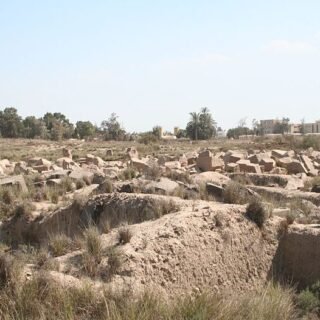
Bubastis, known in ancient Egyptian as “Pr-Bȝst.t” (Per-Bast), meaning “House of Bast,” was a major city in ancient Egypt. Renowned as a religious and administrative hub, Bubastis played a critical...

In Egyptian mythology, the journey of the sun god Ra through the underworld, known as the Duat, was a crucial aspect of the daily cycle. As Ra traveled through this...

Sekhmet and Bastet are two important goddesses in Egyptian mythology, both associated with felines. Sekhmet is often depicted as a lioness or a woman with the head of a lioness....

In ancient Egypt, the gods and goddesses reigned supreme over all aspects of their daily lives. For example, the Egyptians believed that when one died the jackal-headed god Anubis (god...

Ancient Egyptians had a plethora of deities that were often revered as the embodiment of a natural phenomenon or a human trait. Where as many of us have quite some...

Taweret was the ancient Egyptian goddess of fertility, childbirth and protector of the home, particularly women and children. There are lots of stories and myths surrounding the Egyptian goddess Taweret....
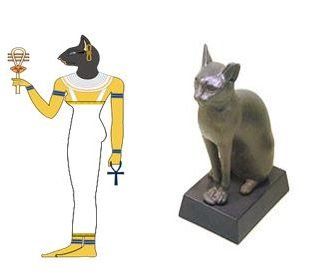
In Egyptian mythology, Bastet (Bast) is the goddess of protection, cats, pregnancy, fertility, music, warfare, and ointments. She was generally revered as the daughter of Ra the creator god and...

With epithets such as “The One Before Whom Evil Trembles”, Egyptian warrior goddess Sekhmet was feared primarily because of her lust for bloodshed. At the same time, the ancient Egyptians...





