The Ancient City of Nineveh: History and Major Facts
Nineveh, historically one of the most prominent cities of ancient Mesopotamia, was the capital of the Neo-Assyrian Empire. Situated on the eastern bank of the Tigris River, it is part of present-day Mosul, Iraq. Nineveh’s strategic location made it a vital cultural, political, and economic hub, particularly during its zenith in the 7th century BCE when it was the largest city in the world for several decades.
Etymology and Name
The name “Nineveh” derives from various linguistic roots. Its Akkadian form, “Ninua,” may link to the goddess Inanna, suggesting a religious origin tied to her worship. Other interpretations relate the name to fish, reflecting the region’s relationship with the Tigris River. The Hebrew, Greek, and Arabic adaptations of the name reflect its enduring significance across cultures.

An artist’s depiction of Assyrian palaces from “The Monuments of Nineveh” by English art historian Sir Austen Henry Layard, published in 1853.
Historical Foundations
Nineveh’s origins date back to the Neolithic period around 6000 BCE. Initially a modest farming village, it gradually evolved into a vital city-state under various cultural influences, including the Ubaid and Halaf cultures. By the Early Bronze Age, Nineveh was a trading colony tied to the expansive Uruk civilization.
Neo-Assyrian Era and Architectural Grandeur
Nineveh’s prominence soared during the Neo-Assyrian Empire. Under King Sennacherib (705–681 BCE), the city underwent significant expansion, featuring grand palaces, temples, and aqueducts. His “Palace Without Rival” symbolized Assyrian opulence, with detailed bas-reliefs depicting military victories and daily life. The city’s fortifications included a 12-kilometer wall with 15 gates, further emphasizing its architectural ingenuity.
Religious Significance
Nineveh was closely associated with the worship of Ishtar, the goddess of love and war. The city’s temple dedicated to her attracted pilgrims and solidified its status as a religious center. Biblical narratives, including the story of Jonah, highlight Nineveh’s moral redemption and spiritual importance.
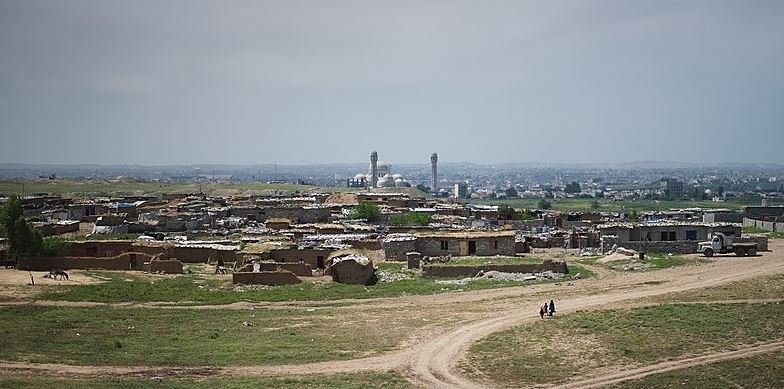
A 2019 photo of the remains of Nineveh.
The Fall of Nineveh
Despite its splendor, Nineveh’s dominance was short-lived. In 612 BCE, a coalition of Babylonians, Medes, and Scythians besieged and sacked the city. This marked the collapse of the Neo-Assyrian Empire, leaving Nineveh in ruins. Though briefly resettled, it never regained its former stature and was largely abandoned by the 13th century CE.
Archaeological Discoveries
The rediscovery of Nineveh in the 19th century unveiled a treasure trove of artifacts, including the famed library of Ashurbanipal. Excavations by English Assyriologist Austen Henry Layard and others revealed intricate reliefs, colossal statues, and cuneiform tablets that illuminated Assyrian culture, governance, and daily life.
Legacy and Modern Relevance
Today, Nineveh’s ruins, including Tell Kuyunjiq and Tell Nabī Yūnus, serve as reminders of its ancient glory. The city’s historical narratives resonate through biblical references, literary works, and ongoing archaeological studies. Despite threats from modern conflict and environmental factors, efforts to preserve Nineveh’s legacy continue.
READ ALSO: Most Famous Ancient Mesopotamian Cities
Frequently Asked Questions
Nineveh was an ancient city in Upper Mesopotamia and the capital of the Neo-Assyrian Empire. It was situated on the eastern bank of the Tigris River, in what is now modern-day Mosul, Iraq. Known for its immense size and grandeur, Nineveh was the largest city in the world during its peak in the 7th century BCE.
Why was Nineveh historically significant?
Nineveh was a political, cultural, and religious hub during the Neo-Assyrian Empire. It served as the empire’s administrative center and played a critical role in connecting trade routes between the Mediterranean and the Indian Ocean. Its development of infrastructure, including aqueducts, roads, and monumental architecture, demonstrated advanced urban planning.
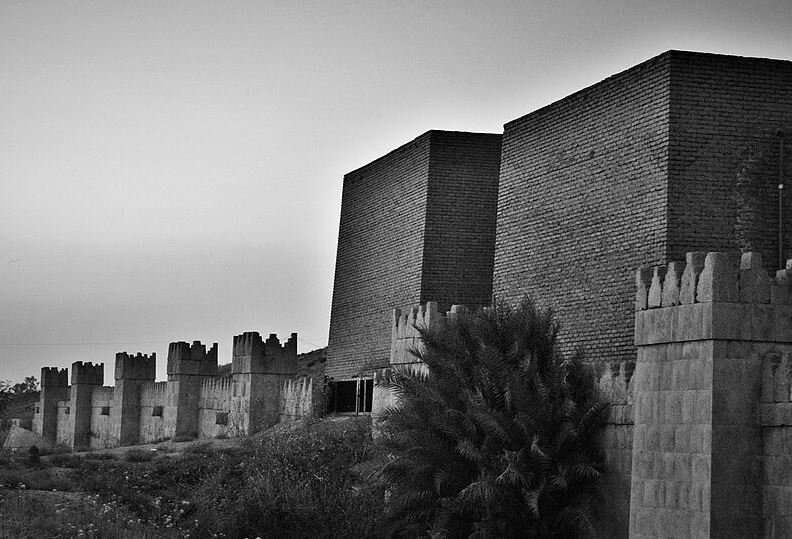
Mashki Gate of Nineveh
Who were the primary deities worshiped in Nineveh?
Nineveh was closely associated with the worship of Ishtar, the goddess of love, war, and fertility. The city’s main temple was dedicated to her, and Ishtar of Nineveh was considered a powerful deity in the Assyrian pantheon. Her temple attracted pilgrims and played a central role in the city’s religious identity.
What led to Nineveh’s destruction?
Nineveh fell in 612 BCE after a coalition of Babylonians, Medes, and Scythians attacked the city. This coalition sought to overthrow the Neo-Assyrian Empire, and the siege led to Nineveh’s sacking and significant destruction. Following its fall, the city was never rebuilt as a political or administrative center.
What architectural and cultural advancements was Nineveh known for?
Nineveh boasted remarkable architectural achievements, including extensive city walls with fortified gates, grand palaces, and aqueducts. Sennacherib’s “Palace Without Rival” featured intricate bas-reliefs and sculptures. The library of Ashurbanipal, discovered in Nineveh, contained thousands of cuneiform tablets, offering insight into Assyrian knowledge and culture.
How is Nineveh depicted in religious texts?
In the Bible, Nineveh is mentioned as a city of great size and significance. It is famously linked to the prophet Jonah, who warned its inhabitants of divine punishment for their wickedness. Following their repentance, the city was spared. Nineveh’s fall is also prophesied in the books of Nahum and Zephaniah, symbolizing divine judgment.