The Compromise of 1850: History & Major Facts
The Compromise of 1850, a seminal event in American history, represents a suite of laws passed by the U.S. Congress which aimed to stave off sectional conflict between North and South. This intricate set of measures attempted to address the diverging interests of slaveholding states and free states following the Mexican-American War (1846 –1848), which had added vast new territories to the United States.

The Compromise of 1850 not only shaped the political landscape of the era but also underscored the persistent challenges and contradictions at the heart of America’s struggle with slavery and state rights. Image: A map of the US after the Compromise.
Origins and Background
The roots of the Compromise trace back to the territorial acquisitions following the Mexican-American War (1846-1848). The United States gained an immense amount of land, including present-day California, Utah, Nevada, Arizona, New Mexico, Colorado, and Wyoming. The question of whether slavery would be permitted in these new territories threatened the balance of power between North and South.
Missouri Compromise (1820)- Origin Story, Consequences & Facts
California’s Gold Rush and Statehood
The annexation of Texas in 1845, a territory where slavery was already established, brought it into the Union as a slave state. However, the status of slavery in the newly acquired territories of California, New Mexico, and Utah was less clear, as these areas did not practice slavery. The question of whether to allow slavery in these territories sparked intense debate among various factions in the United States.
The discovery of gold in California in 1848 accelerated its population growth and economic development, leading to a push for statehood. California’s proposed constitution, which forbade slavery, threatened to tilt the balance of power in the Senate towards free states. Southern states viewed this as a direct threat to their economic and political interests.

Proposed Compromise Solutions
Southerners advocated for the right to bring slaves into all lands acquired from Mexico, viewing these territories as new domains for the expansion of their agrarian economy.
In contrast, Northerners, especially abolitionists, argued against the extension of slavery, citing the ideals of the nation’s founding fathers like George Washington and Thomas Jefferson, as well as legislative precedents such as the Ordinance of 1787, which prohibited slavery in the Northwest Territories.
The debate saw the emergence of several compromise solutions. Some moderates proposed extending the Missouri Compromise line to the Pacific Ocean, which would designate free states north of the line and slave states to the south. Another suggestion, reflecting the growing influence of the concept of popular sovereignty, was that the settlers themselves should decide the issue. This would allow them to establish territories with or without slavery as they saw fit, and make a final decision when these territories applied for statehood.
Despite the strength of the abolitionist movement, most Northerners were hesitant to confront the issue of slavery directly in the South. The prevalent view was one of opposition to the expansion of slavery rather than its outright abolition. The emergence of the Free Soil Party in 1848, which advocated for containing and limiting slavery, highlighted this sentiment. The party’s significant support indicated a strong desire among Northerners to prevent the spread of slavery into new territories.

The Role of Key Figures
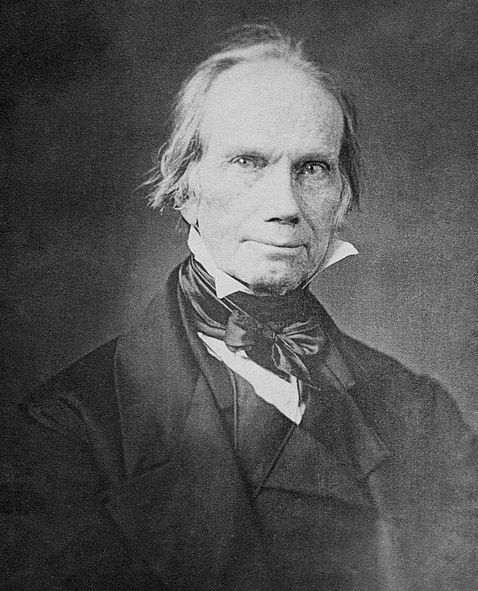
Senator Henry Clay, known for his previous compromise solutions, proposed a multifaceted plan to resolve these issues. Image: Henry Clay during the late 1840s.
Several key figures played pivotal roles in crafting the Compromise of 1850. Henry Clay, known as the “Great Compromiser” for his role in the Missouri Compromise of 1820, initially proposed a comprehensive package to address all issues related to the new territories.
Other significant contributors included Stephen A. Douglas, who advocated for local decision-making through popular sovereignty, and John C. Calhoun, who argued vehemently for the protection of Southern interests. Daniel Webster, in his famed Seventh of March speech, urged conciliation on both sides, emphasizing the necessity of compromise to preserve the Union.

Major Provisions
The Compromise of 1850 consisted of five main laws:
- California Admission as a Free State: This effectively tipped the balance in the Senate in favor of the free states.
- Territorial Status and Popular Sovereignty in Utah and New Mexico: These areas were allowed to decide on the issue of slavery through popular sovereignty, a concept that meant that the people who settled in these territories would decide by vote whether to allow slavery.
- Adjustment of Texas Border and Debt Relief: Texas relinquished claims to parts of New Mexico in exchange for federal assumption of its debts. This provision was crucial in resolving disputes between Texas and the federal government over state boundaries and debt.

- Fugitive Slave Act: Arguably the most controversial aspect of the Compromise, this act required that escaped slaves be returned to their masters even if they were found in a free state. The act also stipulated harsh penalties for those who aided runaway slaves.
- Abolition of Slave Trade in Washington, D.C.: While the trade of slaves was banned in the capital, slavery itself was still permitted.
Impact and Legacy
The immediate impact of the Compromise was a temporary easing of the tensions between North and South by addressing some of the critical issues at hand. However, many of the solutions provided by the Compromise, particularly the Fugitive Slave Act, only deepened sectional divides. The North was particularly incensed by the stringent requirements to return runaway slaves, which many felt compromised their principles and legal systems.
Moreover, the principle of popular sovereignty led to further conflict in Kansas and Nebraska, as pro- and anti-slavery forces battled violently over the fate of these territories in what became known as “Bleeding Kansas.”
Questions and Answers
Here are some educational questions and answers based on the information about the Compromise of 1850:
Who were the primary architects of the Compromise of 1850?
The primary architects of the Compromise of 1850 were Whig Senator Henry Clay and Democratic Senator Stephen A. Douglas, with support from President Millard Fillmore.
What precipitated the need for the Compromise of 1850?
The need for the Compromise of 1850 was precipitated by the territorial gains from the Mexican-American War and the ensuing debate over whether slavery should be allowed to expand into these new territories.
What were the major components of the Compromise of 1850?
The major components included the admission of California as a free state, the strengthening of the Fugitive Slave Act, the abolition of the slave trade in Washington, D.C., the establishment of territorial governments in Utah and New Mexico with no restrictions on slavery, and the adjustment of Texas’s northern and western borders.
How did California’s request for statehood as a free state impact the balance of power in the Senate?
California’s request to enter the Union as a free state threatened to upset the delicate balance of power in the Senate between free and slave states, inflaming Southern concerns about diminishing influence in federal governance.
What was the role of the Fugitive Slave Act within the Compromise of 1850?
The Fugitive Slave Act of 1850 was a contentious law that mandated the return of runaway slaves found in free states to their masters. It imposed heavy penalties on anyone who aided fugitive slaves, extending the reach of the slave system into free states and causing significant Northern resistance.
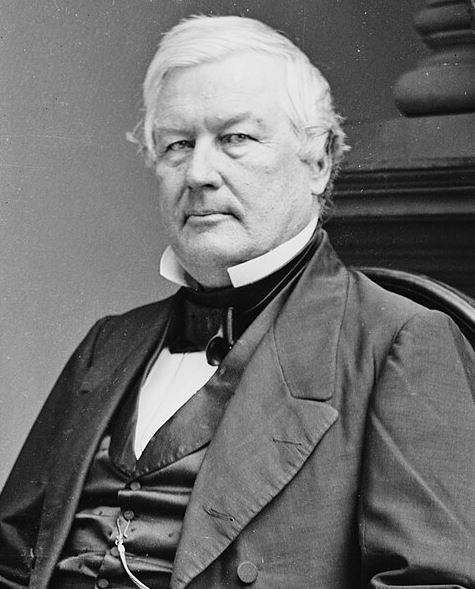
The doctrine of popular sovereignty allowed the residents of the newly established territories of Utah and New Mexico to decide for themselves whether to allow slavery. This approach was intended to reduce federal intervention in the issue but ultimately led to increased regional tensions. Image: Millard Fillmore (1800 – 1874)
What were the long-term effects of the Compromise of 1850 on the United States?
While the Compromise of 1850 temporarily cooled tensions and postponed conflict, its measures, particularly the Fugitive Slave Act, exacerbated sectional divisions. Resistance to the law became both passive and active, with some Northerners refusing to comply and others engaging in acts of defiance. The Underground Railroad, an organized effort to help runaway slaves reach freedom in the North, became more effective and daring than before.
The concept of popular sovereignty introduced by the compromise later contributed to further conflicts, such as “Bleeding Kansas,” and set the stage for the American Civil War (1861 – 1865).
How did the political landscape change to facilitate the passing of the Compromise of 1850?
The political landscape changed with the death of President Zachary Taylor, who was succeeded by Millard Fillmore. Fillmore was more sympathetic to the compromise, which allowed Stephen A. Douglas to strategically maneuver the legislation through Congress by splitting it into separate bills to gain the necessary support.
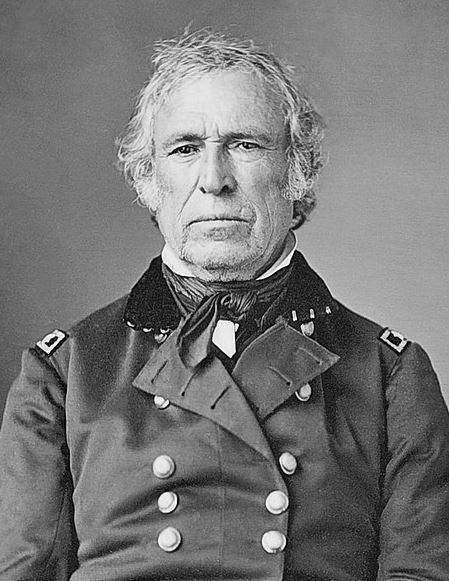
The provisions of the Compromise of 1850 laid the groundwork for the more profound sectional animosity that would erupt into the Civil War a decade later. This series of laws highlights the complexities of balancing national cohesion against deeply entrenched regional interests and moral convictions in the face of profound societal change. Image: Zachary Taylor (1784 – 1850)
What was the significance of abolishing the slave trade in Washington, D.C., as part of the Compromise?
Abolishing the slave trade in Washington, D.C., was a symbolic gesture meant to appease abolitionist sentiments in the North while not fully antagonizing the South, as it still allowed the practice of slavery within the capital.
How did Texas’s territorial claims impact the legislative process and outcomes of the Compromise of 1850?
Texas’s expansive claims over territories it had never effectively controlled contributed to the crisis that led to the Compromise of 1850. Resolving these claims involved Texas relinquishing its rights to certain lands in exchange for federal assumption of its debts, which helped facilitate the establishment of new territorial governments under the terms of the compromise.
Reasons why the United States didn’t annex Mexico following the Mexican-American War