The Seduction of the Minotaur is an introspective and semi-autobiographical novel by Anaïs Nin, serving as the final installment of her Cities of the Interior sequence. Published in 1961, it delves deeply into the psychological exploration of the protagonist, Lillian, a character shaped by Nin’s own life and experiences.
The novel, which heavily reflects themes of psychoanalysis and self-discovery, is intricately tied to Nin’s personal diaries and showcases her distinctive focus on the inner workings of the human mind.
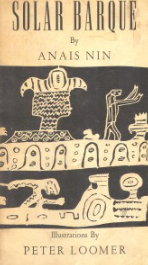
First edition of The Seduction of the Minotaur
Setting and Background
The narrative is set in a tropical town reminiscent of Acapulco, inspired by Anaïs Nin’s first visit to the Mexican city in 1947. Nin vividly captures the lush and vibrant atmosphere of the locale, yet the setting serves primarily as a backdrop for Lillian’s inner journey.
Much of the content of the novel parallels entries from Nin’s fifth diary volume, emphasizing her tendency to intertwine fiction and memoir. Unlike the diary, which included moments of physical peril and external conflict, the novel focuses more on psychological struggles and inner revelations.
Central Themes and Psychological Undertones
The title, The Seduction of the Minotaur, is a metaphor laden with Freudian symbolism. The “Minotaur” represents the unconscious mind’s repressed desires and fears, often perceived as monstrous and chaotic. The “labyrinth” symbolizes the complex and convoluted psyche where these emotions are hidden.
Nin suggests that one must not “kill” or suppress the unconscious but instead “seduce” it—acknowledge and integrate these repressed feelings into conscious awareness. This psychological seduction involves deep self-exploration and insight, mirroring the process of psychoanalysis.
This theme resonates throughout the novel as Lillian embarks on a journey of self-psychoanalysis. She confronts her hidden fears, desires, and guilt, recognizing them as integral parts of her identity. Nin portrays this process as a path to emotional liberation and personal growth, advocating for understanding and reconciling with the darker, often neglected aspects of one’s self.
Lillian’s Journey and Relationships
Lillian, the protagonist, is a woman grappling with her own emotional complexities and existential questions. Her interactions with others, particularly a doctor she deeply admires, serve as mirrors reflecting her internal conflicts. The doctor, who is loved by others for his professional role but not for who he is as a person, allows himself to be fatally shot. This act underscores themes of identity, rejection, and the human need for genuine connection beyond societal roles or expectations.
The doctor’s tragic end might be seen as a reflection of Nin’s understanding of the psychoanalyst Otto Rank’s death. Rank, an influential figure in Nin’s life, contributed to her understanding of psychology and the human condition. The parallels between the doctor’s narrative and Rank’s life suggest that the novel is not only a fictional exploration but also a tribute to the psychological insights Nin gained from her relationships with key figures in her life.
Literary Style and Symbolism
True to Nin’s distinctive literary style, The Seduction of the Minotaur is rich in poetic prose and vivid imagery. The tropical setting is not just a physical location but a symbolic space that embodies Lillian’s emotional and psychological landscape. The lush environment reflects her sensuality and creative spirit, while the oppressive heat and isolation parallel her internal struggles and feelings of entrapment.
The earlier version of the novel, titled Solar Barque, evokes Egyptian mythology and cosmology, specifically referencing the sun boat used by deities (particularly the sun god Ra) to traverse the underworld. This title reinforces the novel’s theme of journeying through the dark recesses of the psyche to achieve enlightenment and renewal. Though The Seduction of the Minotaur is less overtly mythological, it retains the essence of this symbolic voyage.
Underworld Deities in Ancient Egyptian Religion and Mythology
Autobiographical Elements
Anaïs Nin’s novels often blur the lines between fiction and autobiography, and The Seduction of the Minotaur is no exception. The novel draws heavily from her personal experiences, including her travels, relationships, and psychoanalytic explorations. Nin’s own process of self-discovery, as documented in her diaries, is mirrored in Lillian’s journey, making the novel an intimate reflection of the author’s inner world.
By focusing on the psychological rather than the physical, Nin prioritizes the exploration of identity and emotion over external events. This approach sets her work apart from more traditional narratives and underscores her commitment to delving into the human psyche.
Legacy and Interpretation
The Seduction of the Minotaur serves as a culmination of Nin’s literary and psychological themes, encapsulating her belief in the transformative power of self-awareness and emotional insight. It challenges readers to confront their own “Minotaurs” and navigate the labyrinths of their unconscious minds.
Through its richly symbolic narrative and introspective tone, the novel remains a testament to Nin’s unique voice in literature. It continues to resonate with readers drawn to the intersections of psychology, creativity, and personal growth, offering a poetic and thought-provoking journey into the depths of the human soul.
Questions and Answers about Anaïs Nin
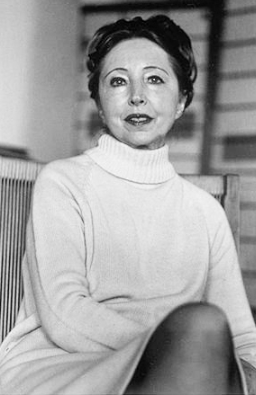
Anaïs Nin was a French-born American writer, known for her diaries, novels, essays, and erotica. Her work often explored themes of personal relationships, identity, and sexuality. Image: Portrait of Anaïs Nin in the 1970s by American portrait photographer Elsa Dorfman
What is Anaïs Nin best known for?
She is best known for her extensive diaries, which she wrote from the age of 11 until her death. These journals document her private thoughts, relationships, and life experiences.
Where was Anaïs Nin born, and who were her parents?
Nin was born in France on February 21, 1903, to Cuban parents. Her father, Joaquín Nin, was a composer, and her mother, Rosa Culmell, was a classically trained singer.
Where did Anaïs Nin spend her early life?
She spent her early years in Spain and Cuba. From 1924 to 1940, she lived in Paris, and she spent the latter half of her life in the United States.
What influenced Anaïs Nin’s writing?
Her relationships with psychoanalyst Otto Rank and writer Henry Miller deeply influenced her writing. Her life experiences, travels, and intimate relationships also shaped her literary themes.
What are some of Anaïs Nin’s notable works?
Her famous works include the diaries published during her lifetime and posthumous collections of erotica such as Delta of Venus and Little Birds. She also wrote novels, essays, and critical studies.
Who were Anaïs Nin’s spouses?
Nin was married to Hugh Parker Guiler and later to Rupert Pole. Her journals reveal the complexities of these relationships.
What is Anaïs Nin’s connection to erotica?
Nin wrote several volumes of erotica, much of which was published posthumously. These works gained critical acclaim for their exploration of sexuality and human desire.
Where did Anaïs Nin spend her later years, and how did she die?
She spent her later years in Los Angeles, California, and died of cervical cancer on January 14, 1977.
Did you know…?
Anaïs Nin was a finalist for the Neustadt International Prize for Literature in 1976, highlighting her contribution to modern literature.





