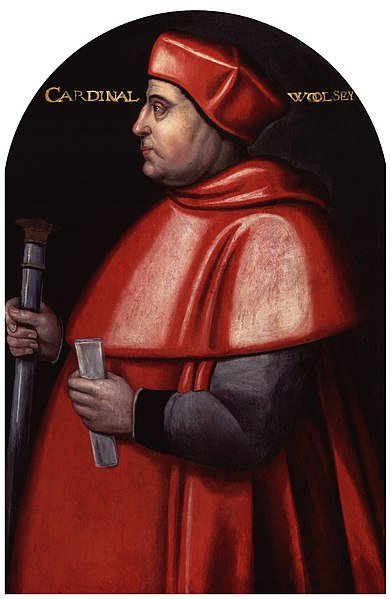
A portrait of Thomas Wolsey by an unknown artist, circa 1520, held at the National Portrait Gallery in London.
Thomas Wolsey (c. March 1473 – 29 November 1530) was a pivotal figure in Tudor England, holding immense political and ecclesiastical power during the reign of King Henry VIII. Rising from humble beginnings, Wolsey became a central figure in English governance and the church. His influence as a statesman and Catholic cardinal was unparalleled, earning him the title of alter rex or “other king” due to his close association with Henry VIII and his dominance over state matters.
Early Life and Education
Thomas Wolsey was born in Ipswich to Robert Wolsey and Joan Daundy. While tradition identifies his father as a butcher, his modest origins became a frequent criticism later in his career. Wolsey attended Ipswich School and Magdalen College School, later studying theology at Magdalen College, Oxford, where he demonstrated exceptional intelligence. Ordained as a priest in 1498, he began his ecclesiastical career, quickly rising to become the dean of divinity and later rector of St. Mary’s Church in Limington.
Service Under Henry VII
Wolsey’s ascent began in the service of Henry VII, where his administrative skill and ambition became evident. His initial role as royal chaplain allowed him to work closely with Richard Foxe, a key royal advisor, who recognized Wolsey’s talent. His diplomatic mission to Scotland in 1508 further showcased his aptitude for managing complex political situations. These early roles prepared him for the transformative shift in power when Henry VIII ascended to the throne in 1509.
Rise to Power Under Henry VIII
Henry VIII’s accession marked a turning point for Wolsey. Appointed as the royal almoner, he gained a seat on the Privy Council, enabling him to forge a close relationship with the king. Henry’s early disinterest in governance allowed Wolsey to consolidate power, eventually becoming Lord Chancellor in 1515.
As Henry’s trusted advisor, Wolsey wielded immense influence over domestic and foreign policy, adapting his stance to align with the king’s ambitions, particularly regarding England’s military and diplomatic endeavors.
Ecclesiastical Influence
Wolsey’s ecclesiastical appointments paralleled his political rise. He became Archbishop of York in 1514 and was elevated to cardinal by Pope Leo X in 1515. As Papal Legate in 1518, Wolsey gained extraordinary powers, positioning him as the de facto head of the English church. His wealth and influence grew through these roles, enabling him to amass significant estates and income, which he used to fund grand architectural projects and educational institutions.
Diplomatic Achievements
Wolsey’s diplomacy reshaped England’s position in European politics. His orchestration of the Treaty of London in 1518, which sought to establish peace among major European powers, exemplified his skill in diplomacy. Similarly, the Field of the Cloth of Gold in 1520 highlighted his ability to stage grand diplomatic events, fostering alliances and showcasing England’s power. However, his alignment with Charles V during the Habsburg-Valois conflict eventually strained relations with France and weakened England’s influence.
Domestic Reforms
As Lord Chancellor, Wolsey implemented significant reforms in taxation, law, and social policy. He introduced a progressive income tax system, replacing outdated levies and ensuring greater equity in revenue collection.
Thomas Wolsey’s influence extended beyond his lifetime. His reforms in taxation and law left an enduring impact on English governance.
His legal reforms enhanced access to justice, particularly for the poor, through the Court of Requests and the reinvention of the equity court system. Wolsey also addressed issues of enclosure, launching inquiries to curtail the conversion of arable land into pasture, which had displaced rural communities.
Architectural Patronage
Wolsey’s legacy includes his contributions to architecture and education. He funded the construction of Hampton Court Palace, transforming it into a symbol of Renaissance elegance. His establishment of educational institutions, such as Cardinal College in Oxford (later Christ Church), demonstrated his commitment to advancing learning. These projects not only reflected his wealth but also his ambition to leave a lasting cultural impact.
Challenges and Decline
Despite his achievements, Wolsey faced mounting opposition from the nobility and clergy, who resented his centralization of power. His inability to secure an annulment for Henry VIII’s marriage to Catherine of Aragon marked the beginning of his downfall. The annulment’s failure was largely due to the complex international dynamics, particularly Pope Clement VII’s reluctance to alienate Charles V, Catherine’s nephew. Wolsey’s perceived loyalty to Rome over the king further eroded his standing at court.
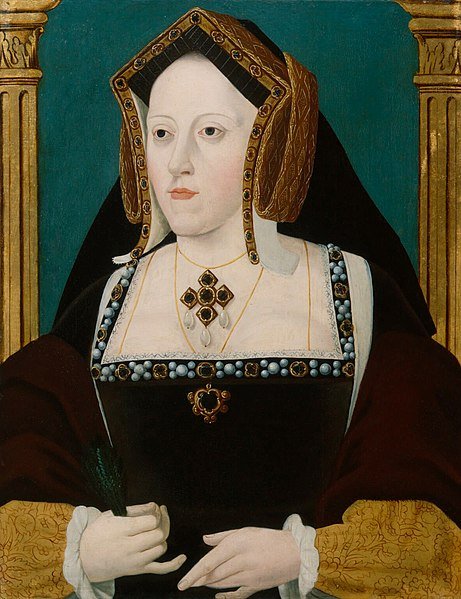
A portrait of Queen Catherine of Aragon, created by an unknown artist.
Downfall and Death
Stripped of his political titles in 1529, Wolsey retreated to his ecclesiastical role in York. However, he was soon summoned to London to face charges of treason, a common fate for ministers who fell out of royal favor.
Nobles resented Thomas Wolsey’s low birth, monopoly on power, and financial demands, which undermined his support at court.
While en route, Wolsey fell ill and died at Leicester Abbey on 29 November 1530. His death spared him the indignity of execution, but his demise marked the end of an era in Tudor governance.
Frequently Asked Questions
How did Wolsey rise to power?
From modest origins as a butcher’s son, Wolsey advanced through the church and gained royal favor due to his administrative talent and alignment with Henry VIII’s ambitions.
What led to Wolsey’s downfall?
Wolsey failed to secure an annulment for Henry VIII’s marriage to Catherine of Aragon, losing the king’s favor and resulting in his arrest for treason, though he died of natural causes before trial.
What were Wolsey’s contributions to foreign policy?
He negotiated key treaties, such as the Treaty of London (1518), and organized the Field of Cloth of Gold (1520), enhancing England’s diplomatic influence.
How did Wolsey impact taxation and justice?
He introduced the “Subsidy,” a progressive tax based on income, and reformed courts to ensure broader access to justice, including for the poor.
What were Wolsey’s educational and architectural legacies?
He founded educational institutions, including a grammar school in Ipswich and Cardinal College (now Christ Church) at Oxford, and introduced Renaissance architectural styles.
What role did Wolsey’s personal life play in his career?
His non-canonical marriage and two children were sources of criticism, but he managed to maintain his career until political failures overshadowed him.





