How did Henry VIII’s marriages end?
Henry VIII, one of England’s most infamous monarchs, is often remembered for his six marriages and the dramatic ends to each. His quest for a male heir and personal satisfaction led to a series of marriages, each ending in its unique and often tragic way.
In the article below, historians at World History Edu not only provide insight into Henry’s personal life but also shed light on the political, religious, and social turbulence of Tudor England.
Catherine of Aragon (Marriage annulled)
Catherine of Aragon, daughter of Ferdinand and Isabella of Spain, was initially married to Henry’s older brother, Arthur. After Arthur’s death, Catherine married Henry in 1509, soon after he ascended to the throne. Their marriage was initially harmonious, and Catherine gave birth to several children, but only one survived infancy: Mary, born in 1516.
As years passed and Catherine failed to produce a male heir, Henry’s frustration grew. By the mid-1520s, Henry became infatuated with Anne Boleyn, one of Catherine’s ladies-in-waiting. Henry’s desire for a male heir and his infatuation with Anne led him to seek an annulment from Catherine, arguing that their marriage was cursed by God because Catherine had been his brother’s widow.
Pope Clement VII, under pressure from Catherine’s nephew, Emperor Charles V, refused to annul the marriage. In response, Henry initiated the English Reformation, breaking away from the Roman Catholic Church and establishing the Church of England. In 1533, after years of legal and ecclesiastical battles, Henry’s marriage to Catherine was annulled by Archbishop Thomas Cranmer. Catherine was banished from court, living her remaining years in isolation until her death in 1536.
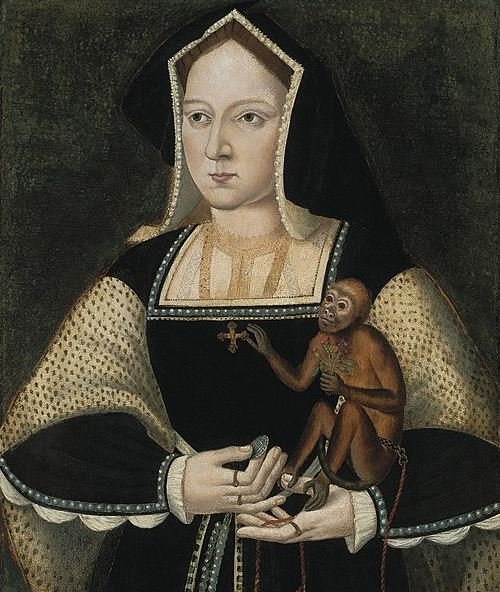
Image: A portrait of Catherine by Flemish painter Lucas Horenbout.
How did Queen Mary I of England earn the name “Bloody Mary”?
Anne Boleyn (Executed)
Anne Boleyn’s marriage to Henry was marked by both passion and political upheaval. Henry married Anne in January 1533, after his marriage to Catherine was annulled. Anne gave birth to Elizabeth (later Queen Elizabeth I) later that year, but subsequent pregnancies ended in miscarriage or stillbirth, failing to produce the much-desired male heir.
Anne’s sharp intellect and outspoken nature, which initially captivated Henry, eventually contributed to her downfall. By 1536, Henry had become infatuated with Jane Seymour and was frustrated by Anne’s inability to provide a male heir. Moreover, Anne’s enemies at court, including Thomas Cromwell, sought to remove her from power.
In May 1536, Anne was arrested on charges of adultery, incest, and high treason. These charges were likely fabricated or exaggerated, reflecting the political machinations of the time. Anne was found guilty and executed by beheading on May 19, 1536, marking a tragic end to her short and tumultuous reign as queen.
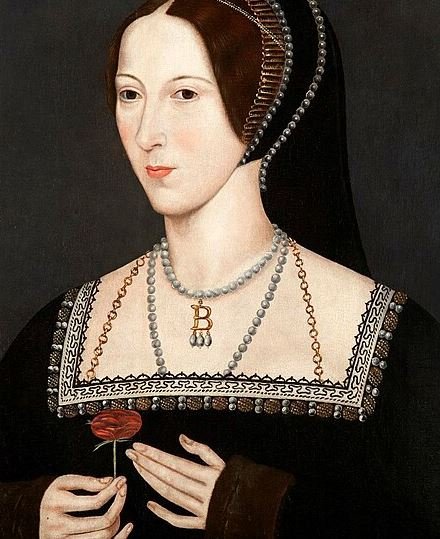
Image: A portrait of Boleyn at Hever Castle in London, England.
Jane Seymour (Died)
Jane Seymour, in stark contrast to Anne Boleyn, was demure and compliant, traits that appealed to Henry after his turbulent marriage to Anne. Henry married Jane just 11 days after Anne’s execution. In October 1537, Jane gave birth to Edward (later Edward VI), Henry’s long-desired male heir.
However, the joy of Edward’s birth was short-lived. Jane fell ill with postpartum complications and died on October 24, 1537, just 12 days after giving birth. Henry mourned her deeply, considering her his true wife because she had given him a son. Jane was buried in St. George’s Chapel at Windsor Castle, and Henry later chose to be buried beside her, signifying the special place she held in his heart.
Anne of Cleves (Annulled)
Anne of Cleves, a German noblewoman, was chosen as Henry’s fourth wife based on a portrait by Hans Holbein the Younger and the political need for an alliance with her brother, the Duke of Cleves. However, when Anne arrived in England, Henry found her appearance and manner displeasing, famously referring to her as a “Flanders mare.”
Despite his initial disappointment, Henry married Anne on January 6, 1540. The marriage was never consummated, and Henry sought a way out. By July 1540, the marriage was annulled on the grounds of non-consummation and Anne’s pre-contract to another nobleman.
Queen Anne accepted the annulment graciously and was given a generous settlement, including Hever Castle, the former home of the Boleyn family. She remained in England, earning Henry’s respect and maintaining a cordial relationship with him. Anne of Cleves outlived Henry, dying in 1557.
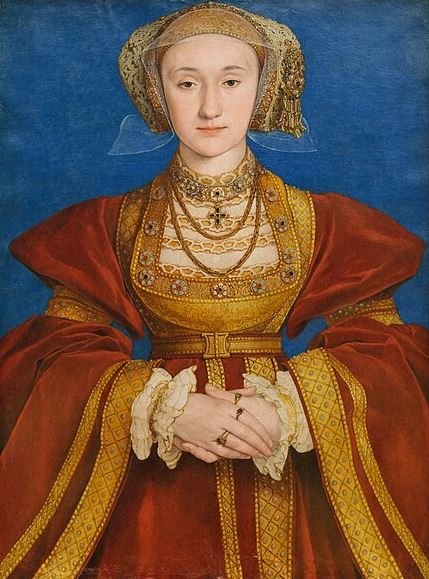
Anne of Cleves, chosen for a political alliance, displeased Henry VIII upon arrival. They married in January 1540, but the marriage was annulled by July 1540. Anne accepted gracefully, received a settlement, stayed in England, and outlived Henry. Image: A portrait of Cleves by German-Flemish painter Hans Holbein the Younger.
Catherine Howard (Executed)
Catherine Howard, a cousin of Anne Boleyn, was young and vivacious when she caught Henry’s eye. They married in July 1540, shortly after his annulment from Anne of Cleves. Initially, Catherine’s youthful charm seemed to rejuvenate the aging king.
However, Catherine’s past indiscretions soon caught up with her. In 1541, it was revealed that she had engaged in sexual relationships before her marriage to Henry and continued an affair with Thomas Culpeper, a member of the king’s court, during their marriage. These revelations were seen as a profound betrayal. Catherine was arrested, stripped of her title as queen, and imprisoned. In February 1542, she was executed for adultery, marking another tragic end to one of Henry’s marriages.
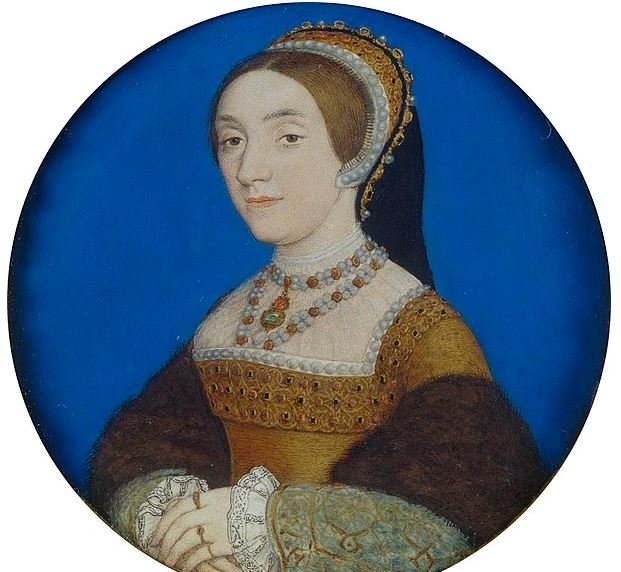
Image: A painting of Catherine Howard by Hans Holbein the Younger.
Catherine Parr (Survived)
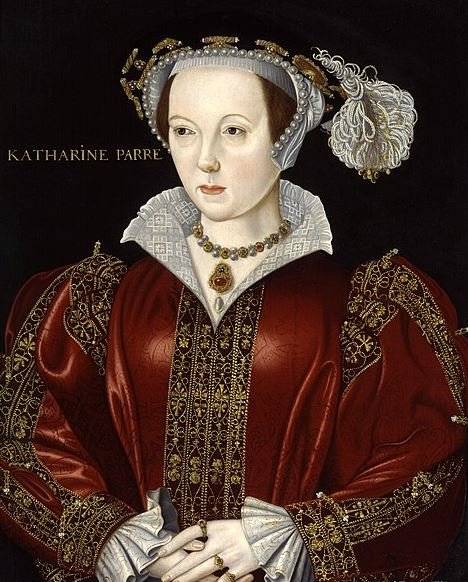
Catherine Parr, Henry’s sixth and final wife, was a twice-widowed woman of great intellect and piety. She married Henry in July 1543 and played a crucial role in reconciling him with his daughters, Mary and Elizabeth, and fostering a more harmonious royal family.
Catherine’s influence extended beyond her role as queen; she was an advocate for the Protestant Reformation and authored religious texts. Despite a brief threat to her life in 1546, when her Protestant sympathies put her at odds with conservative factions at court, she managed to retain Henry’s favor.
Catherine Parr outlived Henry, who died in January 1547. After Henry’s death, she married Thomas Seymour, the uncle of Edward VI. Catherine died in September 1548 due to complications from childbirth, marking the end of her influential yet turbulent journey through the Tudor court.
Frequently Asked Questions About the Six Wives of Henry VIII
Henry VIII’s six marriages were emblematic of the tumultuous times in which he ruled. Each marriage ended in its own distinct and often dramatic way, reflecting the complexities of Henry’s personality and the political landscape of Tudor England.
Below are some of the most asked questions about the six wives of Henry VIII of England:
Who were the six wives of Henry VIII?
- Catherine of Aragon: Married in 1509, marriage annulled in 1533.
- Anne Boleyn: Married in 1533, executed in 1536.
- Jane Seymour: Married in 1536, died in 1537.
- Anne of Cleves: Married in January 1540, annulled in July 1540.
- Catherine Howard: Married in 1540, executed in 1542.
- Catherine Parr: Married in 1543, outlived Henry, who died in 1547.
Why did Henry VIII have so many wives?
Henry VIII sought a male heir to secure his dynasty and was influenced by both personal desires and political necessities. His marriages were often attempts to achieve a stable succession, political alliances, and personal happiness.
How did each marriage end?
- Catherine of Aragon: Annulled after Henry sought to marry Anne Boleyn.
- Anne Boleyn: Executed for alleged adultery, incest, and treason.
- Jane Seymour: Died of postpartum complications after giving birth to Edward VI.
- Anne of Cleves: Marriage annulled due to non-consummation and political convenience.
- Catherine Howard: Executed for adultery.
- Catherine Parr: Survived Henry, later remarried.
Did Henry VIII have children with his wives?
- Catherine of Aragon: One surviving daughter, Mary I.
- Anne Boleyn: One surviving daughter, Elizabeth I.
- Jane Seymour: One surviving son, Edward VI.
- Anne of Cleves: No children.
- Catherine Howard: No children.
- Catherine Parr: No children with Henry, but had a daughter with her fourth husband, Thomas Seymour.
What was the significance of Henry VIII’s marriages for England?
Henry VIII’s marriages had profound political, religious, and social impacts. His annulment from Catherine of Aragon led to the English Reformation and the establishment of the Church of England. His marriages also influenced succession and the stability of the Tudor dynasty.
Why was Anne Boleyn executed?
Anne Boleyn was executed on charges of adultery, incest, and high treason. Many historians believe the charges were fabricated or exaggerated to remove her from power and allow Henry to marry Jane Seymour.
What led to the annulment of Henry’s marriage to Anne of Cleves?
The annulment was based on the marriage not being consummated and Henry’s lack of attraction to Anne. Political alliances had also shifted, making the marriage less advantageous.
How did Catherine Parr survive Henry VIII?
Catherine Parr outlived Henry VIII by being a dutiful and caring wife, managing to avoid the political intrigue and accusations that had doomed some of her predecessors. She also helped reconcile Henry with his daughters Mary and Elizabeth.
What were the long-term effects of Henry VIII’s marriages?
Henry VIII’s marriages and the resultant shifts in alliances and religious policies shaped the course of English history. The birth of Elizabeth I and Edward VI influenced England’s future, with Elizabeth’s reign being particularly noted for the Elizabethan Era and the flourishing of the arts and exploration.
How are Henry VIII’s wives remembered today?
Each wife is remembered for her unique story and contribution to history. Catherine of Aragon is seen as a tragic figure, Anne Boleyn as a pivotal figure in the Reformation, Jane Seymour as the mother of Edward VI, Anne of Cleves as the ‘Flanders Mare,’ Catherine Howard as a victim of court politics, and Catherine Parr as a survivor and influencer in the Protestant Reformation.