United Arab Republic: History, Formation, Leadership, & Dissolution
The United Arab Republic (UAR) was a brief but impactful political experiment in Arab nationalism, uniting Egypt and Syria from 1958 to 1961 under the leadership of Gamal Abdel Nasser. It aimed to strengthen Arab unity and counter Western influence in the Middle East. Despite high hopes, the union faced numerous challenges that led to its dissolution, leaving a lasting legacy in the history of Arab nationalism.
Historical Context
The mid-20th century was a period of intense political and ideological shifts in the Arab world. Pan-Arabism, fueled by shared cultural, linguistic, and historical ties, gained momentum as countries sought independence from colonial powers. Nasser’s rise in Egypt following the Suez Crisis of 1956 made him a hero in the Arab world, and his vision of Arab unity resonated across the region, particularly in Syria. In the face of internal instability and fears of Communist influence, Syrian leaders sought Nasser’s support, laying the groundwork for the UAR.
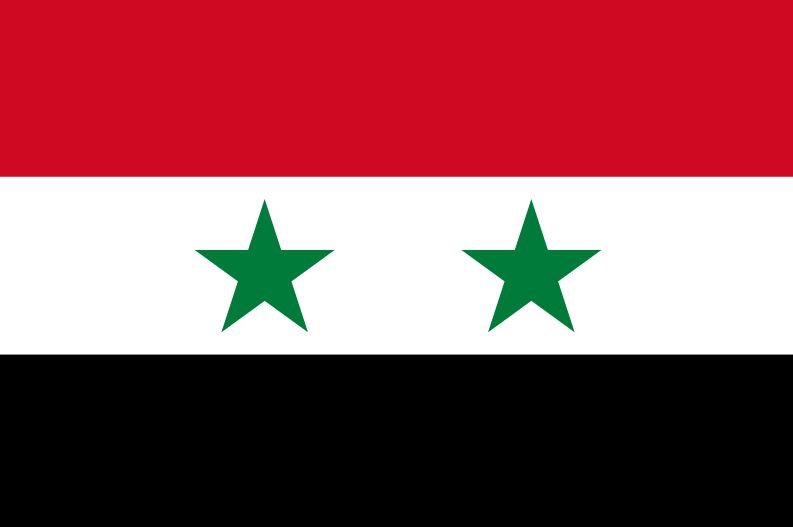
Image: Flag of United Arab Republic.
Formation of the UAR
The UAR was officially established on February 1, 1958, following negotiations between Egyptian and Syrian leaders. The union was solidified through a plebiscite in which citizens of both nations overwhelmingly supported the merger. Key conditions for the union included the dissolution of political parties, centralization of power, and the implementation of a shared governance structure. Nasser became president of the UAR, while Syria and Egypt were designated as provinces within the unified state.
Syria’s motivations for the union were driven by fears of political instability, growing Communist influence, and a desire to bolster its strategic position in the region. Egypt, under Nasser’s leadership, saw the union as a step toward larger pan-Arab goals and a demonstration of solidarity against Western imperialism.
Leadership Under Gamal Abdel Nasser
As the leader of the UAR, Nasser sought to implement policies that reflected his vision of socialism, modernization, and Arab unity. He dissolved political parties, centralized decision-making, and introduced land reforms to align Syria’s economic and political systems with Egypt’s. A provisional constitution was established, creating a National Assembly with representatives from both Egypt and Syria, though Egyptian officials held disproportionate power.
While Nasser’s leadership was widely admired across the Arab world, his centralized governance alienated Syrian elites. Egyptian dominance in administrative positions, combined with policies that disrupted Syria’s economy, fueled resentment among Syrians. Despite these tensions, Nasser remained committed to his vision of Arab unity, seeing the UAR as a symbol of resistance against external influence.

Image: Map showing the United Arab Republic in red.
Challenges and Strains
The UAR faced significant challenges almost from the outset. In Syria, resentment grew over Egypt’s dominant role in governance and economic affairs. Land reforms modeled after Egyptian policies disrupted Syrian agriculture and alienated local business leaders. Syrian army officers resented being subordinated to their Egyptian counterparts, while Bedouin tribes and local communities resisted centralization efforts.
The disbanding of political parties, particularly Syria’s Ba’ath Party, created political discontent. Many Syrians felt that Nasser’s policies undermined their national identity and autonomy. Meanwhile, Egypt’s focus on socialist reforms and nationalization efforts created economic disparities between the two regions, further straining the union.
Dissolution of the UAR
By 1961, dissatisfaction in Syria had reached a breaking point. On September 28, 1961, a military coup in Syria resulted in its withdrawal from the union. The secession marked the end of the UAR as a political entity, though Egypt continued to use the name “United Arab Republic” until 1971.
The dissolution was primarily driven by Syrian frustration with Nasser’s centralized governance and the unequal distribution of power within the union. Many Syrians felt that the UAR had become an extension of Egypt rather than a partnership of equals. Despite Nasser’s initial reluctance to accept Syria’s withdrawal, he ultimately refrained from military intervention to restore the union.
Legacy of the UAR
The United Arab Republic remains a significant chapter in the history of Arab nationalism. While its failure highlighted the difficulties of unifying diverse nations under a single political framework, it also underscored the enduring appeal of Arab unity as an ideological goal. The UAR served as a cautionary tale of the challenges posed by regional disparities, centralized governance, and differing political cultures.
Although the UAR was short-lived, it left a lasting impact on Arab identity and political discourse. It inspired subsequent efforts at regional cooperation, including attempts to form unions between other Arab states. The experiment demonstrated both the possibilities and limitations of pan-Arabism, shaping the trajectory of Arab politics in the decades that followed.
Frequently Asked Questions
Who led the UAR?
The UAR was led by Gamal Abdel Nasser, an Egyptian leader celebrated for his pan-Arabist vision and role in the Arab world.
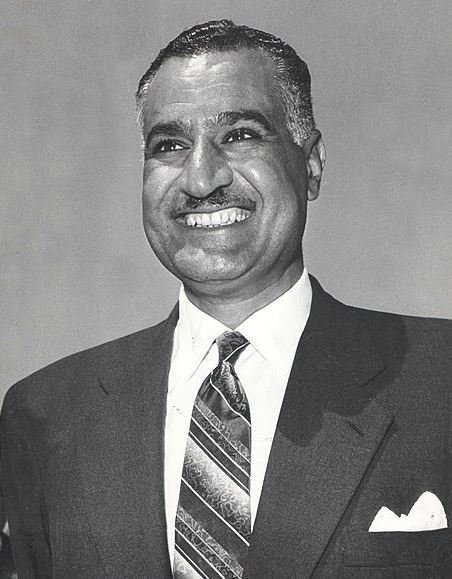
Image: A 1962 picture of Gamal Abdel Nasser.
Why was the UAR created?
The UAR was created in response to strong pan-Arab sentiment, particularly in Syria, where fears of Communist influence and political instability prompted leaders to seek union with Egypt.
What territories were included in the UAR?
The UAR included Egypt, Syria, and the Gaza Strip, which was under Egyptian administration at the time.
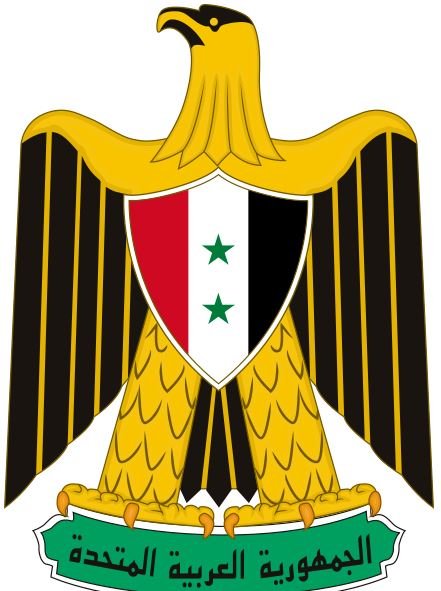
Image: Coat of arms used by the United Arab Republic.
What challenges did the UAR face?
The UAR faced significant challenges, including Syrian resentment over Egypt’s dominance, disruption of Syria’s economy due to Egyptian-style reforms, and the marginalization of Syrian leaders in governance.
What led to the dissolution of the UAR?
Mounting dissatisfaction in Syria over Egyptian control and centralized policies culminated in a coup d’état in 1961, leading to Syria’s secession from the union.
What happened to the UAR after Syria’s secession?
After Syria’s withdrawal, Egypt retained the name United Arab Republic until 1971, though the political union no longer existed.
What is the significance of the UAR in Arab history?
The UAR is a key chapter in Arab nationalism, highlighting the challenges of political unity among diverse Arab nations and the complexities of merging distinct political systems.





