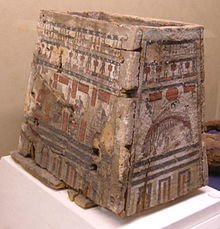
Ancient Egyptians often placed small figurines of their maidservants, beloved pets, slaves and bodyguards and among others in the tomb of the dead. Their goal was to replicate the living conditions of dead in the afterlife; thus those items were meant to serve the dead. Image: Ushabti box at the Rosicrucian Egyptian Museum, California, U.S.
In the grand tapestry of ancient Egyptian beliefs, one particularly fascinating concept stands out: the idea of an afterlife workforce. Central to this notion were shabti dolls (also called ushabtis or shawabtis), small figurines buried alongside the dead.
These dolls were believed to serve their masters in the afterlife, performing laborious tasks on their behalf so the deceased could enjoy an eternity of leisure.
To fully understand the significance of shabti dolls, World History Edu delves into their history, symbolism, craftsmanship, and role within the broader framework of ancient Egyptian religious beliefs.
Origins and Evolution of Shabti Dolls
Shabti dolls first appeared during Egypt’s Middle Kingdom (around 21st to 17th centuries BCE), though their use became more widespread in the New Kingdom (circa 1550–1070 BCE) and persisted into the Late Period. These small figures were made from a variety of materials, including clay, wood, stone, and faience (a type of glazed ceramic).
Initially, shabtis were relatively simple in design, resembling human figures with minimal detail. However, over time, they evolved to include more intricate features and inscriptions.
The purpose of shabtis was directly connected to the Egyptian belief in the afterlife. Ancient Egyptians believed that life continued after death in a realm called the “Field of Reeds,” a place mirroring the physical world but imbued with divine perfection.
To ensure their comfort and ease in the afterlife, Egyptians included various provisions in tombs, such as food, furniture, and even workers in the form of shabti dolls. The dolls were intended to serve the deceased by performing the manual labor they would otherwise be required to do in the afterlife, such as farming and irrigation, tasks believed to be essential for maintaining the sustenance and prosperity of the deceased.
Symbolism and Religious Significance of Ushabti

Ushabti Figurine, Albert Hall Museum, India
The role of shabti dolls is deeply intertwined with ancient Egyptian religious thought, particularly the concept of the afterlife and the judgment of the dead.
According to Egyptian beliefs, after a person died, their soul would face a trial in the Hall of Two Truths, where the heart was weighed against the feather of Ma’at, the goddess of truth and justice. If the heart was found to be lighter than the feather, the deceased was granted eternal life in the Field of Reeds. However, eternal life came with responsibilities, and the gods would expect the deceased to contribute to the afterlife’s functioning by working the land.
Shabti dolls were crafted to take on this burden. The figurines were typically inscribed with spells from the “Book of the Dead,” a collection of funerary texts intended to guide the deceased through the afterlife. The most common inscription found on shabti dolls is the Shabti Formula (Spell 6 from the Book of the Dead), which was designed to activate the dolls and instruct them to perform any labor that might be demanded of the deceased. This spell was often inscribed on the torso of the figurines and could vary in length and detail depending on the wealth and status of the deceased.
By invoking these spells, the ancient Egyptians believed they could avoid the toil of manual labor in the afterlife, allowing the shabtis to act as stand-ins. In some cases, large numbers of shabti dolls were buried with the dead—sometimes even 365 figurines, one for each day of the year, and an additional 36 overseer figures to manage the workers. This ensured that the deceased had a complete workforce at their disposal, ready to handle any task the gods might assign.
Craftsmanship and Variations

Memphis, 500 BC – Group of ushabti funerary servant figures dedicated to Neferibreheb, Louvre-Lens, France
The craftsmanship of shabti dolls varied widely depending on the time period, the wealth of the deceased, and the intended purpose of the figurines. Early shabtis were quite simple, often made from clay or wood, and lacked detailed features. These early versions were more symbolic than functional, acting as rudimentary representations of servants.
As time progressed, shabtis became more elaborate, reflecting the growing importance of these figures in burial practices. By the New Kingdom, shabtis were often crafted from faience, a vibrant, glazed ceramic material that allowed for detailed sculpting and bright colors.
Some shabtis were highly detailed, with finely carved facial features, intricate clothing patterns, and carefully inscribed hieroglyphic texts.
Some shabtis were made from more luxurious materials, such as alabaster, limestone, or even precious metals like gold. The choice of material often reflected the wealth and status of the deceased, with more elaborate and finely crafted shabtis being reserved for high-ranking individuals.
In terms of design, shabtis were typically depicted as mummified figures, with their arms crossed over their chest holding farming tools such as hoes, baskets, or flails. This imagery reinforced their role as laborers in the afterlife. However, there was significant variation in the level of detail and craftsmanship.
Some shabtis were highly detailed, with finely carved facial features, intricate clothing patterns, and carefully inscribed hieroglyphic texts. Others were more generic, with minimal detailing and simple inscriptions.
Overseer shabtis, which became common in the later periods, were often depicted differently. These figures were shown wearing non-mummified attire, sometimes holding whips or staffs to signify their authority over the worker shabtis. The presence of overseers among the shabti figurines emphasized the importance of organization and hierarchy, even in the afterlife.
The Function of Shabtis in Tombs

Over time, the craftsmanship, symbolism, and role of shabti dolls evolved, mirroring broader changes in Egyptian society and religious thought. Image: Ushabti of pharaoh Taharqa from the 25th Dynasty
The inclusion of shabti dolls in tombs was not merely symbolic; it reflected a deep-seated belief in the practical need for labor in the afterlife. Tombs served as the eternal home of the deceased, and Egyptians took great care in preparing them with all the necessities for a comfortable afterlife. Shabti dolls were an essential part of this preparation, ensuring that the deceased would have a ready workforce to perform any required tasks.
In some tombs, particularly those of the wealthy and powerful, hundreds of shabti dolls were placed to create a comprehensive workforce. These figurines were often arranged in rows or placed in specialized containers, such as shabti boxes or chests, which were also inscribed with protective spells and symbols.
The sheer number of shabtis in some tombs highlights the importance placed on ensuring that the deceased would not have to labor in the afterlife, as well as the belief in a highly organized, almost bureaucratic afterlife.
Interestingly, shabtis were not always included in every burial. In some periods or regions of Egypt, the practice of including shabti dolls was less common, suggesting that beliefs about the afterlife and the need for labor may have varied across time and place. Nonetheless, for those who did include shabtis in their tombs, the figurines were seen as essential companions on the journey to the afterlife.
Shabtis and Social Status
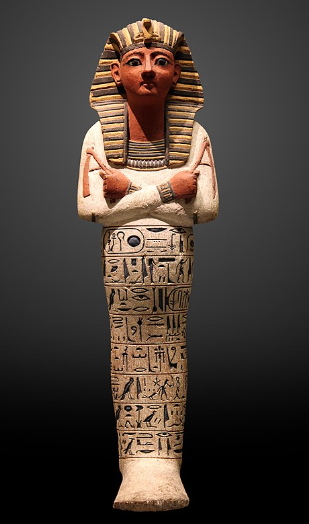
Ushabti of pharaoh Ramesses IV of the New Kingdom
The quality and quantity of shabti dolls included in a burial often reflected the social status of the deceased. Wealthier individuals could afford larger numbers of shabtis, as well as more finely crafted and detailed figurines. High-ranking officials and royalty, in particular, were often buried with extensive collections of shabtis, sometimes numbering in the hundreds.
For example, the tomb of Pharaoh Seti I (r. 1290–1279 BCE) contained over 400 shabti figurines, each meticulously crafted and inscribed with detailed spells.
In contrast, burials of lower-status individuals typically contained fewer shabtis, and the figurines were often simpler in design and made from less expensive materials. This disparity in burial goods reflects the broader social stratification of ancient Egyptian society, where the elite enjoyed greater privileges both in life and in death.
In some cases, particularly during the Third Intermediate Period (c. 1069–664 BCE), shabti dolls were mass-produced, leading to a decline in the overall quality of the figurines. This mass production allowed even individuals of modest means to include shabtis in their burials, though these cheaper, less detailed figures lacked the craftsmanship of earlier periods.
Despite this decline in quality, the symbolic importance of shabti dolls remained intact, with their primary function of serving the deceased in the afterlife continuing to be a central aspect of Egyptian funerary practices.
Changes in the Role of Shabti Dolls Over Time
Over the course of Egyptian history, the role of shabti dolls evolved alongside changes in religious and funerary practices. In the earliest periods, shabti dolls were relatively rare and simple, acting as symbolic representations of servants or laborers. However, by the New Kingdom, the role of shabtis had become more formalized, with the figurines taking on a clearly defined role as substitutes for the deceased in the afterlife.
The inclusion of overseer shabtis, as mentioned earlier, reflects a growing complexity in the way Egyptians viewed the afterlife. By delegating authority to overseers, the Egyptians created a miniature version of their own society, complete with workers and supervisors, to accompany the deceased into eternity.
In the later periods of Egyptian history, particularly during the Late Period (664–332 BCE), the use of shabtis declined somewhat, and the figurines became more standardized in appearance and function. This period also saw a shift in burial practices, with greater emphasis placed on the protection and preservation of the body through mummification and the use of elaborate coffins and sarcophagi. While shabtis remained an important part of the burial assemblage, their role became less central as other aspects of funerary practice took precedence.
Shabti Dolls and Modern Archaeology
The discovery of shabti dolls in tombs across Egypt has provided modern archaeologists with valuable insights into ancient Egyptian beliefs and practices. Shabtis are among the most common artifacts found in Egyptian tombs, and their widespread use across different time periods and regions of Egypt makes them an important resource for understanding the evolution of Egyptian funerary practices.
In addition to their religious and cultural significance, shabti dolls also offer clues about the social and economic conditions of ancient Egypt. The materials and craftsmanship of the figurines can reveal information about the wealth and status of the deceased, while the inscriptions provide valuable insights into the religious texts and spells that were important to the Egyptians.
Many of the most famous collections of shabti dolls are housed in museums around the world, where they continue to captivate scholars and the public alike. These small figurines offer a tangible connection to the ancient Egyptians’ beliefs about life, death, and the afterlife, providing a window into a world where the boundaries between the mortal and the divine were fluid and ever-present.
Frequently Asked Questions about Ushabti

Today, these small figurines remain powerful symbols of the ancient Egyptian view of the afterlife, offering modern scholars a wealth of information about one of history’s most remarkable civilizations. Image: Four ushabtis of the Egyptian artisan Khabekhnet with their box, 1279–1213 BCE; painted limestone, 16.7 cm tall; Metropolitan Museum of Art.
What did the ancient Egyptians believe about the afterlife?
The Egyptians believed that the afterlife was a mirror image of life on earth. When a person died, their journey continued in the eternal realm, and they were judged by Osiris and the Forty-Two Judges. If their heart was found to be light, symbolizing a good life, they passed into the paradise known as the Field of Reeds, where they were reunited with loved ones and regained all they had lost in life.
How was a person judged in the afterlife according to Egyptian beliefs?
In the afterlife, the soul stood before Osiris in the Hall of Truth for the “weighing of the heart.” If the person had lived a worthy life, their heart would be lighter than the feather of Ma’at, symbolizing truth and justice, allowing them to enter the Field of Reeds.

As symbolic servants meant to perform labor for the deceased in the afterlife, Shabti Dolls reflect the Egyptians’ desire for eternal comfort and their understanding of life after death. Image: Shabti Doll of Amenemhat (18th Dynasty)
What did the Egyptians believe the Field of Reeds was like?
The Field of Reeds was considered a perfect version of life on earth. In this paradise, the deceased would find their home, loved ones, favorite possessions, and pets waiting for them. There were gatherings with family and friends, plenty of food and beer, and one could enjoy the same hobbies they had during life.
Did Egyptians believe there was work in the afterlife?
Yes, the Egyptians believed that work continued in the afterlife. Just as on earth, the community valued labor and harmony, known as ma’at, and people were expected to contribute to the greater good. However, shabti dolls were used to take on the work for the deceased in the afterlife.
What were shabti dolls and what purpose did they serve?
Shabti dolls were funerary figures placed in tombs to serve the deceased in the afterlife. They were believed to come to life and perform labor on behalf of the deceased, such as farming or building. Each shabti was inscribed with a spell called the shabti formula that activated the doll to work when needed.
Where does the name “shabti” come from?
The name “shabti” comes from the Egyptian word swb, meaning “stick,” and it also corresponds to the word wsb, meaning “answer.” Shabtis were called “The Answerers” because they answered the call to work for the deceased in the afterlife.
What was the shabti formula, and what was its significance?
The shabti formula was a spell inscribed on the figurines, instructing them to perform specific tasks. The most famous is Spell 472 from the Coffin Texts, which assigned the shabti to labor for the deceased, particularly in farming or other public works. When recited by the deceased, this spell would animate the shabti to take over their duties in the afterlife.
How were shabti dolls made, and what determined their design?
Shabti dolls were hand-carved from materials like wood, stone, or faience. Their design reflected the tasks they were meant to perform, such as holding farming tools if their role was in agriculture. The more shabtis a person could afford, the wealthier they were, and the more leisure time they could expect in the afterlife.
What role did overseer dolls play, and how did they evolve over time?
Overseer dolls, introduced during the Third Intermediate Period, were responsible for managing groups of worker shabtis. They were depicted holding whips and were in charge of ten worker shabtis. By the Late Period, the overseer dolls disappeared, and the shabtis resumed their original function as workers without needing supervision.
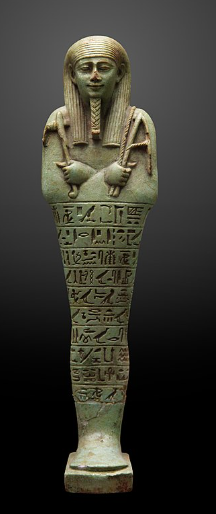
Shabti dolls serve as a fascinating glimpse into the religious beliefs, societal values, and burial practices of ancient Egypt. Image: Ushabti of a priest in the 30th Dynasty
How do archaeologists use shabti dolls to understand Egyptian society?
Archaeologists examine the number and quality of shabti dolls found in tombs to gauge the wealth and status of the deceased. Wealthier individuals often had more shabtis, with intricate carvings and fine materials. This provides insight into the social and economic conditions of ancient Egypt.
Were shabti dolls only for the wealthy, or were they used by all classes?
Shabti dolls were found in the tombs of people from all social classes, from commoners to royalty. While the quality and number of dolls varied depending on wealth, even modest tombs contained one or two shabtis. The rich could afford large numbers of shabtis, which reflected their status and comfort in the afterlife.
How did shabti dolls reflect the concept of equality in death?
Despite differences in social status, everyone was expected to serve Osiris in the afterlife. However, wealthier individuals could afford more shabtis to perform their duties, allowing them more leisure. In this way, shabti dolls reflected both the equality and hierarchy that existed in ancient Egyptian beliefs about death and the afterlife.





