What brought about the Sugar Act in 1764?
The Sugar Act of 1764, also known as the American Revenue Act, was a significant legislative measure enacted by the British Parliament to address pressing financial needs following the costly Seven Years’ War (1756–1763). Designed as a revenue-raising mechanism, the act had far-reaching economic and political consequences, ultimately serving as one of the catalysts for the American Revolution.
Background: Economic Context and Colonial Trade
During the 18th century, the British colonies in North America enjoyed a relatively autonomous economic environment, facilitated by Britain’s policy of salutary neglect. This laissez-faire approach allowed colonial merchants to engage in trade practices that often circumvented British trade regulations, including widespread smuggling of molasses—a key ingredient for rum production.
The Molasses Act of 1733 was an earlier attempt to regulate colonial trade and protect British West Indian sugar producers from competition with cheaper molasses from French, Dutch, and Spanish colonies. The act imposed a prohibitively high tax of six pence per gallon on non-British molasses, but enforcement was lax, allowing smuggling and bribery to flourish. Colonists in New England, where the rum industry thrived, depended heavily on this illicit trade to sustain their economy.
However, the conclusion of the Seven Years’ War in 1763 marked a turning point in British colonial policy. Britain emerged victorious but burdened by an enormous national debt, which had ballooned from £75 million before the war to over £130 million by 1764.
The British government also decided to maintain a standing army of 10,000 troops in North America to defend its expanded territories and prevent future conflicts, such as Pontiac’s Rebellion, which erupted in the Ohio Valley in 1763. Prime Minister George Grenville sought to offset these costs by implementing a series of revenue-raising measures targeting the colonies, including the Sugar Act.

The 1764 Sugar Act, aimed at raising revenue, fueled tensions leading to the American Revolution.
Passage of the Sugar Act
The Sugar Act was passed by Parliament on April 5, 1764, and became one of the first attempts to directly raise revenue from the colonies rather than merely regulate trade. Unlike the Molasses Act, which was designed to control commerce and protect British interests in the Caribbean, the Sugar Act aimed to generate funds for the British treasury.
The act had several key provisions:
- Reduced Duty on Molasses: The tax on foreign molasses was lowered from six pence to three pence per gallon. This reduction was intended to encourage compliance by making the tax more affordable and enforceable.
- Increased Customs Enforcement: Customs officials were granted broader powers to inspect cargoes and enforce compliance. Ship captains were required to submit detailed manifests, and violations were tried in vice admiralty courts, which operated without juries, bypassing colonial legal systems.
- Restricted Exports: Certain goods, such as lumber, could only be exported to Britain, further restricting colonial trade options.
- Revenue Objective: Unlike the Molasses Act, which primarily regulated trade, the Sugar Act explicitly aimed to raise revenue for Britain to offset the costs of colonial defense and administration.
Economic Impact on the Colonies
The Sugar Act arrived at a time of economic hardship in the colonies. The end of the Seven Years’ War had disrupted wartime trade, leading to an economic downturn. The stricter enforcement of customs regulations under the Sugar Act further exacerbated these challenges.
- Disruption of Smuggling: Smugglers who had evaded the Molasses Act now faced increased risks under the Sugar Act’s tighter enforcement measures. Many New England merchants, whose businesses depended on imported molasses for rum production, faced higher costs and reduced profit margins.
- Economic Contraction: The reduced profitability of the rum industry and the constraints on colonial exports caused economic difficulties, particularly in port cities like Boston. Colonists feared being priced out of international markets due to higher production costs.
- Currency Shortages: The act’s enforcement depleted colonial reserves of hard currency (specie), which was already in short supply. This undermined the stability of colonial economies and currencies, adding to the financial strain.
Political Reactions and Colonial Resistance
While the Sugar Act primarily affected merchants and shippers, its broader implications galvanized political resistance. Colonists viewed the act as a violation of their rights, arguing that taxation without representation in Parliament was unjust.
- “No Taxation Without Representation”: The colonists believed that, as British subjects, they could not be taxed without their consent, which was traditionally provided through elected representatives. Since the colonies had no representation in Parliament, the act was seen as unconstitutional.
- Key Critics: Prominent colonial leaders, such as Samuel Adams and James Otis, emerged as vocal critics of the act. In a report for the Massachusetts Assembly, Adams argued that the Sugar Act struck at the very heart of colonial self-governance, reducing colonists to “tributary slaves.”
- Boycotts and Petitions: In August 1764, Boston merchants organized a boycott of British luxury goods to pressure Parliament into repealing the act. Similar protests spread to other colonial cities, though these actions were relatively mild compared to later resistance movements.
- Rise of Colonial Unity: The opposition to the Sugar Act marked one of the first instances of organized colonial resistance to British taxation policies, setting the stage for broader unity against future measures like the Stamp Act of 1765.
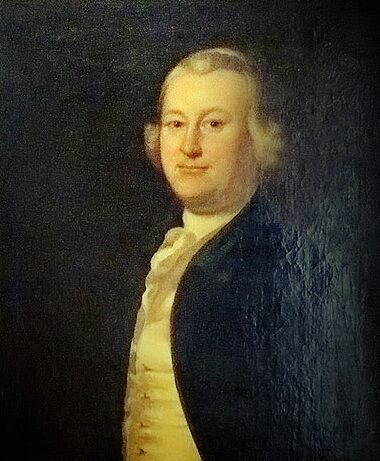
Image: James Otis
Broader Implications and Legacy
The Sugar Act was more than just a tax on molasses; it represented a shift in Britain’s colonial policy. By explicitly aiming to raise revenue from the colonies, the act departed from the earlier tradition of salutary neglect and introduced a more assertive approach to colonial governance.
- Erosion of Trust: The increased enforcement of customs regulations and the use of vice admiralty courts alienated colonists, who saw these measures as infringements on their legal and economic rights.
- Catalyst for Revolution: Although initial protests against the Sugar Act were relatively limited, the act laid the groundwork for future resistance. It highlighted the growing disconnect between Britain and its colonies, as colonists began to question the legitimacy of parliamentary authority over their affairs.
- Precedent for Future Taxation: The Sugar Act was a precursor to more contentious measures, such as the Stamp Act, which would provoke widespread protests and escalate tensions between Britain and the colonies.
Repeal and Replacement
The Sugar Act was ultimately repealed in 1766, following intense colonial opposition and economic pressure. It was replaced by the Revenue Act of 1766, which reduced the molasses tax to one penny per gallon. This repeal coincided with the repeal of the Stamp Act, reflecting the success of colonial protests and boycotts.
However, the repeal did not resolve the underlying tensions. Parliament’s assertion of its right to tax the colonies without their consent remained a contentious issue, fueling the broader movement toward revolution.

Great Britain enacted the Sugar Act to manage war debt and colonial defense.
Historical Significance
The Sugar Act holds a pivotal place in American history as one of the early causes of the American Revolution. Its significance lies in its role as a catalyst for colonial resistance and as a symbol of the larger conflict between Britain’s imperial ambitions and the colonies’ desire for self-governance.
- Economic Consequences: The act disrupted colonial trade and created widespread economic hardship, particularly in New England, where the rum industry was a cornerstone of the economy.
- Political Awakening: The act helped awaken colonial consciousness about issues of taxation, representation, and governance, fostering a sense of shared grievance that transcended regional differences.
- Unified Opposition: The protests against the Sugar Act demonstrated the potential for colonial unity, paving the way for collective action against British policies.
- Prelude to Revolution: By challenging Britain’s authority to impose taxes without representation, the Sugar Act set a precedent for the resistance that culminated in the American Revolution.
Conclusion
The Sugar Act of 1764 was more than just a tax on molasses; it was a turning point in the relationship between Britain and its American colonies. While it sought to address Britain’s financial needs, it inadvertently sowed the seeds of rebellion by uniting colonists against perceived injustices.
Frequently Asked Questions
How did the Sugar Act differ from the Molasses Act of 1733?
Unlike the Molasses Act, which set a high tax to discourage trade with non-British territories, the Sugar Act reduced the tax rate from six pence to three pence but enforced compliance more strictly, shifting the focus from trade regulation to revenue generation.
What goods were affected by the Sugar Act?
The act primarily taxed molasses but also restricted the export of goods such as lumber and imposed regulations to ensure certain items could only be sent to Britain.
Why did the British government introduce the Sugar Act?
Britain introduced the act to address the massive debt incurred during the Seven Years’ War and to offset the costs of maintaining a standing army in the colonies for defense and control.
What role did George Grenville play in the Sugar Act?
Prime Minister George Grenville was instrumental in devising the Sugar Act as part of a broader program to raise revenue from the colonies and fund British military expenses.

Image: George Grenville. Portrait by British painter William Hoare.
How did colonists react to the Sugar Act?
Colonists viewed the act as an infringement on their rights, arguing it violated the principle of “No taxation without representation.” Merchants and shippers, especially in New England, opposed the law due to its economic impact on trade.
What economic impact did the Sugar Act have on the colonies?
The act disrupted smuggling operations, raised costs for merchants, reduced profits in the rum industry, and drained colonial reserves of hard currency, destabilizing local economies.
Who were the prominent critics of the Sugar Act?
Key figures like Samuel Adams and James Otis criticized the act. Adams argued it undermined colonial self-governance, while Otis denounced the lack of colonial representation in Parliament.

Image: Samuel Adams (1722 – 1803)
What actions did colonists take to oppose the Sugar Act?
Colonists organized boycotts of British luxury goods, drafted petitions, and staged protests to pressure Parliament into repealing the act. Merchants in Boston and New York also supported efforts to promote colonial manufacturing.
Why was the Sugar Act considered a shift in British colonial policy?
The Sugar Act marked a departure from trade regulation to revenue generation, signifying a shift from Britain’s earlier policy of “salutary neglect” to tighter control over colonial economics and governance.
When and why was the Sugar Act repealed?
The Sugar Act was repealed in 1766 due to widespread colonial protests and economic pressure. It was replaced with the Revenue Act of 1766, which further reduced the tax on molasses.
What was the significance of the Sugar Act in the lead-up to the American Revolution?
The Sugar Act served as a catalyst for organized colonial resistance. It highlighted the growing tension over British taxation policies and set a precedent for future opposition, ultimately contributing to the American Revolution.
How did the Sugar Act affect the relationship between Britain and the colonies?
The act strained relations by eroding trust and intensifying resentment. Colonists viewed the act as evidence of Britain’s disregard for their rights, fueling broader opposition to British rule and sowing the seeds of revolution.





