What is the Old Testament Pseudepigrapha?
The Old Testament Pseudepigrapha refers to a collection of ancient writings that, while not considered canonical by most Jewish or Christian traditions, are related to the Hebrew Bible (Old Testament) in themes, figures, and style. These texts were typically written between the 3rd century BCE and the 3rd century CE and include a wide array of literary genres, including apocalyptic literature, wisdom writings, psalms, prayers, expansions of biblical narratives, and testaments. They are primarily of Jewish origin but also reflect early Christian influences, especially in later works.
The term “Pseudepigrapha” comes from the Greek word pseudepigraphos, meaning “falsely ascribed,” because many of these works are attributed to biblical figures such as Adam, Enoch, Abraham, Moses, and others, though their actual authorship is unknown or clearly not by those figures. The attribution to famous biblical characters was a common literary practice of the time, intended to lend authority to the texts.
The Pseudepigrapha is distinct from the Apocrypha, another set of texts associated with the Old Testament. While the Apocrypha consists of writings included in the Septuagint (the Greek translation of the Hebrew Bible) and regarded as canonical by some Christian traditions (e.g., Catholic and Orthodox churches), the Pseudepigrapha is not part of any standard biblical canon.
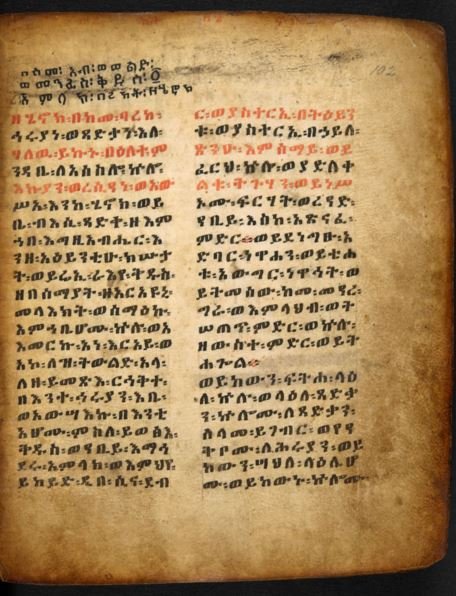
The beginning of the Ethiopic Enoch as found in a 16th-century manuscript.
Historical Context
The Pseudepigrapha emerged during the Second Temple period (circa 516 BCE–70 CE), a time of significant religious and cultural development in Jewish history. This era saw the rise of various Jewish sects, such as the Pharisees, Sadducees, and Essenes, as well as heightened messianic expectations. The destruction of the First Temple, the Babylonian exile, and the subsequent return to Judah under Persian rule had profound effects on Jewish thought and literature.
The Old Testament Pseudepigrapha refers to non-canonical Jewish and Christian writings from approximately the 5th century BCE to the 9th century CE.
The influences of Hellenistic culture following Alexander the Great’s conquests also contributed to the diversity of Jewish writings. Themes of apocalypticism, eschatology, and dualism found in some Pseudepigraphal works reflect this period’s interaction between Jewish traditions and broader cultural currents.
Apocalyptic Literature
Apocalyptic texts reveal divine secrets about the end of the world, the final judgment, and the ultimate destiny of humanity. These writings often feature visions, angelic intermediaries, and symbolic imagery. They aim to provide hope to oppressed communities by affirming God’s ultimate sovereignty.
- 1 Enoch: A composite work attributed to Enoch, the seventh generation from Adam, this text includes sections like the Book of Watchers, Book of Parables, and Astronomical Book. It explores themes such as the fall of the Watchers (angels), the origin of evil, and the final judgment.
- 2 Baruch: Also called the Syriac Apocalypse of Baruch, this work reflects on the destruction of Jerusalem and envisions the coming of a messianic age.
- 4 Ezra: Known in Christian traditions as 2 Esdras, this apocalyptic text deals with questions of divine justice and the fate of Israel.
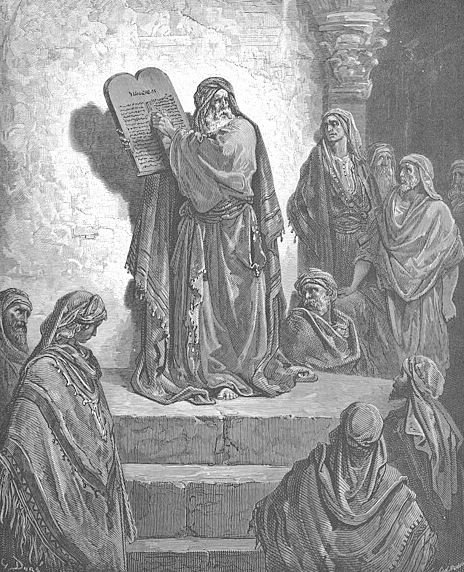
“Ezra Reads the Law to the People”, a painting by French artist Gustave Doré.
Expansions of Biblical Narratives
Some Pseudepigraphal works expand upon or reinterpret stories from the Hebrew Bible, often filling in gaps or providing additional details.
- Jubilees: Also called the Little Genesis, this work retells the stories of Genesis and parts of Exodus, emphasizing a strict interpretation of the Mosaic Law and the role of angels in mediating divine revelation.
- The Lives of Adam and Eve: This text elaborates on the story of Adam and Eve after their expulsion from Eden, including their repentance and eventual deaths.
- The Testament of Moses: This work presents Moses’ final words and prophecies to Israel before his death.
Testaments and Ethical Writings
The “testament” genre typically features a biblical patriarch giving ethical instructions, prophecies, or blessings to his descendants.
- The Testaments of the Twelve Patriarchs: Each patriarch (e.g., Reuben, Levi, Judah) delivers a farewell address, emphasizing moral teachings, eschatological prophecies, and warnings against sin.
- The Testament of Abraham: This text portrays Abraham’s journey to the afterlife and explores themes of divine judgment.
Wisdom and Philosophical Texts
These works reflect on the nature of wisdom, divine justice, and the moral order of the world.
- The Wisdom of Solomon: A Hellenistic Jewish text that blends Greek philosophy with Jewish theology, emphasizing the pursuit of wisdom and the immortality of the soul.
- Psalms of Solomon: A collection of 18 psalms that lament the fall of Jerusalem and express hope for the coming of a messianic figure.
Prayers and Psalms
These writings often take the form of hymns, prayers, or lamentations, expressing devotion, repentance, or trust in God.
- The Prayer of Manasseh: A penitential prayer attributed to the wicked king Manasseh of Judah, who repents and seeks God’s mercy.
- The Odes of Solomon: A collection of hymns celebrating themes of salvation, resurrection, and divine love.
Miscellaneous Works
Some texts defy easy categorization but remain significant for their historical and theological insights.
- The Letter of Aristeas: This text recounts the origin of the Septuagint, presenting a legend about its translation under Ptolemy II Philadelphus.
- The Sibylline Oracles: A collection of prophetic writings attributed to a mythical Sibyl, blending Jewish, Christian, and pagan elements.
Themes and Theology
The Pseudepigrapha reflects a variety of theological and philosophical concerns:
Many texts express hope for a messianic figure who will restore Israel, establish justice, and inaugurate an era of peace.
Apocalyptic works envision the end of the current age and the establishment of God’s eternal kingdom.
Questions about theodicy (why the righteous suffer) and God’s justice are central to texts like 4 Ezra and 2 Baruch.
Works like 1 Enoch delve into the roles of angels and demons in the cosmos, often explaining the origins of evil and human suffering.
Many writings emphasize adherence to the Mosaic Law as central to maintaining a covenant relationship with God.
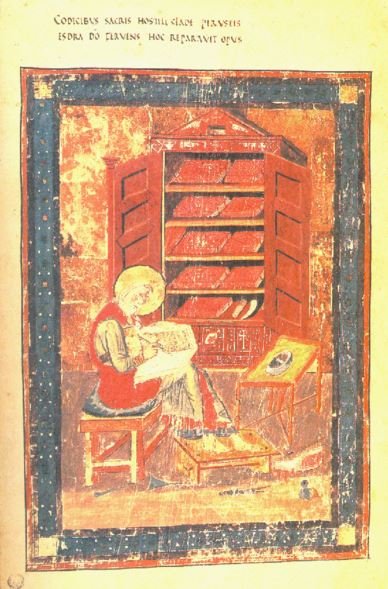
Ezra’s portrait.
Significance and Influence
The Pseudepigrapha provides invaluable insights into Jewish thought during the Second Temple period, revealing how Jewish communities grappled with questions of identity, suffering, and divine purpose. These texts also influenced early Christian theology, particularly in their eschatological and messianic themes. For example, 1 Enoch significantly shaped New Testament writings, including the Epistle of Jude, which directly quotes it.
The Pseudepigrapha illustrates the theological diversity and cultural exchanges that shaped early Judaism and Christianity.
While the Pseudepigrapha was not included in the Jewish or Christian canons, its themes resonate with later theological developments. The Pseudepigraphal texts were preserved by various groups, including early Christian communities, and were rediscovered in modern times through archaeological finds like the Dead Sea Scrolls.
Modern Study of the Pseudepigrapha
Scholars study the Pseudepigrapha to understand the cultural, historical, and religious contexts of ancient Judaism and early Christianity. Critical editions and translations, such as The Old Testament Pseudepigrapha edited by James H. Charlesworth, have made these texts accessible to a wider audience.
The Pseudepigrapha also raises questions about authorship, authority, and the formation of biblical canons. By examining these works, scholars can trace the development of key theological concepts and the diverse expressions of Jewish and Christian thought.
Questions and answers
What does the term “Pseudepigrapha” mean?
The term “Pseudepigrapha” comes from a Greek word meaning “falsely attributed,” reflecting the practice of ascribing these writings to prominent biblical figures, even though their actual authorship is unknown.
How is the Old Testament Pseudepigrapha defined?
The Old Testament Pseudepigrapha lacks a precise definition, but James H. Charlesworth suggests five broad criteria: they are of Jewish or Christian origin, attributed to significant biblical figures, claim to contain divine revelations, expand on Old Testament narratives, and were written between 200 BCE and 200 CE or preserve older traditions.
Why is there debate about what qualifies as Pseudepigrapha?
The term “Pseudepigrapha” functions as a loose framework rather than a rigid category, leading to ongoing debates about which texts should be included and whether the term itself is suitable for such diverse writings.
What was the role of pseudonymous authorship in antiquity?
In antiquity, attributing a text to a biblical figure lent it authority, even if the actual author was unknown. For example, 2 Baruch claims to be authored by Baruch, a scribe of Jeremiah, though it was written much later, in the 2nd century CE.
Why is the study of authorship in the Pseudepigrapha significant?
Studying the worldview and context of the anonymous scribes who wrote these texts provides insight into the historical and cultural situations that shaped early Jewish and Christian thought.
What historical value does the Pseudepigrapha hold?
The Pseudepigrapha reflects diverse perspectives of Jewish and Christian communities, capturing their responses to historical events, theological questions, and socio-religious challenges. It also shows how biblical narratives were adapted to new circumstances.
What are the Sibylline Oracles, and why are they significant?
The Sibylline Oracles are Jewish reinterpretations of the Greek prophetic tradition, recasting the Sibyl as Noah’s daughter. They demonstrate how Jewish scribes adopted non-Jewish traditions and reveal shifts in Jewish self-perception over time.
How do the Sibylline Oracles reflect historical changes?
One oracle envisions universal divine blessings, while another restricts blessings to the righteous in Israel. These shifts reflect changing Jewish perspectives, especially after events like the destruction of the Second Temple and the Bar Kokhba Revolt.
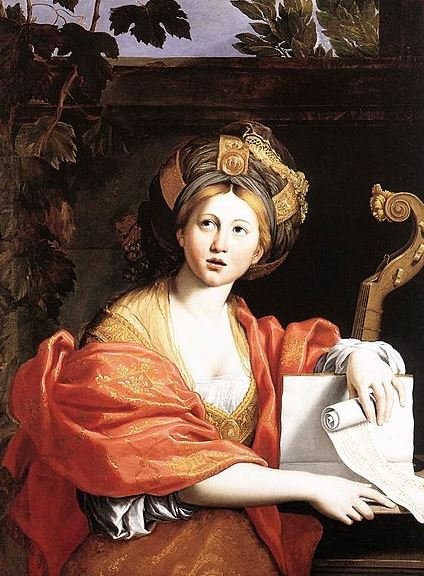
“A Sibyl”, artwork by Italian painter Domenichino
What is 1 Enoch, and why is it important?
1 Enoch is a composite text attributed to Enoch that explores themes like divine judgment and cosmic secrets. It influenced later texts like 2 Enoch and 3 Enoch and significantly shaped Christian apocalyptic literature.
What is the Book of Jubilees, and what does it emphasize?
The Book of Jubilees retells Genesis and Exodus, emphasizing strict Mosaic law observance. Written during the Maccabean period, it reflects resistance to Hellenistic influences and aligns with the Essene sect’s focus on purity.
What is the Testament of the Twelve Patriarchs?
This text contains moral teachings, reflections, and prophecies from Jacob’s sons. It highlights the diversity of pre-Maccabean Judaism and the integration of Hellenistic ideas into Jewish traditions.
What is the Treatise of Shem, and what does it reveal?
The Treatise of Shem is an astrological text showing how Jewish scribes integrated the zodiac into their worldview, providing insights into Jewish-Hellenistic interactions and early Jewish engagement with astrology.





