What Was the Holodomor, and How Does It Influence Ukrainian Resistance Today?
If you want to understand the strength of Ukrainian resistance today, you have to go back to one of the darkest chapters in the nation’s history—the Holodomor. It’s not just a historical event; for many Ukrainians, it’s a national trauma that still shapes their identity and their fierce determination to never be ruled by Moscow again.
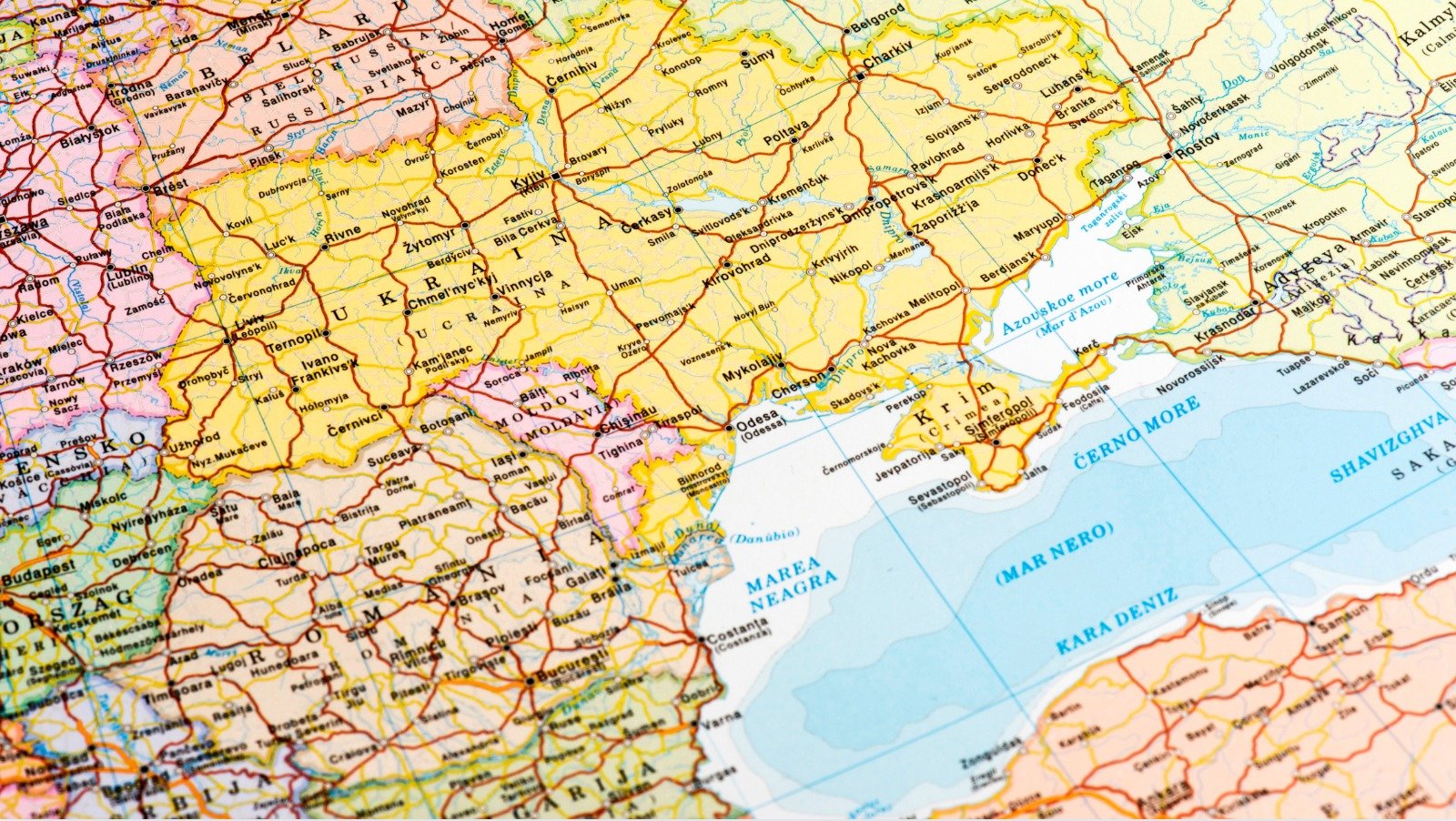
Ukraine’s geographic and political position made it a tragic target of Stalin’s deadly policies in the 1930s.
What Was the Holodomor?
The word “Holodomor” comes from Ukrainian: holod (hunger) and moryty (to kill). That pretty much says it all.
Between 1932 and 1933, millions of Ukrainians died in a man-made famine under Joseph Stalin’s Soviet regime. It wasn’t caused by natural disaster or crop failure—it was caused by brutal policies.
Stalin wanted to crush Ukrainian nationalism and resistance to his collectivization campaign. Farmers were forced to give up their land, livestock, and crops to the state. Grain was seized, quotas were impossible, and punishment was swift. Entire villages were left to starve.
Estimates vary, but most historians agree that between 3 and 5 million people died during the Holodomor. Some scholars and over a dozen countries recognize it as a genocide—a deliberate attempt to wipe out the Ukrainian people.
The Silence and the Survival
For decades, the Holodomor wasn’t openly talked about. The Soviet Union denied it ever happened. Survivors were silenced, and the archives were sealed. But within families and local communities, the memory lived on—quietly, painfully.
“The Holodomor didn’t just starve Ukraine—it fed a fire that still burns in its fight for freedom today.”
That silence became part of the trauma. And once Ukraine gained independence in 1991, one of the first things it did was start talking about what happened. Museums were opened. Memorials were built. And every year, Ukraine holds a National Day of Remembrance for the victims.
Why It Still Matters Today
The Holodomor left deep emotional scars—and those scars are part of why Ukrainian resistance today is so strong.
When Ukrainians say they don’t want to be ruled by Moscow again, it’s not just political. It’s personal. It’s historical. They remember the suffering caused when decisions about their land, their food, and their future were made in the Kremlin—not in Kyiv.
This memory fuels a deep national desire for independence, democracy, and self-determination. It’s not just about joining the EU or NATO. It’s about making sure that something like the Holodomor never happens again.
A Battle Over Memory
Russia, to this day, does not recognize the Holodomor as a genocide. And that’s a huge part of the tension. For Ukrainians, denying what happened feels like erasing their pain and rewriting history.
The memory of the Holodomor is a moral dividing line. Ukraine remembers it as a reason to move forward, to protect its sovereignty, and to never trust a government that treats people like numbers. Russia, by denying or downplaying it, adds fuel to the fire.
Final Thoughts
The Holodomor is more than a tragedy—it’s a warning, a lesson, and a source of national resolve. That’s why, when the world asks why Ukrainians are fighting so hard for their land and their future, part of the answer lies in the hungry winters of 1932 and 1933.
Ukrainians have starved for freedom before. They’re not going back.





