Most Famous National Historic Landmarks in Philadelphia
Philadelphia, the birthplace of American democracy, is home to an impressive number of National Historic Landmarks (NHLs), each representing key moments in the nation’s history.
These landmarks tell the story of the American Revolution, the formation of the United States, and the evolution of the country into a global power. They also offer a glimpse into the rich cultural, scientific, and architectural history of the city.
In this comprehensive analysis, World History Edu explores the most famous National Historic Landmarks in Philadelphia, delving into their historical significance, architectural beauty, and the role they play in telling the story of America.
Independence Hall
Perhaps the most famous historic site in Philadelphia, Independence Hall is where both the Declaration of Independence and the U.S. Constitution were debated and adopted. Located at 520 Chestnut Street, this building was originally constructed between 1732 and 1753 as the Pennsylvania State House. Independence Hall served as the meeting place for the Second Continental Congress from 1775 to 1783, and the Constitutional Convention in 1787.
The Declaration of Independence, which announced the American colonies’ separation from Great Britain, was adopted here on July 4, 1776. Eleven years later, the U.S. Constitution was signed in the same room, creating a blueprint for the nation’s government. Today, Independence Hall is part of Independence National Historical Park and is a UNESCO World Heritage Site. Its iconic red brick Georgian architecture, combined with its profound historical significance, makes it one of the most visited and revered landmarks in the United States.

Independence Hall provides visitors with a unique opportunity to walk in the footsteps of some of the most important figures in American history. Image: Independence Hall.
Liberty Bell Center
The Liberty Bell, located adjacent to Independence Hall, is one of the most enduring symbols of American independence and liberty. The bell was originally cast in 1752 for the Pennsylvania State House but developed a crack soon after its arrival. After being recast twice, the bell hung in the State House until it became associated with the abolitionist movement in the 1830s.
The bell’s famous inscription, “Proclaim LIBERTY throughout all the Land unto all the Inhabitants thereof,” resonated with various movements, especially those advocating for freedom and equality, such as the anti-slavery movement and the fight for women’s suffrage. Although the Liberty Bell developed another crack in the 1840s that rendered it unusable, it continues to serve as a powerful symbol of freedom and justice. Visitors can see the bell at the Liberty Bell Center, where it is displayed with historical exhibits explaining its significance.
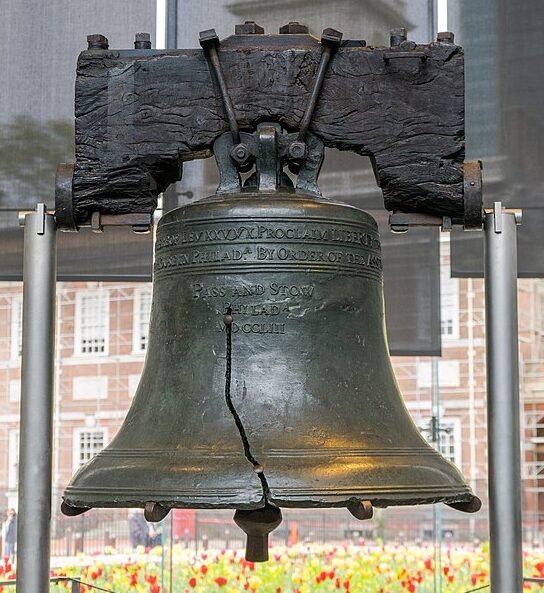
Image: Liberty Bell
Betsy Ross House
Legend holds that Betsy Ross, a Philadelphia seamstress, made the first American flag. Though the story is debated among historians, the Betsy Ross House has become an important historical site. Located at 239 Arch Street, this small house dates back to 1740 and is typical of Philadelphia’s colonial architecture.
Betsy Ross is said to have lived here while working as a seamstress, and it is believed that in June 1776, she was commissioned by George Washington and other leaders of the Continental Congress to create the first American flag. The house is now a museum, where visitors can learn about Ross’s life and work, the flag-making process, and the early years of the American Revolution. The house provides a personal glimpse into the life of a woman who is often mythologized in American history.

Image: Betsy Ross House
Elfreth’s Alley
Known as the oldest continuously inhabited residential street in America, Elfreth’s Alley dates back to 1702. The narrow, cobblestone street is lined with 32 houses built between 1728 and 1836, offering visitors a rare opportunity to experience what life was like in colonial Philadelphia. Named after blacksmith Jeremiah Elfreth, the alley was home to artisans and tradespeople who played a vital role in the city’s economy.
Today, many of the houses on Elfreth’s Alley are still private residences, but the street is also a National Historic Landmark. Visitors can explore the Elfreth’s Alley Museum, housed in two of the historic homes, to learn about the daily lives of the alley’s residents in the 18th and 19th centuries. This quaint street offers a unique look at early urban life in America, as well as the architectural styles that were popular in colonial Philadelphia.

Image: Elfreth’s Alley
Christ Church
Christ Church, located at 20 N. American Street, is one of the most historically significant churches in the United States. It was founded in 1695 as the first Anglican church in Pennsylvania and played a crucial role in the religious and political life of colonial America. The current building, completed in 1754, is a stunning example of Georgian architecture, with its tall spire and elegant interior.
Christ Church is notable for its congregation, which included many of America’s founding fathers, such as George Washington, Benjamin Franklin, and John Adams. The church’s vestry was a meeting place for revolutionary leaders, and it became a symbol of religious freedom in the new nation. Visitors to Christ Church can still attend services, and the church offers guided tours that highlight its role in the American Revolution and early U.S. history.

Image: Christ Church
Franklin Court
Franklin Court, located at 314-322 Market Street, is the site of Benjamin Franklin’s former home. Although the house itself no longer stands, the area has been transformed into a museum complex dedicated to Franklin’s life and legacy. Franklin, one of the most influential figures in American history, lived at this location from 1763 to 1790.
The Benjamin Franklin Museum, located within Franklin Court, offers interactive exhibits that explore Franklin’s many roles as a printer, scientist, inventor, diplomat, and statesman. The museum provides a deep dive into Franklin’s contributions to the American Revolution, his role in drafting the Constitution, and his many scientific achievements. The site also includes the Franklin Court Printing Office, where visitors can see demonstrations of colonial-era printing techniques, and a recreated version of Franklin’s post office, where he served as the first postmaster general of the United States.
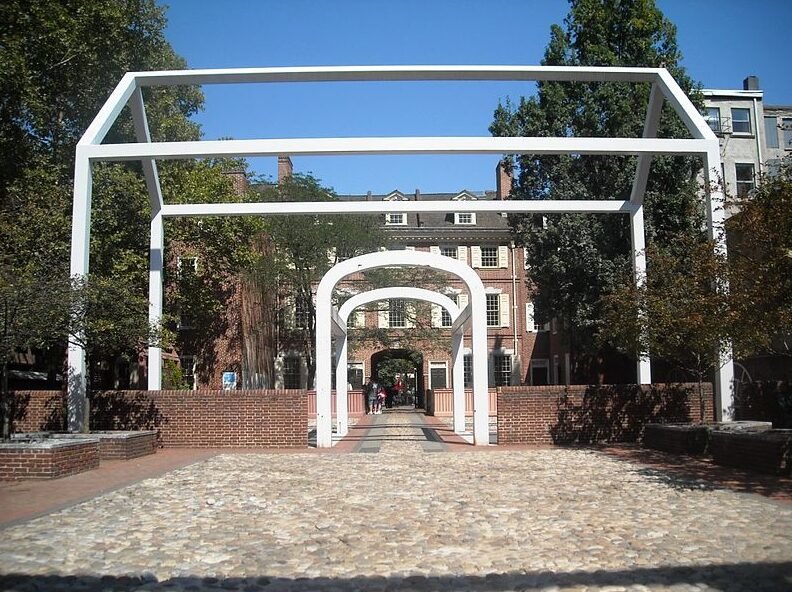
Image: Franklin Court
Philadelphia City Hall
Philadelphia City Hall, completed in 1901, is an architectural masterpiece and a symbol of the city’s civic pride. Located at the center of downtown Philadelphia, City Hall is the largest municipal building in the United States and was the tallest habitable building in the world until 1908. Designed in the French Second Empire style by architect John McArthur Jr., the building is adorned with over 250 sculptures by artist Alexander Milne Calder.
Atop City Hall’s tower stands a 37-foot statue of William Penn, the founder of Pennsylvania. The building’s intricate stonework and grand scale make it a National Historic Landmark. Inside, City Hall houses the offices of the city’s mayor and other government officials, as well as courtrooms and council chambers. Visitors can take guided tours of the building, including the observation deck, which offers stunning views of Philadelphia’s skyline.
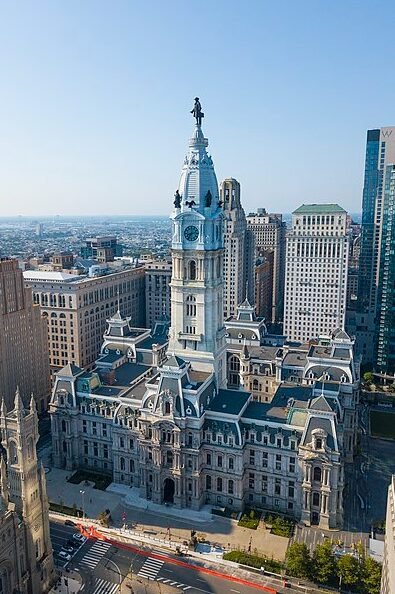
Image: Philadelphia City Hall
The Philadelphia Museum of Art and the Rocky Steps
While the Philadelphia Museum of Art is primarily known for its extensive art collection, it is also a National Historic Landmark due to its architectural significance and cultural impact. The museum, located at the west end of the Benjamin Franklin Parkway, was completed in 1928 and is one of the largest art museums in the United States. Its neoclassical design, with a grand columned facade, makes it one of Philadelphia’s most recognizable buildings.
The museum’s famous front steps, known as the Rocky Steps, gained iconic status after being featured in the 1976 film Rocky. Visitors often recreate the famous scene by running up the steps and posing with the bronze statue of Rocky Balboa at the bottom. Inside the museum, visitors can explore a wide array of art collections, ranging from ancient artifacts to contemporary works, as well as special exhibitions that highlight Philadelphia’s rich artistic heritage.
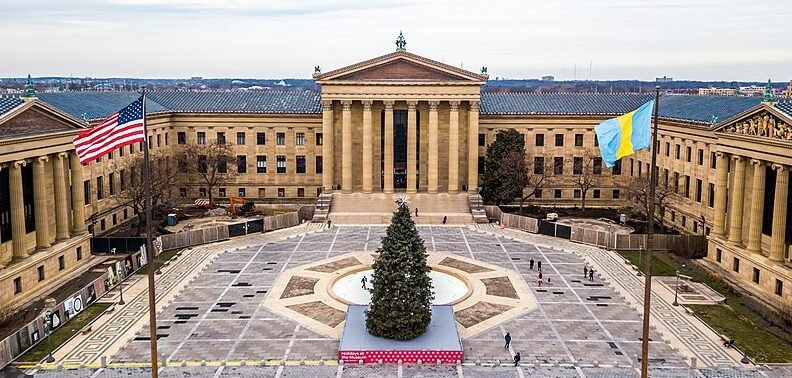
Image: The main structure at the Philadelphia Museum of Art
The First Bank of the United States
Located at 116 S. 3rd Street, the First Bank of the United States was established in 1791 as part of Alexander Hamilton’s financial plan to stabilize the new nation’s economy. The bank played a crucial role in establishing a national currency, managing government debt, and stimulating economic growth. While the bank’s charter expired in 1811, its influence on the American financial system is still felt today.
The building itself, completed in 1797, is a stunning example of neoclassical architecture, with its grand portico and Corinthian columns. The First Bank of the United States is a National Historic Landmark and part of Independence National Historical Park. While the interior is not currently open to the public, the building remains an important symbol of the nation’s early financial history.
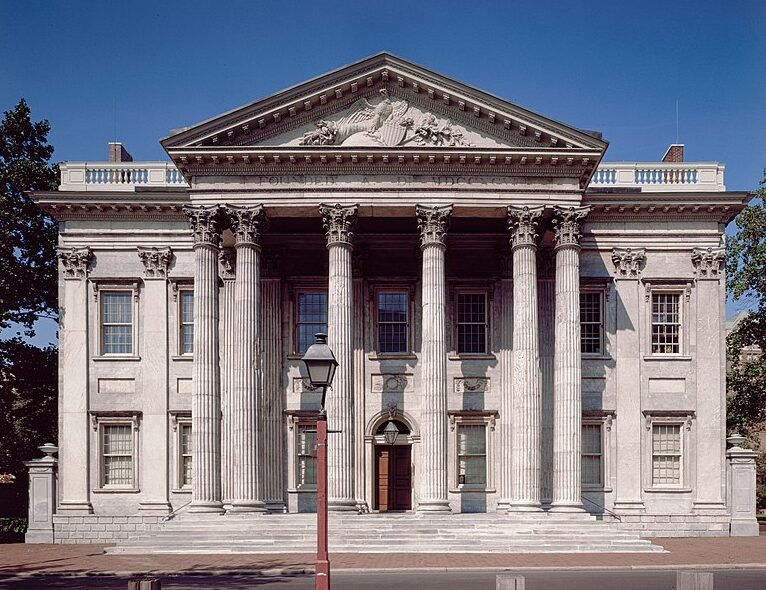
Image: The First Bank of the United States
Eastern State Penitentiary
The Eastern State Penitentiary, located at 2027 Fairmount Avenue, was once one of the most famous and expensive prisons in the world. Opened in 1829, it was designed to reform criminals through solitary confinement, rather than simply punish them. This approach, known as the “Pennsylvania System,” was considered revolutionary at the time and influenced the design of prisons around the world.
The penitentiary’s radial design, with individual cells radiating from a central hub, allowed for constant supervision of inmates. Eastern State housed many notorious criminals, including bank robber Willie Sutton and mobster Al Capone. The prison closed in 1971, and today it operates as a museum and historic site. Visitors can tour the crumbling cellblocks and learn about the history of criminal justice reform in the United States.
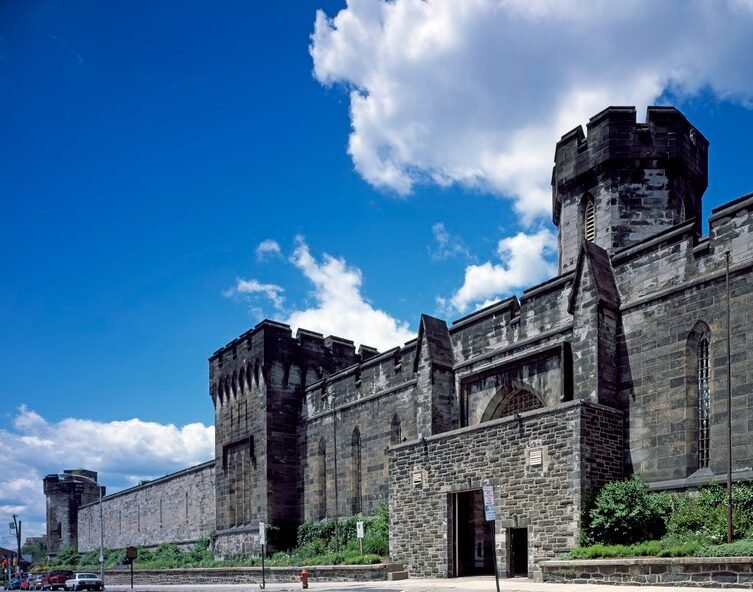
Image: Eastern State Penitentiary
The Rodin Museum
The Rodin Museum, located on the Benjamin Franklin Parkway, houses one of the largest collections of works by French sculptor Auguste Rodin outside of France. Opened in 1929, the museum’s beautiful Beaux-Arts building and gardens were designed by architect Paul Cret and landscape architect Jacques Gréber.
The museum’s collection includes some of Rodin’s most famous works, such as The Thinker, The Gates of Hell, and The Burghers of Calais. The museum itself is a National Historic Landmark, and its architecture, combined with its world-class art collection, makes it a must-visit destination for art lovers.
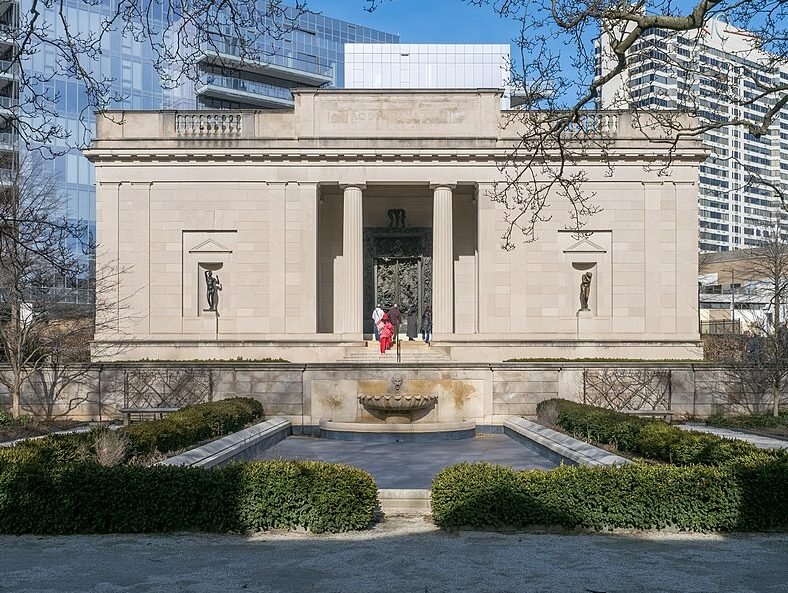
Image: Front view of the Rodin Museum
The Academy of Music
Opened in 1857, the Academy of Music is the oldest grand opera house in the United States still in use. Located at 240 S. Broad Street, the building is home to the Philadelphia Orchestra and has hosted countless operas, ballets, and concerts over the years. Its Italianate style and opulent interior, featuring a chandelier weighing more than five tons, make it a stunning example of 19th-century theater architecture.
The Academy of Music has been designated a National Historic Landmark due to its historical significance and continued use as a performing arts venue. It remains one of Philadelphia’s premier cultural institutions and continues to draw audiences for a wide range of performances.
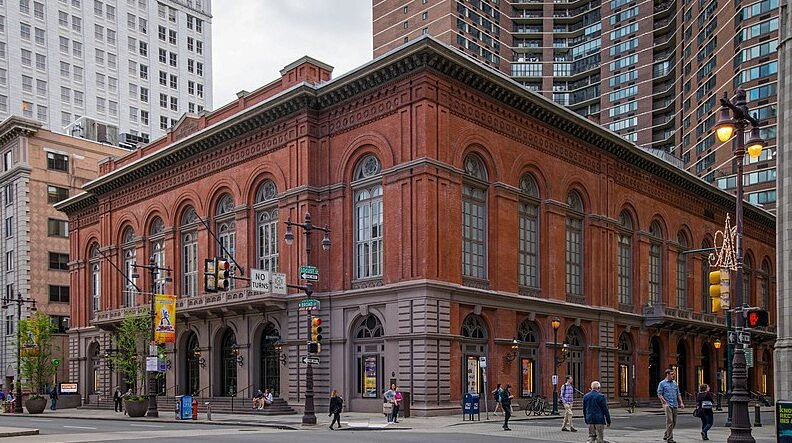
Image: The Academy of Music
The Edgar Allan Poe National Historic Site
The Edgar Allan Poe National Historic Site, located at 532 N. 7th Street, preserves the home where the famous writer lived from 1843 to 1844. During his time in Philadelphia, Poe wrote some of his most famous works, including “The Tell-Tale Heart” and “The Black Cat.” The house is one of several Poe lived in during his time in the city, and it has been restored to reflect the period in which he resided there.
Visitors to the site can tour the home and learn about Poe’s life, his struggles with poverty, and his literary achievements. The site also includes exhibits on Poe’s influence on American literature and his lasting legacy as one of the nation’s most famous and mysterious writers.
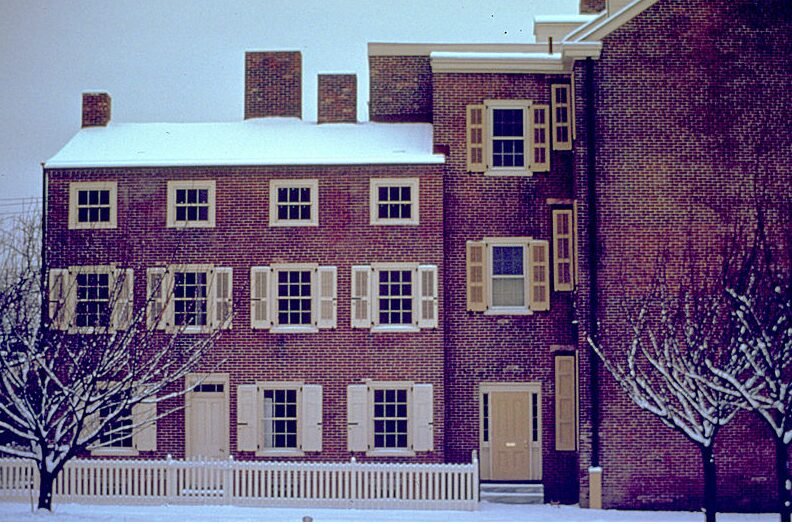
Image: The Edgar Allan Poe National Historic Site.
Cliveden
Located in the Germantown neighborhood, Cliveden is a historic mansion built between 1763 and 1767 by Benjamin Chew, a prominent lawyer and politician. The house played a key role in the Battle of Germantown, one of the major battles of the American Revolution. During the battle in 1777, British soldiers used the house as a fort, and its thick stone walls withstood repeated attacks by American forces.
Today, Cliveden is a National Historic Landmark and museum, where visitors can learn about the history of the Chew family, the Revolutionary War, and the role of slavery in early American society. The site includes the mansion, gardens, and outbuildings, as well as exhibits on the history of the property and its preservation.
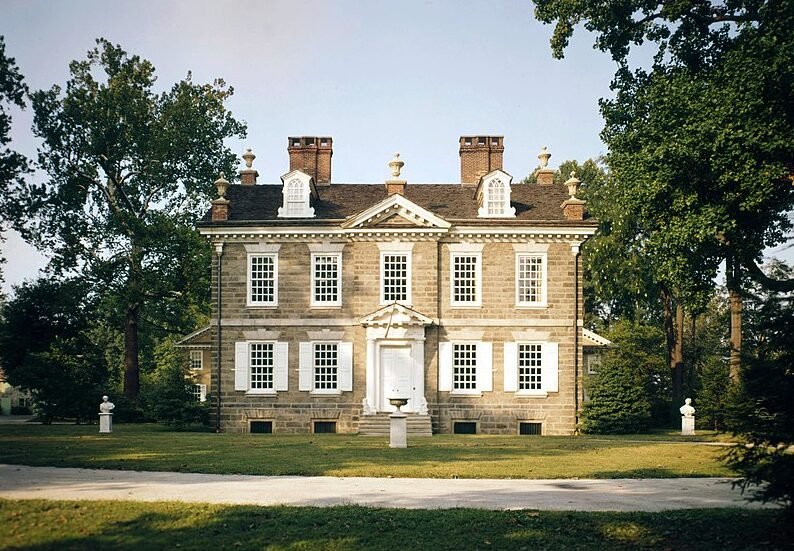
Image: Cliveden
The Franklin Institute
Founded in 1824, The Franklin Institute is one of the oldest centers of science education and research in the United States. Named after Benjamin Franklin, the institute is dedicated to fostering public understanding of science and technology. Its current location, at 222 N. 20th Street, opened in 1934 and has since become one of Philadelphia’s most popular museums.
The Franklin Institute is home to interactive exhibits on a wide range of scientific topics, from physics and chemistry to space exploration and robotics. The museum also houses the Benjamin Franklin National Memorial, a monumental statue of Franklin, and the Fels Planetarium, one of the oldest planetariums in the country. The institute’s commitment to science education and its architectural significance have earned it National Historic Landmark status.
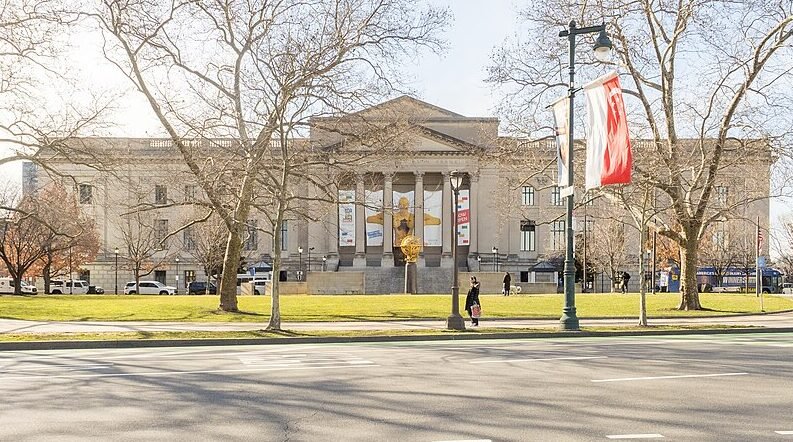
Image: The Franklin Institute
Conclusion
Whether exploring the halls of Independence Hall, running up the Rocky Steps, or touring the crumbling cell blocks of Eastern State Penitentiary, these sites offer an unforgettable journey through time, allowing us to connect with the past and appreciate the lasting impact of Philadelphia on the nation and the world.





