Greatest works of Nigerian literature
Nigerian literature is one of the most dynamic and influential literary traditions in Africa, with its rich storytelling heritage, oral traditions, and contemporary explorations of identity, colonialism, and social justice. Nigerian writers have made a significant impact on world literature through their contributions in various genres, including fiction, drama, poetry, and memoirs. Some of the greatest works of Nigerian literature have gained international recognition and remain pivotal in discussions about postcolonialism, cultural identity, and historical narratives.
Below, World History Edu explores some of the most celebrated literary works from Nigeria, highlighting their themes, impact, and significance.
Chinua Achebe – Things Fall Apart (1958)
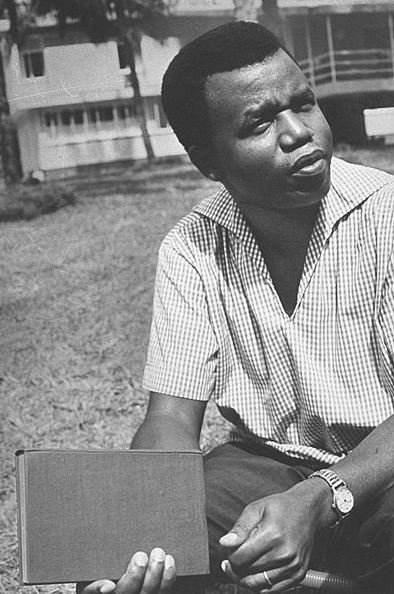
A picture of Chinua Achebe during the late 1960s.
Things Fall Apart is perhaps the most famous work of Nigerian literature and a defining novel of modern African storytelling. Written by Chinua Achebe, the novel examines the effects of colonial rule on traditional Igbo society through the story of Okonkwo, a respected leader in Umuofia. The novel presents a complex view of pre-colonial African society, showcasing its strengths and weaknesses while illustrating the profound disruptions caused by European colonization.
Achebe’s novel is notable for its use of Igbo proverbs, folktales, and a narrative style that reflects oral traditions. It challenges Western portrayals of African societies as primitive and instead presents a nuanced and deeply humanized depiction. Things Fall Apart has been translated into numerous languages and continues to be studied worldwide for its insight into cultural conflict and historical transformation.
Wole Soyinka – Death and the King’s Horseman (1975)
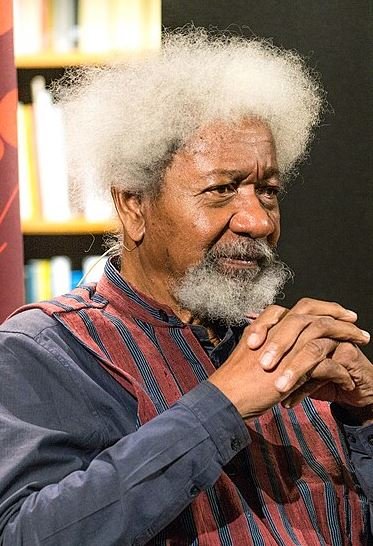
A 2018 photo of Wole Soyinka.
Wole Soyinka, Nigeria’s first Nobel laureate in literature, is best known for his plays that blend Yoruba mythology with contemporary themes. Death and the King’s Horseman is one of his most remarkable works, based on a historical event in colonial Nigeria. The play tells the story of Elesin Oba, a horseman whose duty is to follow his deceased king into the afterlife but who hesitates due to personal desires and colonial intervention.
The play explores themes of duty, cultural misunderstanding, and the conflict between indigenous traditions and colonial rule. Soyinka masterfully critiques both British colonialism and the failures within traditional African societies. His dramatic style incorporates rich symbolism and poetic language, making Death and the King’s Horseman one of the most profound works in Nigerian literature.
Buchi Emecheta – The Joys of Motherhood (1979)
Buchi Emecheta is one of the most influential female Nigerian writers, and The Joys of Motherhood remains her most celebrated novel. The book examines the challenges faced by women in traditional and modern Nigerian society through the story of Nnu Ego, a woman who measures her worth by her ability to bear children.
Emecheta’s novel critiques the societal expectations placed on women, particularly in patriarchal settings where motherhood is both a source of pride and immense suffering. The book provides a critical exploration of gender roles, economic struggles, and the clash between tradition and modernity. The Joys of Motherhood remains an essential text in feminist African literature and continues to be widely read for its powerful storytelling and social critique.
Ben Okri – The Famished Road (1991)
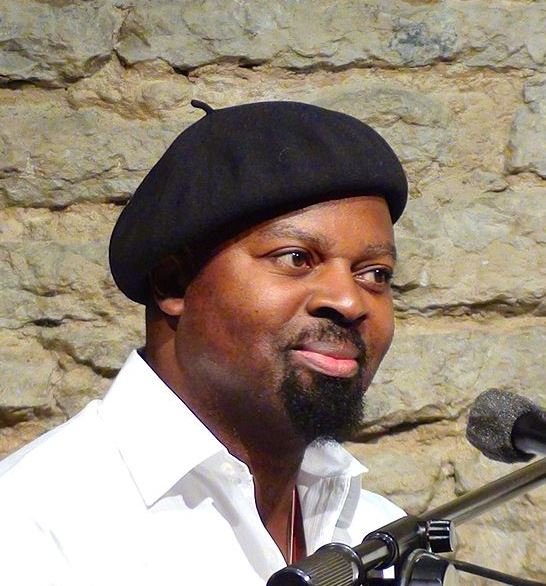
Ben Okri
Ben Okri’s The Famished Road is a landmark work of magical realism and one of the most acclaimed Nigerian novels. The novel follows Azaro, a spirit child (abiku) who exists between the physical and spiritual realms. His life is shaped by the struggles of his poor family in a chaotic, postcolonial Nigeria.
Okri’s prose is poetic and dreamlike, blending myth, folklore, and political allegory to paint a vivid picture of Nigeria’s turbulent history. The Famished Road won the Booker Prize in 1991, making Okri one of the most internationally recognized Nigerian writers. The novel’s themes of destiny, survival, and resilience continue to resonate with readers.
Flora Nwapa – Efuru (1966)
Flora Nwapa is often regarded as the first African woman to publish a novel in English. Efuru tells the story of an independent Igbo woman who defies traditional gender roles and societal expectations. Unlike many female protagonists in Nigerian literature, Efuru is not defined by her ability to bear children but by her intelligence, business acumen, and resilience.
The novel challenges patriarchal norms and offers a unique perspective on the role of women in Nigerian society. Nwapa’s writing is deeply rooted in Igbo culture and traditions, and Efuru remains a foundational text in African feminist literature.
Chimamanda Ngozi Adichie – Half of a Yellow Sun (2006)

A 2015 photo of Chimamanda Ngozi Adichie
One of the most influential Nigerian writers of the 21st century, Chimamanda Ngozi Adichie gained worldwide acclaim with Half of a Yellow Sun. The novel is set before and during the Nigerian Civil War (1967–1970) and follows the lives of three characters: a university professor, his houseboy, and an upper-class woman who joins the Biafran cause.
Adichie’s novel explores themes of war, love, identity, and the impact of colonial legacies. Through personal narratives, she humanizes the devastating conflict while shedding light on historical injustices. Half of a Yellow Sun won the Orange Prize for Fiction and solidified Adichie’s reputation as a leading voice in global literature.
Cyprian Ekwensi – Jagua Nana (1961)
Cyprian Ekwensi was a pioneering Nigerian writer known for his fast-paced narratives that capture the vibrancy of urban life. Jagua Nana tells the story of an aging prostitute in Lagos who seeks a better life but is caught in a cycle of survival and societal judgment.
Ekwensi’s novel is notable for its portrayal of Lagos as a city of opportunity and hardship. His writing is accessible, engaging, and socially conscious, making Jagua Nana a groundbreaking work in Nigerian popular fiction.
Ken Saro-Wiwa – Sozaboy (1985)
Ken Saro-Wiwa, a writer and environmental activist, is known for his powerful critiques of political corruption and human rights abuses. Sozaboy is written in a unique “rotten English” style, a blend of Nigerian Pidgin and English, to capture the voice of an illiterate soldier who experiences the horrors of war.
The novel provides a poignant and tragic view of the Nigerian Civil War from the perspective of a naive young man. Saro-Wiwa’s experimental use of language and his anti-war message make Sozaboy a standout work in Nigerian literature.
Chigozie Obioma – The Fishermen (2015)

A 2016 picture of Chigozie Obioma.
Chigozie Obioma’s The Fishermen is a modern Nigerian novel that received widespread critical acclaim. It tells the story of four brothers whose lives are changed by a prophecy that predicts tragedy in their family.
Inspired by Achebe’s storytelling style, Obioma’s novel blends Nigerian folklore with contemporary psychological drama. It was shortlisted for the Booker Prize and established him as one of Nigeria’s most promising literary voices.
Sefi Atta – Everything Good Will Come (2005)
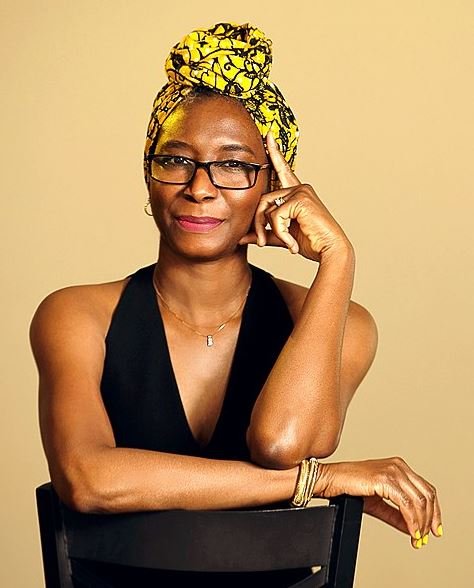
Sefi Atta in 2021
Sefi Atta’s Everything Good Will Come is a coming-of-age novel that explores female identity, friendship, and social change in Nigeria. The protagonist, Enitan, navigates personal and political challenges as she comes to terms with her role as a woman in a male-dominated society.
Atta’s novel is both personal and political, addressing themes of gender inequality, family expectations, and national struggles. It remains an important work in contemporary Nigerian literature.
Helon Habila – Oil on Water (2010)

A picture of Helon Habila, taken in 2009.
Helon Habila’s Oil on Water is a gripping novel about environmental destruction and political conflict in the Niger Delta. Through the perspective of a journalist covering a kidnapping case, the novel exposes the suffering of local communities due to oil exploitation.
Habila’s novel is both a thriller and a social commentary, shedding light on one of Nigeria’s most pressing issues. His poetic writing style and deep engagement with political themes make Oil on Water a powerful literary work.
From Achebe’s classic “Things Fall Apart” to contemporary masterpieces like Adichie’s “Half of a Yellow Sun”, these works of Nigerian literature continue to shape discussions on culture, history, identity, and politics.
Frequently Asked Questions
What is the significance of Things Fall Apart in Nigerian literature?
Chinua Achebe’s Things Fall Apart (1958) is a landmark novel in African literature, depicting the collision of traditional Igbo society with European colonialism.
Who was the first Nigerian to win the Nobel Prize in Literature?
Wole Soyinka won the Nobel Prize in Literature in 1986, becoming the first Black African laureate.
What is Onitsha market literature?
Onitsha market literature refers to popular, affordable books sold in Nigerian markets from the 1950s, often addressing contemporary social issues.
How did colonial rule influence Nigerian literature?
Colonial rule introduced Western literary forms, but Nigerian writers adapted them to express African identity and critique colonialism.
Nigerian writers have used storytelling to reflect the complexities of their society, ensuring that their voices remain relevant in global literary discourse.
Who was Amos Tutuola, and why was his writing unique?
Amos Tutuola, author of The Palm-Wine Drinkard (1952), wrote in unconventional English, blending folklore with surreal storytelling.
What role did the Mbari Club play in Nigerian literature?
The Mbari Club, founded in the 1960s, was a literary hub where writers like John Pepper Clark and Wole Soyinka developed postcolonial Nigerian literature.
What are the major themes in Nigerian literature?
Common themes include colonialism, tradition vs. modernity, corruption, gender roles, and political oppression.
How did the Biafra War influence Nigerian literature?
The war inspired works like Chimamanda Ngozi Adichie’s Half of a Yellow Sun and Flora Nwapa’s Never Again, highlighting its human and political impact.
Who are some prominent female Nigerian writers?
Notable female writers include Buchi Emecheta, Chimamanda Ngozi Adichie, Sefi Atta, and Flora Nwapa, who address gender, culture, and identity.
Nigerian literature has produced some of the most remarkable works in world literature, spanning different genres and time periods.
What is the significance of Hausa literature?
Hausa literature, dating back to the Sokoto Caliphate, includes Islamic poetry and modern novels, with female authors contributing to Kano market literature.
How has Nigerian literature addressed dictatorship and democracy?
Writers like Ken Saro-Wiwa and Helon Habila critiqued military rule and human rights abuses in their works.
How has contemporary Nigerian literature evolved?
Modern authors like Chigozie Obioma, Ayobami Adebayo, and Noo Saro-Wiwa explore themes of migration, technology, and identity in a globalized world.
Nigerian authors have won prestigious awards, and their works are studied worldwide for their insight into African history and culture.





