Things Fall Apart (1958) by Chinua Achebe
Published in 1958, Things Fall Apart by Chinua Achebe is a landmark novel in African literature. The novel depicts the life of Okonkwo, a warrior and leader in the Igbo clan of Umuofia, highlighting the tensions between tradition and colonial influences. Achebe’s work is considered one of the most important texts in postcolonial literature, offering an authentic African perspective on pre-colonial and colonial Nigeria.
The novel’s title is derived from Irish poet and dramatist W.B. Yeats’ poem “The Second Coming”, indicating a theme of inevitable change and destruction.
Themes
The novel explores the intricacies of Igbo traditions, including rituals, justice, and social structure. Achebe presents these customs as both rich and flawed, showing their strengths and weaknesses without romanticization.
The arrival of European missionaries and the colonial government disrupts Igbo society. Some embrace the new faith and governance, while others resist. Okonkwo represents the resistance, but his inability to adapt leads to his downfall.
Okonkwo equates masculinity with strength, aggression, and dominance. His rigid views on gender lead to conflicts within his family and society, highlighting the complexities of gender roles in Igbo culture.
Throughout the novel, Okonkwo struggles with the tension between destiny and personal choice. His actions often align with fate, yet his downfall seems inevitable due to his inability to change.

Published in 1958, Chinua Achebe’s “Things Fall Apart” is a renowned literary masterpiece and a defining work of Nigerian literature. The work is often celebrated for its cultural and historical significance.
Plot Summary of Things Fall Apart
Okonkwo’s Rise and Fall
Okonkwo is a respected leader in Umuofia, known for his wrestling prowess and fierce masculinity. His disdain for weakness, largely due to his father Unoka’s failure in life, drives him to become successful through hard work. However, his rigid adherence to tradition and his violent temper alienate him from his family and community.
The Arrival of the Colonizers
Okonkwo’s life takes a tragic turn when he becomes the guardian of Ikemefuna, a boy given to Umuofia as compensation for a crime. When the Oracle decrees that Ikemefuna must be killed, Okonkwo participates in his execution, despite warnings from elders. This decision haunts him and marks the beginning of his downfall.
After accidentally killing a clansman, Okonkwo and his family are exiled for seven years. During his exile, Christian missionaries arrive in Umuofia, gradually influencing and converting the Igbo people. Okonkwo’s son, Nwoye, embraces Christianity, leading to an irreparable rift between father and son.
Okonkwo’s Tragic End
Upon returning from exile, Okonkwo finds that his village has changed. The British colonial government enforces new laws, diminishing traditional Igbo authority. When Okonkwo kills a colonial messenger in an act of rebellion, he realizes that his people will not support him. Rather than surrender, Okonkwo takes his own life, an act condemned by Igbo customs, rendering him an outcast even in death.
Historical and Cultural Context
The Igbo people have a decentralized political system, relying on elders and oracles for decision-making. The arrival of the British disrupts this balance, leading to the erosion of traditional authority.
The British imposed Western laws, education, and religion on Nigeria, undermining indigenous cultures. Achebe portrays this clash realistically, showing both the appeal and destruction brought by colonial rule.
Achebe’s Narrative Style
Achebe integrates Igbo proverbs and oral traditions, enriching the novel’s authenticity. He writes in English but retains an African rhythm, bridging cultural gaps for global readers.
Okonkwo’s complexity makes him a compelling tragic hero. Other characters, such as Nwoye and Obierika, provide contrasting perspectives on change and tradition.
Did you know…?
- The novel has been adapted into radio plays, television series, and films, reflecting its enduring impact.
- A recent television adaptation by A24, starring British actor Idris Elba, is set to introduce the story to new audiences.
Critical Acclaim and Influence on Literature
Things Fall Apart is widely studied in schools and universities worldwide. It is praised for its nuanced depiction of African society and its critical examination of colonialism.
The novel paved the way for African writers, challenging Western stereotypes of Africa. Writers like Chimamanda Ngozi Adichie and Ngũgĩ wa Thiong’o cite Achebe as a major influence.
Who was Chinua Achebe?
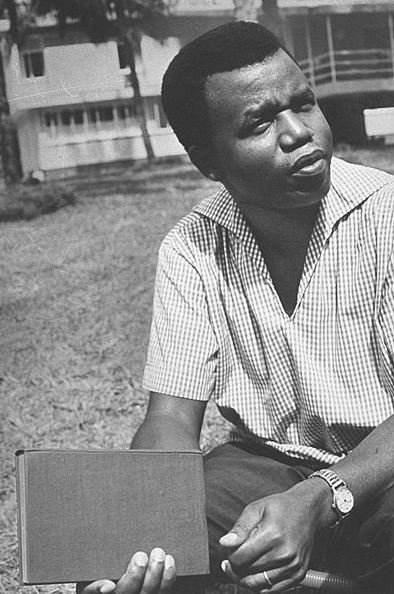
A picture of Chinua Achebe during the late 1960s.
Chinua Achebe was born Albert Chinụalụmọgụ Achebe on November 16, 1930, in Ogidi, a town in southeastern Nigeria.
Raised in a Christian household, he was exposed to both Igbo traditions and Western influences from an early age. His father, Isaiah Okafor Achebe, was a teacher and evangelist, which provided Achebe with access to English education. He excelled academically and was admitted to University College, Ibadan (now the University of Ibadan), where he initially studied medicine before switching to English literature, history, and theology. This decision marked the beginning of his deep engagement with African literature and storytelling traditions.
Achebe often addressed a number of things in his works. His novels explore colonialism, identity, tradition vs. change, corruption, and the complexities of African societies. His work helped establish African literature in English, inspiring generations of writers and providing a voice for African perspectives.

Following the success of Things Fall Apart, Achebe wrote No Longer at Ease (1960) and Arrow of God (1964), completing what is now known as the African Trilogy. No Longer at Ease follows Okonkwo’s grandson, Obi, as he struggles with corruption and cultural conflict in post-colonial Nigeria. Arrow of God explores the clash between Igbo traditions and British colonial authority, focusing on Ezeulu, a chief priest caught between old customs and new governance. These novels further established Achebe as a major literary figure, deepening his examination of colonialism, identity, and moral dilemmas in Africa.
Achebe continued to critique Nigerian politics in A Man of the People (1966), a satirical novel about corruption and moral decay in post-independence governance. The book eerily predicted Nigeria’s first military coup, leading some to suspect Achebe had insider knowledge.
His later novel, Anthills of the Savannah (1987), tackled dictatorship and political oppression, reinforcing his reputation as a fearless commentator on African leadership and societal challenges.
Frequently Asked Questions
What is the significance of the title Things Fall Apart?
The title is taken from W. B. Yeats’ poem The Second Coming and reflects the collapse of Igbo society under colonial rule.
How does Okonkwo’s character contrast with his father Unoka?
Okonkwo is hardworking, disciplined, and obsessed with masculinity, while Unoka was a debt-ridden, carefree man who avoided hard labor.
Why does Okonkwo kill Ikemefuna?
Despite being warned not to participate, Okonkwo kills Ikemefuna to avoid appearing weak, showcasing his internalized fear of failure.
What role does Nwoye play in the novel’s themes?
Nwoye’s rejection of Igbo traditions and conversion to Christianity highlight the generational and ideological conflicts within colonial Africa.
How does the arrival of the white missionaries impact Umuofia?
The missionaries introduce Christianity, undermining Igbo religious beliefs, and later bring colonial rule, destabilizing the clan’s social structure.
What is the significance of Okonkwo’s exile?
His exile marks a turning point, as he loses status and returns to a village transformed by colonial influence, symbolizing his personal and cultural displacement.
Why does Okonkwo commit suicide?
Realizing that his people will not resist colonial rule, Okonkwo takes his own life, an act forbidden in Igbo culture, signifying ultimate defeat.
How does Achebe portray colonialists in the novel?
While Achebe criticizes their disruption of Igbo society, he presents them with complexity, showing both their ignorance and their influence.

Achebe’s “Things Fall Apart” remains a seminal work in world literature, offering a powerful exploration of identity, change, and resistance. Image: Chinua Achebe in 2008.
What is the role of Igbo proverbs in the novel?
Proverbs enrich dialogue and reflect the oral tradition of Igbo culture, emphasizing the importance of language and wisdom in society.
How does Things Fall Apart challenge Western narratives about Africa?
Achebe presents an authentic Igbo society before colonialism, countering stereotypes of Africa as primitive and lacking history.
African Art: History, Characteristics, Famous Works, & Major Facts





