Enkidu in Ancient Mesopotamian Mythology
Enkidu, a central figure in Mesopotamian mythology, is one of the most compelling characters from the Epic of Gilgamesh. He represents the transition from nature to civilization, serving as both a foil and a companion to Gilgamesh, the legendary king of Uruk. Enkidu’s character embodies themes of humanity’s place within nature, the cost of civilization, and the inevitability of mortality.
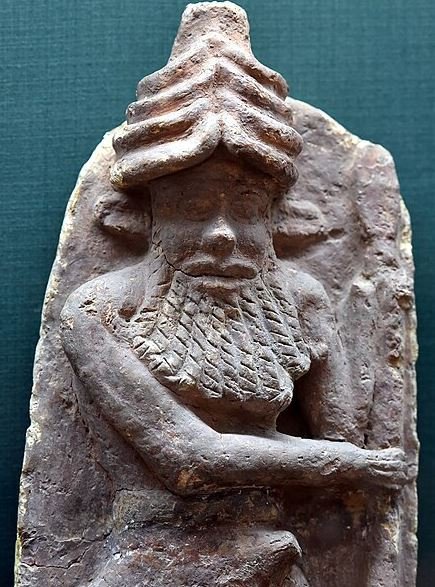
First appearing in Sumerian poems and the Epic of Gilgamesh (2nd millennium BC), Enkidu represents the archetype of the wild man—a being closer to nature than civilization. Image: A sculpture work depicting Enkidu.
Etymology and Divine Essence
The name “Enkidu” is derived from Sumerian, often written as en.ki.du10. It translates to “Lord of the Good Place” or, in some interpretations, “Creation of Enki,” linking him to the Sumerian god of wisdom and creation, Enki.
In the Akkadian Epic of Gilgamesh, his name is preceded by the divine determinative sign (dingir), signifying his semi-divine essence. This divine nature sets the stage for Enkidu’s role as both a rival and an ally to Gilgamesh.
Creation and Role in the Epic
Enkidu is created by the goddess Aruru in response to the complaints of Uruk’s citizens, who suffer under Gilgamesh’s tyranny. Aruru forms him from clay, crafting him as a wild man who roams the steppe, lives with animals, and knows no human civilization. This primal existence highlights his connection to nature and contrasts sharply with Gilgamesh’s cultured, city-dwelling identity.
Enkidu, created to oppose Gilgamesh, evolves from wild man to civilization, forming a bond through combat.
Enkidu’s transformation begins when he is lured into civilization by Shamhat, a sacred temple prostitute. Through intimacy with Shamhat, Enkidu gains human awareness, understanding language, food, and drink, but loses his primal connection to the animals, who now flee from him. This transformation underscores the motif of women as intermediaries between nature and civilization, mirroring similar myths like that of Adam and Eve.
Enkidu and Gilgamesh: Rivals Turned Companions
Initially created to challenge Gilgamesh, Enkidu fulfills this role when the two meet in Uruk. Their confrontation culminates in a fierce wrestling match, which ends in mutual respect. Recognizing each other’s strength and character, they form a profound bond of friendship.
Enkidu and Gilgamesh become close allies, embarking on heroic exploits, including slaying Humbaba and the Bull of Heaven.
Their camaraderie drives the epic’s central narrative, as the pair embarks on daring adventures. Together, they:
- Defeat Humbaba: In the Cedar Forest, Gilgamesh and Enkidu face the monstrous guardian Humbaba. Despite Humbaba’s pleas for mercy, Enkidu convinces Gilgamesh to kill him, ensuring their fame but earning the wrath of the gods.
- Slay the Bull of Heaven: When the goddess Ishtar sends the Bull of Heaven to punish Gilgamesh, the duo defeats it. Enkidu grabs its tail while Gilgamesh strikes the killing blow. This act further angers the gods, sealing Enkidu’s fate.
Enkidu’s Death and its Impact
The gods decree Enkidu’s death as punishment for their defiance. Enkidu’s demise is a turning point in the epic, marking the transition from heroism to existential reflection. On his deathbed, Enkidu laments the loss of his wild, untamed life and curses Shamhat for leading him to civilization, though he later blesses her for introducing him to friendship and purpose.
Enkidu’s death profoundly affects Gilgamesh, igniting his fear of mortality. This fear drives Gilgamesh on a quest for immortality, symbolizing humanity’s struggle to reconcile the inevitability of death with the desire for eternal legacy.

Adventures and Symbolism
Enkidu’s role in the epic extends beyond his companionship with Gilgamesh. His actions and experiences reflect broader themes:
- Transformation from Wild to Civilized: Enkidu’s journey from the wilderness to civilization symbolizes the transition of humanity from a natural state to structured society. His initial connection to animals and nature contrasts with his later human concerns, such as loyalty and friendship.
- Challenges to Divine Authority: By killing Humbaba and the Bull of Heaven, Enkidu and Gilgamesh challenge the divine order. These acts highlight human ambition and the cost of defying the gods.
- Death and the Human Condition: Enkidu’s death underscores the inevitability of mortality. His vision of the underworld and his discussions with Gilgamesh about death serve as poignant reminders of life’s fragility.
- Civilization vs. Nature: Enkidu’s life embodies the tension between the natural and civilized worlds. His lamentations reflect the loss of freedom and simplicity that comes with the adoption of human culture.
Enkidu’s Role in Sumerian and Akkadian Texts
In addition to the Epic of Gilgamesh, Enkidu appears in several other Mesopotamian texts:
- “The Envoys of Agga”: Enkidu aids Gilgamesh in defending Uruk during a siege by King Agga of Kish.
- “The Lord to the Living One’s Mountain”: Enkidu accompanies Gilgamesh to the Cedar Forest to confront Humbaba.
- “Gilgamesh, Enkidu, and the Netherworld”: Enkidu descends to the underworld to retrieve lost items for Gilgamesh but is trapped there until Gilgamesh petitions the gods for his release.
These stories illustrate Enkidu’s evolving role from a rival and subordinate to an equal and trusted companion.
Enkidu in Art and Myth
Enkidu’s legacy extends beyond literature into Mesopotamian art and symbolism. He is often associated with depictions of the “wild man” or “bull-man,” a figure representing the bridge between human and animal realms. Cylinder seals and reliefs from the period depict Enkidu wrestling animals or monsters, emphasizing his primal strength and role as a protector.
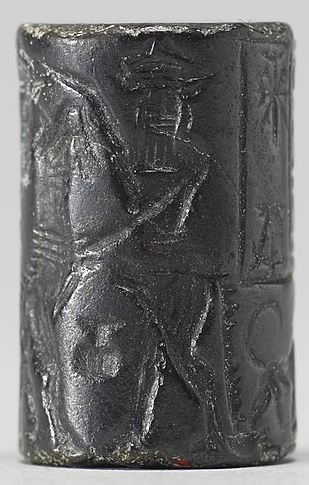
Cylinder seal depicting Enkidu defeating the Bull of Heaven.
Modern Interpretations
Enkidu’s narrative resonates with contemporary audiences for its exploration of humanity’s relationship with nature, civilization, and mortality. His story has been interpreted as:
- A critique of the costs of civilization, as seen in his lamentations over losing his wild identity.
- A reflection on friendship and loyalty, as exemplified by his bond with Gilgamesh.
- An allegory of humanity’s quest for meaning in the face of inevitable death.
Legacy and Rediscovery
Enkidu’s story, like the Epic of Gilgamesh, was rediscovered in the 19th century during excavations of the Library of Ashurbanipal in Nineveh. Early translations misidentified him as “Eabani,” but subsequent scholarship restored his identity. Today, Enkidu remains a symbol of humanity’s dual nature—torn between the wilderness and civilization, mortality and the quest for transcendence.





