Epic of Gilgamesh: When was the story first recorded, and by whom?
The Epic of Gilgamesh is one of the oldest known pieces of literature, originating from ancient Mesopotamia and dating back to the early 3rd millennium BC. The epic is written in Akkadian, the language of the Babylonians, on a series of twelve clay tablets. This ancient epic has been hailed as offering a rich tapestry of myth, history, and poetry. The story explores profound themes such as friendship, the human quest for immortality, and the inevitability of death.
Who are the other key characters in the epic? What roles do they play in the story?
In the article below, World History Edu delves into the key events and figures of the Epic of Gilgamesh.
Historical and Cultural Context
The Epic of Gilgamesh is rooted in the ancient Sumerian tradition, with its origins tracing back to five earlier Sumerian poems about Bilgamesh (the Sumerian form of Gilgamesh). The most complete version we have was compiled by the Babylonian priest Sin-leqi-unninni in the 12th century BC, but it incorporates much older material.

Ancient Mesopotamia was located in the eastern Mediterranean, primarily in what is now Iraq, along with parts of Iran, Syria, and Turkey. Image: Map showing the arears that made up ancient Mesopotamia.
Mesopotamia, the “land between rivers” (the Tigris and Euphrates), is often referred to as the cradle of civilization. The region saw the rise of the first cities, sophisticated forms of governance, and early advancements in writing and literature. The Epic of Gilgamesh reflects the complexities of Mesopotamian society, its belief systems, and its philosophical inquiries.

The Sumerians were among the first to establish a structured civilization in Mesopotamia, with city-states such as Uruk, Ur, and Eridu flourishing around 3500 BC. They developed cuneiform writing, one of the earliest known writing systems, used to record administrative details, literature, and more. Image: Ziggurat of Ur.
Plot Overview
The narrative begins with an introduction to Gilgamesh, the king of Uruk, who is described as two-thirds god and one-third human. Despite his semi-divine nature, Gilgamesh is a flawed ruler, whose oppressive behavior causes distress among his people. To address this, the gods create Enkidu, a wild man who is Gilgamesh’s equal in strength.
The Meeting and Friendship of Gilgamesh and Enkidu
Enkidu begins as a wild man living in harmony with nature. He is tamed through an encounter with Shamhat, a temple prostitute, who introduces him to human civilization. Realizing his purpose, Enkidu travels to Uruk to confront Gilgamesh. After a fierce but evenly matched battle, the two become close friends.
Adventures and Heroic Deeds
Together, Gilgamesh and Enkidu undertake several heroic quests. They journey to the Cedar Forest to confront Humbaba, the monstrous guardian of the forest. They defeat Humbaba, but their actions anger the gods. Later, they kill the Bull of Heaven, sent by the goddess Ishtar after Gilgamesh spurns her advances. These acts of defiance further incur the wrath of the gods.
The Death of Enkidu and the Quest for Immortality
The gods decide that one of the heroes must be punished for their arrogance, and Enkidu is chosen to die. His death profoundly affects Gilgamesh, who is overwhelmed by grief and the realization of his own mortality. This sets Gilgamesh on a quest to find Utnapishtim, a man granted immortality by the gods, in hopes of discovering the secret to eternal life.
The Journey to Utnapishtim
Gilgamesh’s journey is arduous and filled with challenges. He encounters various beings, including Siduri, a tavern keeper who advises him to abandon his quest and enjoy the pleasures of life. Undeterred, he continues and eventually meets Utnapishtim, who tells him the story of the Great Flood, a narrative strikingly similar to the Biblical story of Noah’s Ark.
The Lessons of Immortality
Utnapishtim explains that immortality was a unique gift and not achievable by ordinary humans. He subjects Gilgamesh to a test of staying awake for six days and seven nights, which Gilgamesh fails. Utnapishtim’s wife takes pity on Gilgamesh and persuades her husband to reveal a secret plant that can restore youth. Gilgamesh obtains the plant but loses it to a serpent on his journey back home.
Return to Uruk
Ultimately, Gilgamesh returns to Uruk, having gained wisdom through his experiences. He realizes that his legacy will not be one of immortality but the enduring accomplishments of his reign, especially the impressive walls he built around the city.

It was originally written in Sumerian, but the most complete versions are in Akkadian, a later Mesopotamian language. Image: An Akkadian version of the Epic of Gilgamesh.
Themes and Analysis
The Epic of Gilgamesh delves into several timeless themes:
Friendship and Human Connection
The relationship between Gilgamesh and Enkidu is central to the epic. Their bond transforms both characters, highlighting the importance of companionship and mutual respect. Enkidu’s death serves as a catalyst for Gilgamesh’s spiritual awakening, emphasizing the profound impact of friendship on personal growth.
The Quest for Immortality
Gilgamesh’s pursuit of eternal life underscores the human desire to transcend mortality. His journey reflects the existential struggle with the inevitability of death and the search for meaning in the face of it. The epic suggests that immortality is beyond human reach and that one should instead focus on living a meaningful and impactful life.
The Nature of Heroism
Gilgamesh’s exploits and adventures explore the concept of heroism. Initially, his heroism is defined by physical strength and conquest. However, as the story progresses, a deeper, more introspective form of heroism emerges—one that involves wisdom, acceptance, and responsibility.
The Role of the Gods
The gods in the epic are powerful but capricious, often intervening in human affairs with mixed motives. Their actions reflect the Mesopotamian view of the divine as unpredictable and beyond human comprehension. The epic portrays a world where humans must navigate their fate within the bounds set by these higher powers.
Literary Significance
The Epic of Gilgamesh holds a significant place in the history of literature. It is one of the earliest works to explore complex human emotions and existential questions. Its narrative structure, character development, and thematic depth have influenced countless subsequent works of literature.
Influence on Later Literature and Mythology
The themes and stories within the Epic of Gilgamesh have resonated through the ages, influencing various cultures and literary traditions. The flood narrative, for instance, parallels the Biblical story of Noah and other ancient flood myths. The epic’s exploration of heroism, friendship, and mortality can be seen in later epics like Homer’s Iliad and Odyssey.
Reasons why Mesopotamia is often called the “Cradle of Civilization”
Questions and Answers about the Epic of Gilgamesh
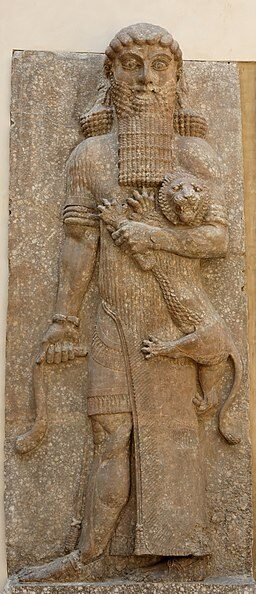
The Epic of Gilgamesh is a significant piece of Sumerian literature that tells the story of Gilgamesh, a powerful king of Uruk, and his adventures with his friend Enkidu. It is one of the oldest known literary works and provides insights into Sumerian beliefs, values, and society. Image: A statue depicting Gilgamesh.
When was the story of Gilgamesh first recorded, and by whom?
The story of Gilgamesh was first recorded by a Babylonian scribe around 2000 BC, although it is believed to have been part of an older oral tradition. The most complete version of the epic was compiled by the Babylonian priest Sin-leqi-unninni around the 12th century BC.
Describe the character of Gilgamesh as introduced in the epic.
Gilgamesh is introduced as the strongest and most powerful man in the world, ruling the city of Uruk. He is part god and part human, possessing extraordinary strength and abilities. However, he becomes bored and mistreats his people, prompting the gods to intervene.
Who is Enkidu and what is his relationship with Gilgamesh?
Enkidu is a wild man created by the gods to challenge Gilgamesh and curb his arrogance. After a fierce battle, Gilgamesh and Enkidu develop a deep respect for each other and become best friends.
What is the first major adventure undertaken by Gilgamesh and Enkidu?
The first major adventure undertaken by Gilgamesh and Enkidu is their journey to the Cedar Forest to confront the monstrous guardian, Humbaba. They trap and kill Humbaba and bring valuable cedar logs back to Uruk.
What happens after Gilgamesh and Enkidu kill the Bull of Heaven?
After killing the Bull of Heaven, which was sent by the goddess Ishtar, the gods become angry and decree that one of the heroes must die. They choose Enkidu, who soon succumbs to illness, leaving Gilgamesh devastated.

What quest does Gilgamesh embark on after the death of Enkidu?
After Enkidu’s death, Gilgamesh embarks on a quest to find the secret to eternal life. He meets Utnapishtim, a man granted immortality by the gods, and learns that immortality is beyond human reach. Despite various trials, Gilgamesh ultimately realizes that death is inevitable.
In what language was the Epic of Gilgamesh written, and who first translated it?
The Epic of Gilgamesh was written in Akkadian, the language of the Babylonians. It was first translated by archaeologist George Smith in 1872.
Where have many tablets containing the story of Gilgamesh been recovered?
Many tablets containing the story of Gilgamesh have been recovered from the famous Assyrian library in the ancient city of Nineveh.
What is known about Gilgamesh’s parentage according to the epic?
According to the epic, Gilgamesh’s mother was the goddess Ninsun. He was said to have received his beauty from the sun god Shamash and his courage from the storm god Adad.
What themes does the Epic of Gilgamesh address?
The Epic of Gilgamesh addresses universal themes such as friendship, heroism, the human condition, and the search for immortality, which continue to resonate with readers today.





