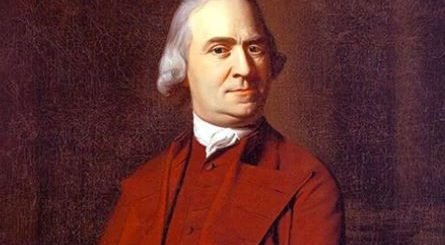
Frances Ellen Watkins Harper
Frances Ellen Watkins Harper (September 24, 1825 – February 22, 1911) was a prominent figure in 19th-century America, known for her extensive work as an abolitionist, suffragist, poet, and reformer.
Throughout her life, Harper used her talents and position to advocate for the rights of African Americans and women, leaving behind a rich legacy of literary and social contributions.
Her life is an inspiring example of how one woman used her voice to fight for justice, equality, and dignity in an era marked by deep racial and gender discrimination.
Early Life and Education
Frances Ellen Watkins was born free in Baltimore, Maryland, on September 24, 1825. This was a critical advantage in a society where slavery was rampant, particularly in the Southern United States. Orphaned at the age of three, Frances was raised by her maternal aunt and uncle, Henrietta and William Watkins. Her uncle, a dedicated abolitionist and educator, ran the Watkins Academy for Negro Youth, a school dedicated to the education of African American children. Harper received her early education at this school, where she was exposed to the principles of freedom, human rights, and social justice that would later shape her career.
Baltimore, during Harper’s early years, was a place of extreme tension between free Blacks and the institution of slavery. Although she was born free, Harper witnessed the cruelties of slavery and racial discrimination firsthand, which left a lasting impression on her. Her family and education fostered her intellectual development and instilled in her a sense of duty toward advancing the rights of African Americans and other marginalized groups.
Early Career and Literary Beginnings
By the age of 14, Harper had already entered the workforce, working as a domestic servant and seamstress. Despite her limited formal education, her passion for learning and her exposure to her uncle’s abolitionist activities helped her develop an intellectual curiosity and a keen sense of justice. This environment nurtured her talents as a writer, and in 1845, at just 20 years old, she published her first collection of poetry, Forest Leaves. Though this work did not gain widespread attention, it marked the beginning of her prolific writing career.
Harper’s literary pursuits were not merely a means of personal expression but were also tied to her political activism. She saw writing as a way to voice the struggles of her people and engage with broader social issues, such as abolition and women’s rights. Her early works began to attract attention within the African American community, earning her a place among the earliest African American women to have their work published in the United States.

Teaching and Early Activism
In 1850, Harper moved to Ohio, where she taught domestic science at Union Seminary, a school affiliated with the African Methodist Episcopal (AME) Church in Columbus. This period of her life marked the beginning of her direct involvement with organized religious and social reform movements. The AME Church played a significant role in the abolitionist movement, and her connection to the church strengthened her commitment to both education and activism.
A turning point in her life came in 1851, when she moved to Philadelphia and lived with the family of William Still. Still was a key figure in the Underground Railroad, an organized network that helped enslaved African Americans escape to freedom in the North. His involvement in the abolitionist movement deeply influenced Harper, and it was during this time that she began to write more explicitly about slavery and the plight of African Americans.
In 1853, Harper joined the American Anti-Slavery Society and embarked on a career as a public speaker and activist. She traveled extensively, giving lectures across the Northern United States and Canada on behalf of the society. Her speeches, often infused with her poetic sensibility, resonated with audiences and helped garner support for the abolitionist cause.
Abolitionist Work and Anti-Slavery Writing
Harper’s commitment to the abolitionist cause grew deeper as she became more engaged in the movement. Her poetry and essays from this period reflect her passionate stance against slavery. In 1854, she published Poems on Miscellaneous Subjects, which became a significant success and firmly established her as a leading African American poet. The collection included one of her most famous poems, “Bury Me in a Free Land,” which expressed her deep desire for freedom for all African Americans:
Make me a grave where’er you will,
In a lowly plain, or a lofty hill;
Make it among earth’s humblest graves,
But not in a land where men are slaves.
The popularity of Poems on Miscellaneous Subjects made Harper one of the most widely read African American poets before the rise of Paul Laurence Dunbar. Her work not only provided powerful commentary on the injustices of slavery but also highlighted the resilience and strength of African Americans in the face of oppression.
In 1859, Harper achieved another milestone when her short story, “Two Offers,” was published in the Anglo-African Magazine. This work is considered the first short story published by an African American woman, further solidifying Harper’s role as a trailblazer in African American literature. “Two Offers” explored themes of women’s rights and marriage, foreshadowing Harper’s later involvement in the women’s suffrage movement.
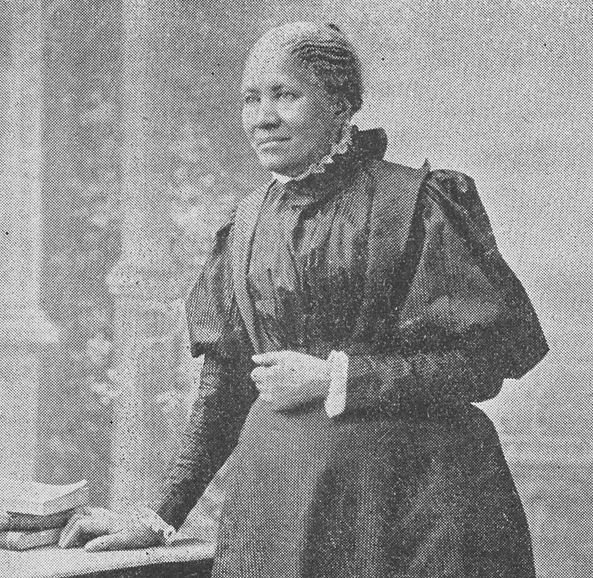
Published in 1859, The Two Offers made Harper the first Black short story writer in the United States. Image: A 1902 image of Harper.
Civil War and Reconstruction Era
As the United States plunged into the Civil War, Harper remained an active voice in the fight for abolition. The end of slavery with the passage of the 13th Amendment in 1865 did not mark the end of her activism. Instead, Harper shifted her focus toward the social, political, and economic challenges that African Americans faced during the Reconstruction era.
She became deeply involved in the struggle for civil rights, advocating for Black suffrage and the education of newly freed African Americans. In 1866, Harper gave a powerful speech at the National Women’s Rights Convention in New York, in which she linked the struggles for racial and gender equality. She famously stated:
We are all bound up together in one great bundle of humanity, and society cannot trample on the weakest and feeblest of its members without receiving the curse in its own soul.
This speech reflected Harper’s intersectional approach to social justice. She believed that the fight for racial equality could not be separated from the fight for women’s rights, and she continued to advocate for both causes throughout her life.
Later Literary Work and Iola Leroy

In 1892, Harper published her most famous work, the novel Iola Leroy, or Shadows Uplifted. The novel is set during and after the Civil War and tells the story of Iola Leroy, a mixed-race woman who, after being freed from slavery, dedicates herself to improving the lives of African Americans. Through Iola’s experiences, Harper addressed issues of racial identity, social inequality, and the need for education and self-reliance among African Americans.
Iola Leroy was praised for its portrayal of African American life and for advocating the importance of Black women’s leadership in post-slavery society. The novel is often considered one of the earliest examples of African American feminist literature, as it highlights the agency and resilience of Black women in the face of overwhelming challenges.
Although Iola Leroy did not receive the same level of attention as Harper’s earlier poetry, it remains an important work in the canon of African American literature. The novel was groundbreaking in its exploration of themes such as racial uplift, the role of women in social reform, and the complexities of Black identity in post-Civil War America.
Women’s Suffrage and Temperance Movements
In addition to her literary achievements, Harper was a leading figure in the women’s suffrage and temperance movements. She believed that the fight for women’s rights was intrinsically connected to the fight for racial equality. In 1886, she became superintendent of the Colored Section of the Philadelphia and Pennsylvania Women’s Christian Temperance Union (WCTU). The WCTU was one of the largest women’s organizations in the country, and Harper used her position to advocate for temperance as a means of protecting African American women from the violence and instability caused by alcoholism in their communities.
In 1896, Harper co-founded the National Association of Colored Women (NACW) and served as its vice president. The NACW was established to address issues facing African American women, including education, health care, and civil rights. Harper worked alongside other prominent Black women leaders, such as Mary Church Terrell and Ida B. Wells, to promote the social, political, and economic advancement of African American women.
Harper’s involvement in these organizations demonstrated her lifelong commitment to intersectional activism. She understood that the struggles of African Americans and women were deeply interconnected, and she used her platform to fight for the rights of both groups.
Legacy and Death
Frances Ellen Watkins Harper passed away on February 22, 1911, at the age of 85. Her death marked the end of a long and impactful life dedicated to the causes of abolition, civil rights, women’s suffrage, and social justice.
Harper’s legacy is multifaceted. As a writer, she broke barriers for African American women in literature, publishing works that continue to be studied and celebrated today. Her poetry, essays, and novels not only addressed the social injustices of her time but also inspired future generations of African American writers and activists. Her work laid the foundation for the Harlem Renaissance and the civil rights movements of the 20th century.
As an activist, Harper’s contributions to the abolitionist, suffrage, and temperance movements helped pave the way for significant social and political change in the United States. Her intersectional approach to activism—advocating for both racial and gender equality—was ahead of its time and continues to influence contemporary discussions of social justice.
Questions and Answers about Frances Ellen Watkins Harper
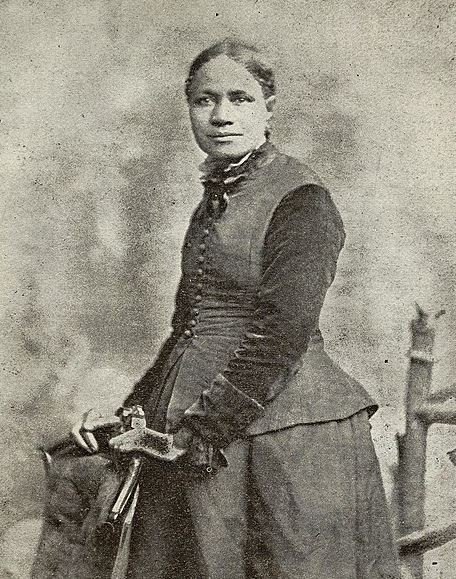
Frances Ellen Watkins Harper was an American abolitionist, suffragist, poet, temperance activist, teacher, public speaker, and writer. She was one of the first African American women to be published in the U.S.
When and where was Harper born?
Harper was born free in Baltimore, Maryland, on September 24, 1825.
What school did Harper attend, and what subjects were emphasized there?
Harper attended the prestigious Watkins Academy for Negro Youth, where the curriculum emphasized leadership, activism, and subjects like the Bible, history, geography, mathematics, English, rhetoric, and oratory.
What is significant about Harper’s writing career?
Harper began her writing career early, publishing her first book of poetry at age 20. In 1892, she published her novel Iola Leroy, making her one of the first Black women to release a novel.
What role did Harper have at Union Seminary in 1850?
In 1850, Harper taught domestic science at Union Seminary in Columbus, Ohio, a school affiliated with the African Methodist Episcopal Church (AME).
How did Harper’s time with William Still’s family influence her work?
While living with William Still’s family in 1851, Harper began writing anti-slavery literature. Still was a clerk at the Pennsylvania Abolition Society and helped slaves escape through the Underground Railroad.
When did Harper join the American Anti-Slavery Society, and what did it mark for her career?
Harper joined the American Anti-Slavery Society in 1853, which marked the beginning of her career as a public speaker and political activist.
What was Harper’s most successful poetry collection, and why was it important?
Her 1854 collection, Poems on Miscellaneous Subjects, was commercially successful, making her the most popular African American poet before Paul Laurence Dunbar.
What historical milestone did Harper achieve with her short story “Two Offers”?
Harper’s short story “Two Offers,” published in 1859, became the first short story published by a Black woman.
What leadership roles did Harper hold in national organizations?
Harper held key leadership roles, including becoming superintendent of the Colored Section of the Philadelphia and Pennsylvania Women’s Christian Temperance Union in 1886 and co-founding the National Association of Colored Women in 1896, where she served as vice president.
When did Frances Ellen Watkins Harper pass away, and what was her legacy?
Harper died on February 22, 1911, at the age of 85. She left a lasting legacy as a trailblazer in both literature and social justice.