The United States Dollar: History and Major Facts
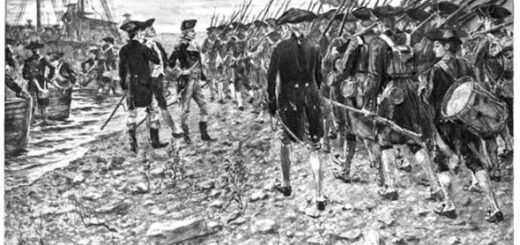
The United States dollar is filled with a rich history that is rooted in the economic and political developments of early America.
Summary
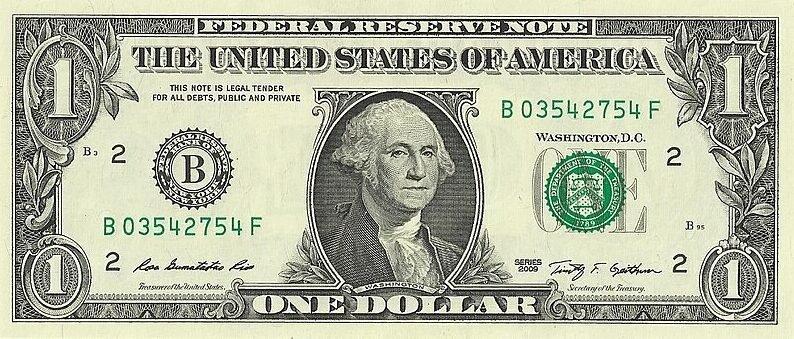
Our nation’s currency officially originated in 1792 when the United States Mint began producing coinage under the authority of the Coinage Act of 1792. This act established the dollar as the standard unit of currency, inspired by the Spanish dollar, which had been widely circulated in the Americas for centuries. Spanish dollars, also known as pieces of eight, were highly valued for their silver content and used as a trusted medium of exchange.
The Coinage Act set the dollar on a bimetallic standard, meaning its value was backed by specific amounts of gold and silver. The early U.S. dollar coins were made with similar silver content to the Spanish and Mexican coins that were already in circulation. These foreign currencies, including the Spanish dollar and Mexican peso, remained legal tender in the United States until 1857, highlighting the gradual transition to an entirely domestic currency system.
The dollar underwent significant changes during the 19th century. The Coinage Act of 1834 adjusted the gold-to-silver ratio to 16:1, favoring gold and making the United States more closely aligned with the gold standard. The Bland-Allison Act of 1878 reintroduced silver coinage after political pressure from silver-producing regions, reflecting ongoing debates about the country’s monetary standards.
The Civil War era brought about the issuance of paper currency like Demand Notes and National Bank Notes, setting the foundation for the dollar’s modern role as the sole legal currency. By 1900, the Gold Standard Act formally established gold as the sole standard of value for the dollar, but this system was suspended during the economic crises of the Great Depression and the World Wars.
In 1933, President Franklin D. Roosevelt‘s Gold Reserve Act ended the domestic convertibility of the dollar to gold and prohibited private ownership of large amounts of gold. The Bretton Woods system of 1944 pegged the dollar to gold internationally, but this collapsed in 1971 when President Richard Nixon transitioned the dollar to a fiat currency, severing its link to gold. Today, the U.S. dollar functions as a fiat currency and the world’s leading reserve currency, underpinning international trade and finance.
Origin Story of the U.S. Dollar
The concept of the dollar originated long before its official adoption by the United States. The term “dollar” comes from the Low German word daler or taler, short for Joachimsthaler, a silver coin minted in the town of Joachimsthal in Bohemia (modern-day Czech Republic) in the early 16th century. The taler’s reputation for consistent silver content led to its adoption across Europe and later inspired the Spanish dollar.
The Spanish dollar became the dominant currency in the Americas due to Spain’s extensive colonial empire. It was minted in New Spain (modern-day Mexico) and Peru and circulated widely in the British American colonies, where it was used as a de facto currency alongside other foreign coins. By the time of American independence, the Spanish dollar was a familiar and trusted monetary unit.
The introduction of the U.S. dollar as coinage in 1792 marked a significant step toward monetary independence.
In 1785, the Continental Congress officially adopted the dollar as the currency of the United States, replacing the chaotic mix of colonial paper money and foreign coins. Alexander Hamilton, as the first Secretary of the Treasury, played a crucial role in shaping the monetary system. Hamilton’s vision was to create a stable and unified currency that would support economic growth and facilitate trade.
The introduction of the U.S. dollar as coinage in 1792 marked a significant step toward monetary independence. The newly established United States Mint began producing silver and gold coins, solidifying the dollar’s place as the foundation of the national economy. This early emphasis on precious metal backing reflected the need to build public trust in the fledgling currency.

Image: Alexander Hamilton
READ MORE: Founding Fathers of the United States
Nicknames for the U.S. Dollar
The United States dollar has accumulated numerous nicknames over the years, reflecting its cultural significance and ubiquitous presence. These nicknames often stem from the dollar’s history, appearance, or slang terms used in everyday speech. Some of the most popular nicknames include:
- “Buck”: This term is thought to have originated in the 18th century when deer hides (bucks) were used as a form of trade in the American frontier. Over time, the term came to refer to the dollar.
- “Greenback”: This nickname dates back to the Civil War era when the U.S. government issued paper currency with a green reverse side. The term remains a common reference to U.S. dollars today.
- “Clam”: This term is a piece of American slang that likely derives from the association of clamshells with barter systems among Native American tribes. Over time, it became a playful synonym for money.
- “Dead Presidents”: U.S. dollar notes feature portraits of historical figures, primarily former presidents, giving rise to this colloquial expression.
- “Benjamin”: The $100 bill is often called a “Benjamin” because it features the portrait of Benjamin Franklin.
- “C-note”: Derived from the Roman numeral “C,” meaning 100, this nickname is another term for the $100 bill.
- “Grand” or “K”: Referring to $1,000, these terms are often used in financial contexts or informal discussions about large sums of money.
Each nickname reflects a facet of American culture, whether through historical reference, humor, or linguistic evolution. These terms have also appeared in music, movies, and literature, reinforcing their place in popular culture.
READ MORE: The Faces on the U.S. Dollar
Significance of the U.S. Dollar
The U.S. dollar holds immense significance both domestically and globally, serving as a cornerstone of the world economy and a symbol of American influence. Its importance can be understood through several key dimensions:
Economic Stability
The dollar has been a pillar of economic stability since its establishment. As a standardized unit of account, it facilitated trade and commerce within the young United States and provided a reliable medium of exchange. The adoption of the dollar eliminated the confusion caused by the circulation of multiple foreign currencies in the early republic.
Global Reserve Currency
Today, the U.S. dollar is the world’s primary reserve currency. Central banks across the globe hold substantial reserves of dollars to back their own currencies and facilitate international trade. The dollar’s dominance is reinforced by its role in pricing key commodities like oil and gold, a system often referred to as the “petrodollar.”
The dollar’s status as a reserve currency brings significant advantages to the United States, including lower borrowing costs and increased economic influence. It also enables the U.S. government to finance deficits more easily by issuing debt denominated in dollars.
International Trade and Finance
The dollar is the currency of choice for global trade and financial transactions. Its widespread acceptance simplifies cross-border transactions and reduces exchange rate risks. Many countries, particularly in the developing world, use the dollar as a parallel currency or even as their official currency, a process known as dollarization.
Cultural Symbolism
Beyond its economic functions, the dollar is a powerful symbol of American culture and global influence. The phrase “almighty dollar” reflects its perceived importance in shaping global economies and societies. Images of U.S. currency, with its iconic designs and historical figures, are recognized worldwide.
Technological and Security Innovations
The U.S. dollar has evolved to incorporate advanced security features to prevent counterfeiting. Innovations such as microprinting, color-shifting ink, and holograms ensure the integrity of the currency. These measures reflect the dollar’s critical role in maintaining trust and confidence in financial systems.
Political and Strategic Influence
The dollar’s central role in the global economy gives the United States significant political leverage. U.S. economic policies, including sanctions, often rely on the dollar’s dominance to exert pressure on other nations. This influence underscores the intersection of currency and geopolitics.
Did you know…?
The U.S. dollar, established in 1792 and inspired by the Spanish dollar, is the oldest surviving dollar currency. Other notable examples include the Australian, Canadian, New Zealand, and Singapore dollars. Most use the dollar sign ($) as their symbol, similar to peso currencies.
Where did the name “dollar” originate from?
Conclusion
The United States dollar is more than just a medium of exchange; it is a vital institution shaped by centuries of economic, political, and cultural evolution. From its origins in the Spanish dollar to its modern role as the world’s leading reserve currency, the dollar reflects the trajectory of American history and its enduring influence on the global stage.
Frequently Asked Questions
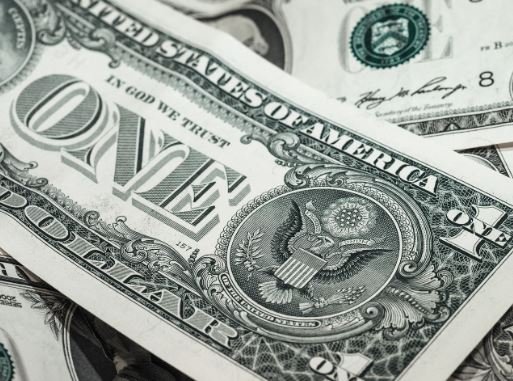
The legacy of the US Dollar has been shaped by figures like Alexander Hamilton and milestones like the Gold Standard Act and Bretton Woods system.
When was the U.S. dollar officially established, and what influenced its creation?
The U.S. dollar was established in 1792 with the Coinage Act of 1792, modeled after the widely circulated Spanish dollar.
What role did the Continental Congress play in U.S. monetary history?
The Continental Congress issued paper currency, known as “Continentals,” during the Revolutionary War, but they suffered severe depreciation and became worthless by 1781.
What was the significance of the Coinage Act of 1792?
The act established the dollar as the national standard unit of account and introduced a bimetallic standard based on silver and gold.
How did the Civil War impact U.S. currency?
During the Civil War, new paper currencies like Demand Notes and National Bank Notes were issued, solidifying the dollar as the sole legal currency.
What was the Bland-Allison Act of 1878, and why was it important?
The Bland-Allison Act mandated the purchase and coinage of silver, partially reviving its role in the monetary system during debates over bimetallism.
How did the Gold Standard Act of 1900 influence the dollar?
It formally established the gold standard, ensuring that the dollar’s value was directly tied to a specific amount of gold.
What changes occurred to the dollar during the Great Depression?
In 1933, the Gold Reserve Act ended the dollar’s domestic gold convertibility and banned private ownership of significant amounts of gold.
What is the modern role of the U.S. dollar?
The dollar is a fiat currency and the world’s primary reserve currency, symbolizing global economic stability and dominance.