History of Rastafari: When and how did the religion begin?
Rastafari is an Abrahamic religion and social movement that emerged in Jamaica in the 1930s, blending Christian and Afrocentric beliefs while revering Haile Selassie as a central figure.

Many Rastafarians adopt the Ethiopian Royal Standard, a flag from Haile Selassie’s era. This banner features the red, gold, and green colors alongside the Lion of Judah, an emblem of Ethiopia’s monarchy.
Summary
Rastafari is an Abrahamic religion that emerged in Jamaica during the 1930s, classified by scholars as both a new religious movement and a social movement. With no central authority or governing body, Rastafari is diverse in practice and belief.
Adherents, commonly referred to as Rastafari, Rastafarians, or Rastas, base their faith on an interpretation of the Bible. A key aspect of Rastafari theology is the belief in a singular God, known as Jah, who is believed to dwell partially within each individual. The religion assigns a central role to Haile Selassie, the Emperor of Ethiopia from 1930 to 1974, whom many Rastas revere as Jah incarnate, the Second Coming of Jesus, or a divine prophet.
Rastafari is inherently Afrocentric, emphasizing the significance of the African diaspora and advocating for its liberation from Western oppression, which adherents refer to as “Babylon.” Many Rastas believe in repatriation to Africa, the Promised Land, also called “Zion.” Rastafari practices, collectively known as “livity,” include adherence to an Ital diet, the wearing of dreadlocks, and adherence to traditional patriarchal gender roles. Communal gatherings, called “groundations,” feature music, chanting, discussions, and cannabis smoking, which Rastas regard as a sacrament.

A Rastafarian in Barbados
READ ALSO: Most Famous Emperors of Ethiopia
Origins and Historical Development
Early Influences and the Role of Marcus Garvey
Rastafari arose among Afro-Jamaican communities during the 1930s as a response to British colonial rule and racial oppression. It was influenced by Ethiopianism and the Back-to-Africa movement, both of which emphasized African pride and self-determination. The ideas of black nationalist leader Marcus Garvey played a crucial role in shaping Rastafari ideology. Although Garvey did not found Rastafari, his advocacy for Pan-Africanism and his prophecy of a “black king” in Africa being crowned resonated deeply among Jamaicans when Haile Selassie was crowned Emperor of Ethiopia in 1930.
Marcus Garvey is said to have prophesied the rise of a black king who would be the redeemer of African people, a claim that gained significance when Selassie was crowned Emperor of Ethiopia.
The Coronation of Haile Selassie and the Early Rastas
After Haile Selassie’s coronation, several Jamaican preachers, including Leonard Howell, Archibald Dunkley, Robert Hinds, and Joseph Hibbert, proclaimed him as the black messiah prophesied in the Bible. Howell, often regarded as the first Rastafarian leader, established the Ethiopian Salvation Society and later founded the Pinnacle commune in Jamaica, where he and his followers sought to live independently from colonial rule.

Haile Selassie
Conflict with Jamaican Society and the Role of Reggae
Throughout the 1940s and 1950s, Rastafari faced opposition from the Jamaican government, which saw the movement as a threat to colonial order. Police frequently targeted Rastas, often arresting them for cannabis possession. However, in the 1960s and 1970s, Rastafari gained international recognition through reggae music, particularly through the works of Bob Marley, who popularized its themes of spiritual consciousness, resistance to oppression, and African identity.
Beliefs and Theology
Jah and Haile Selassie
Rastas believe in the immanence of Jah, viewing God as present within all individuals. This belief is reflected in their use of the phrase “I and I,” which signifies unity between humans and the divine. While some Rastas consider Haile Selassie the Second Coming of Jesus Christ, others view him as a prophet who embodies divine qualities but is distinct from God.
The Role of the Bible
Rastafari treats the Bible as a sacred text but asserts that its true meaning has been altered through mistranslation. Many Rastas supplement biblical teachings with texts such as the Holy Piby, The Royal Parchment Scroll of Black Supremacy, and the Kebra Nagast, an Ethiopian text linking Haile Selassie to King Solomon and the Queen of Sheba.
Rastafarians believe Haile Selassie is God incarnate and the “Black Messiah,” fulfilling a prophecy linked to Marcus Garvey about the coming of a black savior.
The Concept of Babylon and Zion
Rastas use the term “Babylon” to refer to Western society, which they see as corrupt and oppressive. In contrast, “Zion” symbolizes Africa, particularly Ethiopia, as the Promised Land where Rastas aspire to return. While early Rastas emphasized physical repatriation, later interpretations focused on mental and spiritual liberation from Babylonian influences.

Practices and Lifestyle
Livity and Ital Diet
Rastas adhere to “livity,” a way of life promoting natural living and spiritual awareness. The Ital diet, which is central to livity, emphasizes natural and unprocessed foods, with many Rastas following a vegetarian or vegan lifestyle. Pork and shellfish are typically avoided due to biblical dietary laws.
Dreadlocks
Dreadlocks are one of the most recognizable symbols of Rastafari, rooted in biblical injunctions such as those found in Numbers 6:5. They symbolize a commitment to natural living and serve as a rejection of Babylonian norms.

A group of Rastafarians in Brazil.
Cannabis as a Sacrament
Rastas regard cannabis, or “ganja,” as a sacrament that facilitates meditation and spiritual enlightenment. They cite biblical passages, such as Genesis 1:29, to justify its use. Cannabis is often smoked during reasoning sessions, where Rastas engage in philosophical discussions about faith and social issues.
Organizational Structure and Mansions
Rastafari is a decentralized movement with several “mansions” or denominations, each with its own interpretation of doctrine:
- Nyahbinghi: The oldest and most traditional sect, emphasizing strict adherence to Haile Selassie as the messiah and rejecting Babylonian influences.
- Bobo Ashanti: Known for their rigid moral code, they emphasize priestly duties, the wearing of turbans, and separation from mainstream society.
- Twelve Tribes of Israel: The most liberal sect, allowing diverse beliefs regarding Haile Selassie’s divinity and advocating for individual Bible study.
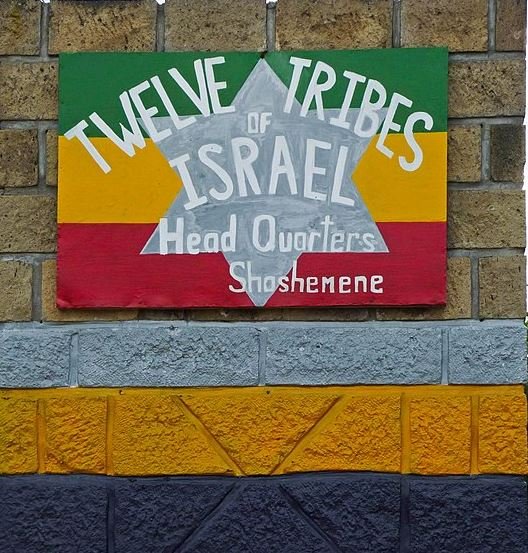
The main base of the Twelve Tribes of Israel community is located in Shashemene, Ethiopia.
Global Influence and Spread
Although originating in Jamaica, Rastafari has spread worldwide, particularly to North America, the United Kingdom, and Africa. The movement gained traction in Africa, especially in Ethiopia and Ghana, where it resonated with Pan-African ideals. The reggae music boom of the 1970s played a key role in Rastafari’s international expansion.
10 significant events that shaped African history during the 20th century
Frequently Asked Questions
Who is Jah in Rastafari?
Jah is the Rastafari name for God, derived from “Jehovah” in the Bible, believed to be present within every individual.
Why do Rastas revere Haile Selassie?
Many Rastas regard Haile Selassie as the Second Coming of Jesus, a divine figure, or a prophet who represents African pride and liberation.
What is the significance of Zion and Babylon in Rastafari?
Zion symbolizes Africa, particularly Ethiopia, as the Promised Land, while Babylon represents Western oppression and corruption.

How does Rastafari view the Bible?
Rastas see the Bible as a key religious text but believe it has been altered and mistranslated by Western powers to suppress black identity.
What role does Marcus Garvey play in Rastafari?
Garvey is seen as a prophet whose call for African unity and repatriation inspired the Rastafari movement.
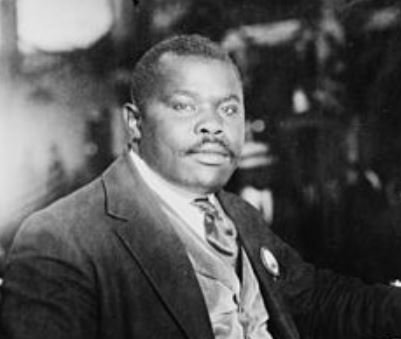
Marcus Garvey
Why do many Rastas grow dreadlocks?
Dreadlocks symbolize a spiritual connection to nature, resistance against Babylon, and adherence to biblical commandments.
What is Ital food in Rastafari?
Ital refers to a natural, plant-based diet free from processed foods, often adhering to vegetarian or vegan principles.
What is the purpose of smoking cannabis in Rastafari?
Cannabis is considered a sacrament used for meditation, spiritual insight, and connecting with Jah.
What are the different Rastafari groups?
The major groups, or “Mansions,” include Nyahbinghi, Bobo Ashanti, and the Twelve Tribes of Israel, each with different interpretations of Rastafari beliefs.
How did reggae music influence Rastafari?
Reggae, particularly through artists like Bob Marley, spread Rastafari messages of resistance, unity, and spirituality worldwide.

Bob Marley on stage.
What is the Rasta stance on race?
Early Rastafari emphasized black empowerment, but today many Rastas accept people of all racial backgrounds who embrace African identity.
How do Rastas practice their faith?
Practices include grounding sessions, drumming, chanting, dietary restrictions, and following principles of natural living.
Where has Rastafari spread beyond Jamaica?
Rastafari has followers worldwide, particularly in the Caribbean, Africa, the U.S., the U.K., and among indigenous groups in Australia and New Zealand.
How is Haile Selassie connected to the biblical House of David?
Selassie claimed descent from King Solomon and the Queen of Sheba, leading Rastafarians to see him as a fulfillment of the Davidic lineage prophesied in the Bible.
Why did Jamaican Rastafarians see Haile Selassie as a liberator?
Many poor and marginalized Jamaicans believed Selassie’s reign symbolized freedom from European colonial rule and oppression, reinforcing their faith in him as the promised savior.





