History of the Rijksmuseum
The Rijksmuseum, located in Amsterdam, is the national museum of the Netherlands. It is dedicated to preserving and showcasing Dutch art and history. Positioned in the Museum Square in Amsterdam South, it shares its location with prominent cultural institutions like the Van Gogh Museum, the Stedelijk Museum Amsterdam, and the Concertgebouw. Known for its vast collection and historical significance, the Rijksmuseum is the largest art museum in the country, attracting millions of visitors annually.
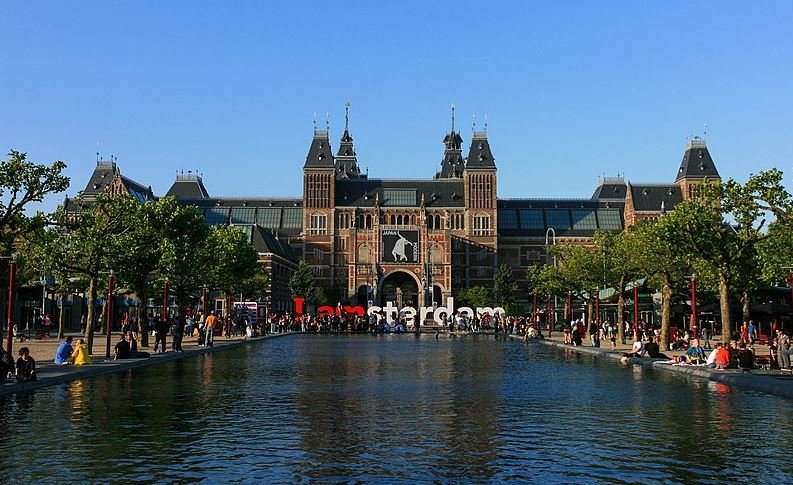
Front view of the Rijksmuseum.
Foundation and Early Years
The Rijksmuseum was established on 19 November 1798 in The Hague by Isaac Gogel, a prominent figure in the Batavian Republic. Its purpose mirrored the French model, such as the Louvre, to serve as a national museum. Initially housed in the Huis ten Bosch palace, its modest beginnings included a collection that could fit in just five rooms.
In 1808, the museum was moved to Amsterdam by the decree of King Louis Bonaparte, Napoleon’s brother. The city’s artistic treasures, including Rembrandt’s The Night Watch, became part of the collection. Initially, the museum was located in the Royal Palace before moving to the Trippenhuis in 1817. However, the Trippenhuis proved inadequate for the growing collection, prompting plans for a larger, purpose-built structure.
19th-Century Expansion
In 1876, Pierre Cuypers won a design contest to construct a new museum building. His design, combining Gothic and Renaissance elements, featured intricate decorations and symbolism reflecting Dutch art history. Construction began in October 1876, and the museum opened at its current location on 13 July 1885. Over the years, additional buildings, such as the Philips Wing, were added to accommodate new collections and exhibitions.
20th-Century Changes
The 20th century brought significant changes to the museum’s infrastructure and layout. In 1906, the hall housing The Night Watch was rebuilt. Between the 1920s and 1950s, the interior underwent modernization, and decorative elements were painted over. Further modifications included the addition of exposition rooms in the 1960s and renovations in the 1980s and 1990s. These updates aimed to enhance visitor experience and preserve the building’s structural integrity.
21st-Century Renovation
In December 2003, the main building was closed for a comprehensive renovation led by Spanish architects Antonio Cruz and Antonio Ortiz. The restoration aimed to merge historical elements with modern designs, creating a seamless blend of old and new architecture. The project, initially planned for five years, took a decade to complete and cost €375 million. The museum reopened on 13 April 2013, with Queen Beatrix officiating the ceremony. The newly renovated building featured restored interior decorations, open atriums, and enhanced exhibition spaces.
Between 2003 and 2013, the Rijksmuseum underwent a €375 million renovation, blending historical and modern architectural elements.
Architecture
The current Rijksmuseum building, designed by Pierre Cuypers, is a masterpiece of 19th-century architecture. Its layout consists of two squares, each with a central atrium. The Gallery of Honour, located on the first floor, serves as the centerpiece, displaying iconic works from the Dutch Golden Age. The museum also includes a research library, recognized as the largest public art history library in the Netherlands.
In addition to the main building, the museum features the Philips Wing, known for its collection of architectural fragments that highlight Dutch architectural history. The Asian Pavilion, designed by Cruz y Ortiz, opened in 2013 and showcases the museum’s small yet significant Asian collection.
Collections and Exhibits
The Rijksmuseum’s collection consists of over 1 million objects, spanning eight centuries (1200–2000). Approximately 8,000 items are on display, with highlights including masterpieces by Dutch artists such as Rembrandt, Johannes Vermeer, Frans Hals, and Jacob van Ruisdael. Notable works include:
- The Night Watch by Rembrandt
- The Milkmaid by Vermeer
- The Threatened Swan by Jan Asselijn
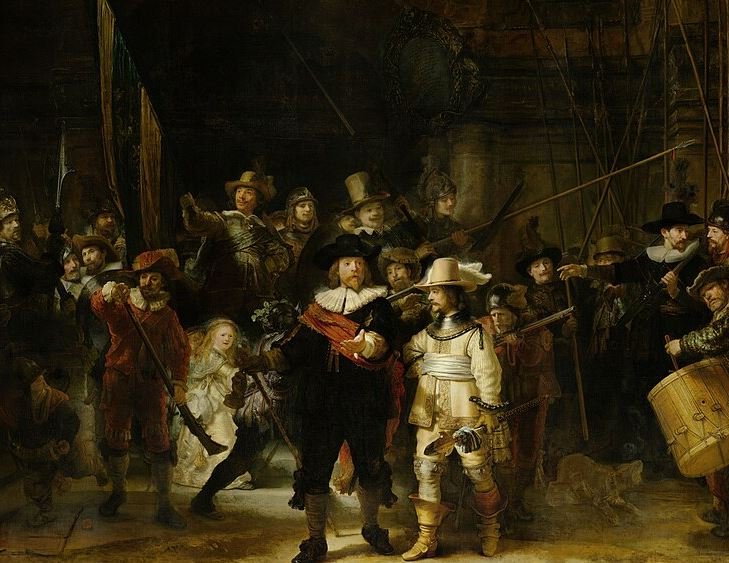
“The Night Watch”, by Dutch painter Rembrandt.
In addition to paintings, the collection includes sculptures, decorative arts, historical objects, and manuscripts. Unique items include the royal crest from HMS Royal Charles and the FK35 Bantam biplane.
Asian Collection
The museum houses a small but valuable Asian collection displayed in the Asian Pavilion. These exhibits provide a glimpse into the artistic and cultural traditions of Asia, enriching the Rijksmuseum’s offerings.
Digital Accessibility
In 2012, the Rijksmuseum launched its Rijksstudio platform, offering high-resolution images of its collection for free. By 2021, over 700,000 works were available online under a Creative Commons license, making art accessible to a global audience.
Special Exhibitions
To commemorate the 350th anniversary of Rembrandt’s death, the Rijksmuseum displayed all its Rembrandt works together for the first time. This included 22 paintings, 60 drawings, and 300 prints, offering an unparalleled insight into the artist’s legacy.
Slavery Exhibition (2021)
In 2021, the Rijksmuseum hosted an exhibition exploring the history of slavery within the Dutch colonial empire. It presented stories of over 1.6 million enslaved individuals, using artifacts, archival documents, and personal accounts. The museum also added labels to permanent exhibits to highlight connections between Dutch wealth and slavery.
Vermeer Exhibition (2023)
The museum organized the largest Vermeer exhibition in history in 2023, displaying 28 of his 37 known works. This once-in-a-lifetime event drew significant attention, with all tickets selling out quickly.
Visitor Statistics
The Rijksmuseum has consistently been one of the most visited museums in the Netherlands. Visitor numbers in recent years have been in the region of 2 million, making it the most popular museum in the country. The museum’s capacity has also been expanded to accommodate more visitors annually.
Frequently Asked Questions
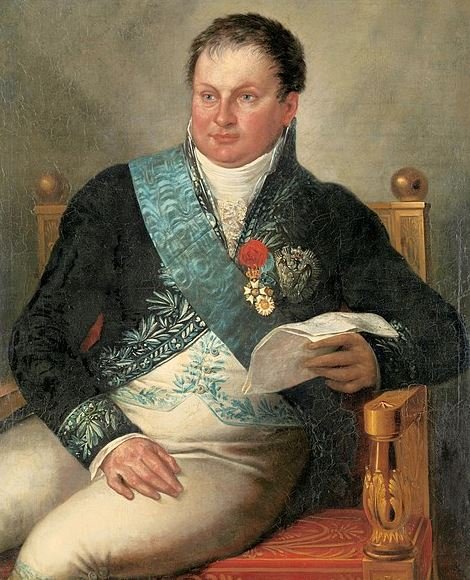
Portrait of Isaac Gogel.
When was the Rijksmuseum founded, and where was it originally located?
The museum was founded on 19 November 1798 in The Hague and moved to Amsterdam in 1808.
Who designed the current main building of the Rijksmuseum?
The current building, opened in 1885, was designed by Pierre Cuypers, featuring a mix of Gothic and Renaissance elements.
What are some notable artworks in the Rijksmuseum’s collection?
Masterpieces by Rembrandt, Johannes Vermeer, and Frans Hals, including “The Night Watch” and “The Milkmaid,” are among its highlights.
How many objects are displayed in the museum, and from what time period?
The museum displays over 7,500 objects from a collection of 1 million, spanning the years 1200–2000.
What special collections does the Rijksmuseum house?
In addition to Dutch Golden Age art, the museum features a small Asian collection displayed in its Asian pavilion.





