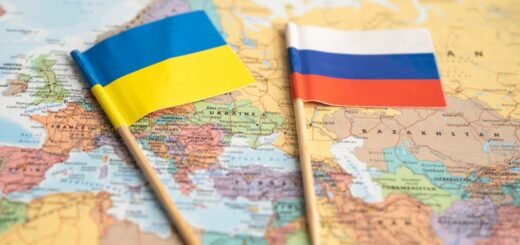
How Have Past Western Responses to Russian Aggression Shaped Today’s War?
To understand how we got to the current war in Ukraine, it’s important to look at how the West—mainly the United States and Europe—has responded to previous acts of Russian aggression. In many ways, today’s full-scale invasion of Ukraine in 2022 is not a surprise. It’s the culmination of decades of Western hesitation, miscalculation, and missed red lines.
Russia didn’t just wake up one day and decide to launch a war. It tested the boundaries, pushed a little more each time, and often met little more than outrage, speeches, and sanctions. Over time, the message became clear: the consequences were manageable.
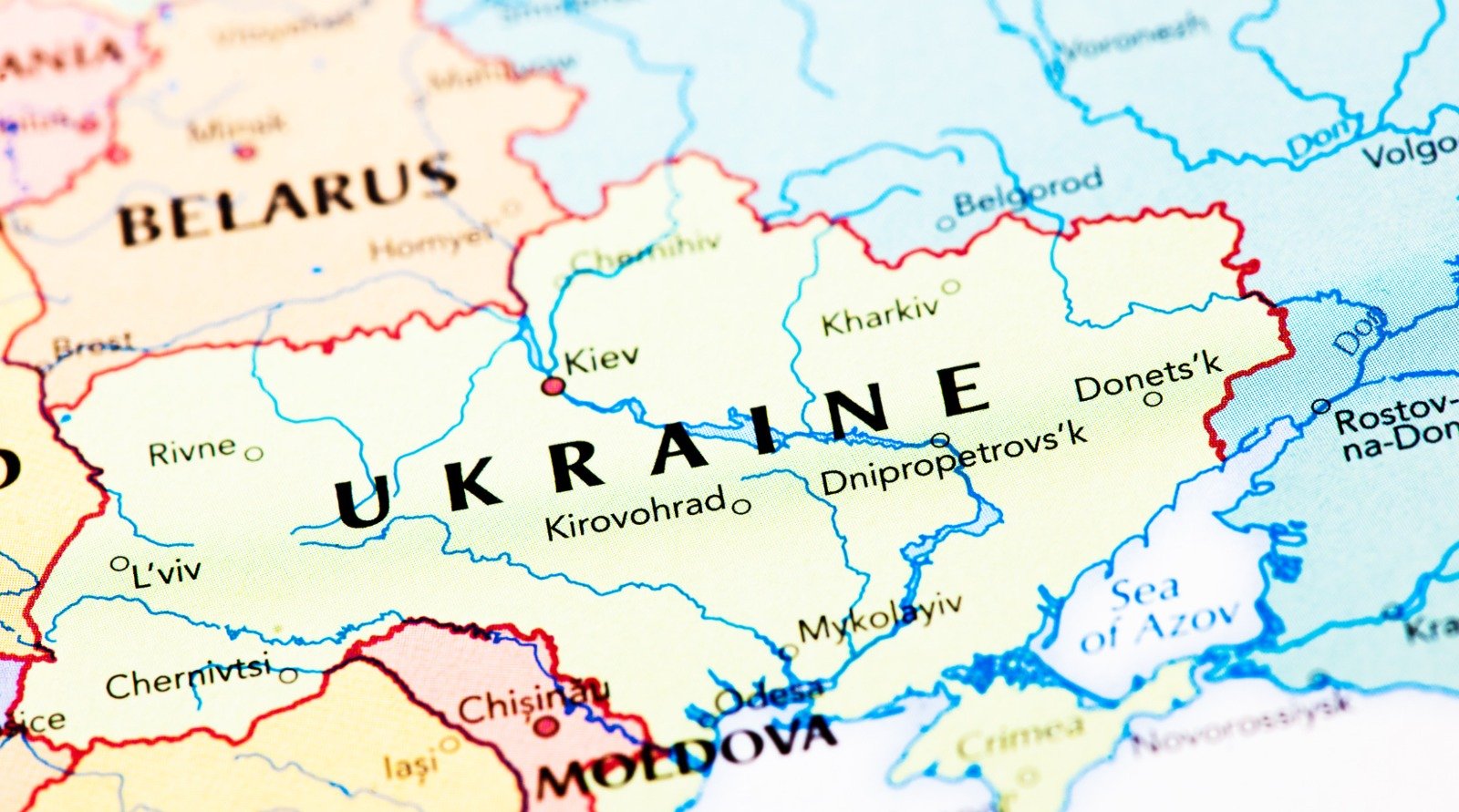
Geography defines the battlefield—but history, and the West’s response to it, shapes the stakes.
The 2008 Invasion of Georgia
Let’s start with Georgia in 2008. Russia invaded the breakaway regions of South Ossetia and Abkhazia, claiming it was protecting ethnic Russians. The result? Georgia lost control of those territories, which are still under Russian influence today.
The Western response? Condemnation, yes. A few sanctions, yes. But no major consequences. Russia saw that it could use military force in a neighboring country and get away with it.
The 2014 Annexation of Crimea
Fast forward to 2014, when Russia annexed Crimea from Ukraine. This was a turning point. It was the first time since World War II that a European country forcefully redrew borders.
Again, the West responded with sanctions and tough talk. But there was no military pushback, no boots on the ground, no real effort to reverse the annexation. Meanwhile, Russia also started arming and supporting separatists in eastern Ukraine, sparking a war that would drag on for years.
For Putin, this was another green light. He got to keep Crimea, stirred chaos in Donbas, and paid a relatively small price for it.
Cyberattacks, Election Interference, and Poisonings
Between 2014 and 2022, Russia kept testing the waters in other ways:
-
Cyberattacks on U.S. infrastructure and European governments
-
Election interference in the U.S., UK, and beyond
-
The poisoning of political opponents on foreign soil, like in the UK (Skripal) and Germany (Navalny)
“Russia didn’t rush into war—it tiptoed, tested, and kept going. And the West’s silence became part of the story.”
Each time, the West responded with limited sanctions and diplomatic expulsions, but never anything that truly threatened Russia’s long-term interests.
Why Didn’t the West Push Back Harder?
There were lots of reasons:
-
Fear of escalating into a broader war
-
Economic ties with Russia, especially in Europe’s energy sector
-
A belief that Putin was bluffing or could be reasoned with
-
Political divisions within NATO and the EU
But the result was the same: Russia pushed, the West paused. And each time, Putin learned that calculated aggression worked.
The Price of Caution
By the time Russia launched its full-scale invasion in 2022, many Ukrainians were already frustrated with Western inaction. To them, this war wasn’t just about territory—it was about the West finally realizing that appeasement doesn’t stop bullies.
It took the horror of bombing cities, killing civilians, and threatening nuclear war for the West to wake up and respond forcefully—with weapons, aid, and stronger sanctions.
But for Ukraine, it was almost too late.
Final Thoughts
The West’s past responses helped shape today’s war—not because leaders were indifferent, but because they underestimated what was at stake. The slow, careful reactions to earlier Russian moves gave Putin the impression that he could keep going.
History teaches us that when aggression goes unchecked, it doesn’t stop—it escalates.