Life and Political Career of Henry Fox, Secretary at War from 1746 to 1755
Henry Fox, 1st Baron Holland (1705–1774), was an influential English Whig politician who held significant offices in mid-18th century Britain. Despite his prominence and ambition, Fox never attained the position of Prime Minister, largely due to political rivalries and shifting alliances. His career is marked by his roles as Secretary at War, Secretary of State for the Southern Department, and Paymaster of the Forces, where he demonstrated political skill, pragmatism, and a pursuit of personal wealth that shaped his legacy.
Early Life and Background
Henry Fox was born on September 28, 1705, into a notable family that provided him with the connections and opportunities conducive to a political career. He was the second son of Sir Stephen Fox, who had been a paymaster general under Charles II and was known for amassing considerable wealth. With the influence and financial resources of his family, Fox had the means to navigate the political landscape of 18th-century Britain, where personal connections and patronage played vital roles.
Fox’s education prepared him for a life in public service. He studied at Eton College, one of England’s most prestigious schools, where he would have been exposed to the classical education that prepared young men of his social status for politics and governance. This foundation laid the groundwork for Fox’s understanding of statecraft and public administration.
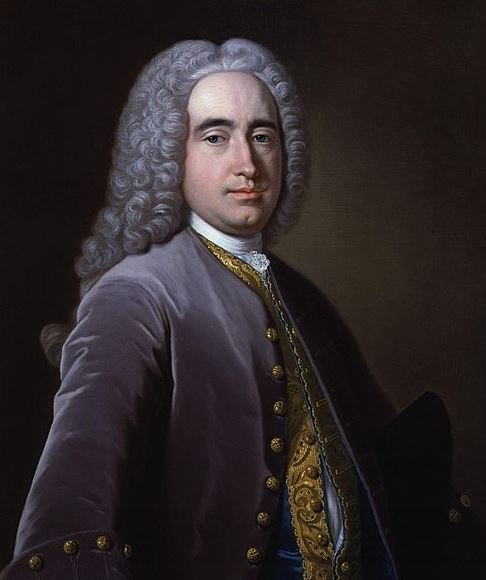
Image: Portrait of Henry Fox, 1st Baron Holland by British painter John Giles Eccardt.
Entry into Politics
Fox’s early political career began in earnest in 1735 when he was elected as a Member of Parliament for Hindon. His entry into the House of Commons marked the start of a career characterized by ambition and a keen understanding of the shifting tides of political power. Fox quickly made a name for himself as a skilled orator and an effective parliamentary operator, traits that would become hallmarks of his career.
His political affiliations were rooted in the Whig party, which at the time dominated British politics. The Whigs were associated with the promotion of constitutional monarchy, the protection of parliamentary power, and the advancement of commercial interests. Fox aligned himself with prominent Whig leaders, which facilitated his rise through the political ranks.
Secretary at War (1746–1755)
Fox’s appointment as Secretary at War in 1746 was a significant milestone in his career. The role placed him in charge of overseeing the administration and financial management of Britain’s military during a period marked by major European conflicts. His tenure coincided with the latter stages of the War of the Austrian Succession (1740–1748), a conflict that involved multiple European powers competing for influence and territory.
As Secretary at War, Fox demonstrated his administrative capabilities. He was responsible for managing military finances, coordinating supply chains, and ensuring the readiness of troops. The position required a balance of logistical expertise and political acumen, as it involved dealing with both military leaders and parliamentary figures to secure funding and support for military campaigns.
Fox’s tenure was notable for his pragmatism and effectiveness in navigating complex wartime governance. He proved adept at securing necessary funds for military operations and maintaining the confidence of the government and military officials. His ability to manage military affairs with precision bolstered his reputation as a reliable administrator.
Political Alliances and Rivalries
While Fox’s career flourished during his time as Secretary at War, it was also marked by significant political rivalries, most notably with William Pitt the Elder. Pitt, a fellow Whig and a gifted orator, represented a more ideologically driven and reformist wing of the party, whereas Fox was known for his pragmatism and willingness to compromise. This distinction in their political styles often put the two men at odds.
Pitt’s popularity with both the public and certain influential political figures created challenges for Fox, who was sometimes viewed as more self-serving due to his pursuit of wealth and political power. The rivalry between Fox and Pitt underscored the factionalism within the Whig party and influenced the broader dynamics of British politics during their era.
Fox’s ability to forge alliances was central to his political strategy. He aligned himself with powerful patrons, including the Duke of Cumberland, who supported Fox’s military policies and provided him with significant backing in Parliament. These alliances allowed Fox to maintain his influence, even as his rivalries with figures like Pitt threatened to undermine his position.
Secretary of State for the Southern Department (1755–1756)
In 1755, Fox’s career took another step forward when he was appointed Secretary of State for the Southern Department. This position was one of the most senior in the British government, responsible for managing foreign affairs, colonial administration, and domestic policy in the southern half of Britain. His appointment to this role highlighted his growing influence within the government and his ability to maneuver politically to secure high office.
Fox’s tenure as Secretary of State was brief but significant. It coincided with the early stages of the Seven Years’ War (1756–1763), a global conflict that would shape the future of European and colonial power. During his time in office, Fox dealt with complex foreign policy issues, including maintaining alliances with European powers and managing colonial interests.
However, his tenure was marked by political difficulties. The outbreak of the Seven Years’ War brought intense scrutiny and pressure to the government. Fox’s position was weakened by his inability to manage the escalating conflict effectively and by his continued rivalry with William Pitt, who emerged as a key figure in directing wartime strategy. Pitt’s leadership and popularity with the public overshadowed Fox’s role, ultimately leading to his resignation in 1756.
Paymaster of the Forces (1757–1765)
Fox’s political career continued as he took on the role of Paymaster of the Forces from 1757 to 1765. This position, while not as politically influential as Secretary of State, was financially rewarding and allowed Fox to amass significant personal wealth. The role involved overseeing military finances, including the distribution of funds for army expenses and soldier payments.
During this period, Fox’s reputation as a shrewd financier grew. He was known for using the office to bolster his own financial standing, a practice not uncommon at the time but one that attracted criticism. Fox’s actions as Paymaster contributed to perceptions of him as a politician motivated by personal gain. Despite this, his financial management was efficient, and he maintained the trust of those in power, ensuring his continued presence in government circles.
Ambitions and Challenges to Leadership
Although Fox held significant offices and wielded considerable power, he never achieved his ambition of becoming Prime Minister. His failure to attain the highest office was due to several factors, including his rivalry with Pitt and the internal divisions within the Whig party. Pitt’s ability to appeal to both the public and influential political figures often left Fox in a secondary position.
Fox’s pragmatic approach, which included compromising and shifting alliances to maintain his influence, was seen by some as opportunistic. This reputation, coupled with his financial dealings as Paymaster, limited his support among certain factions of the Whigs and among the public.
Family Legacy and Influence
Fox’s legacy extended beyond his own career through his children, particularly his third son, Charles James Fox. Charles became one of the most significant Whig statesmen of his time, known for his eloquence, advocacy for parliamentary reform, and fierce opposition to King George III’s policies. While Henry Fox was seen as a figure of pragmatism and personal ambition, his son embodied a more idealistic and reformist spirit, advocating for issues such as the abolition of the slave trade and greater political representation.
The relationship between father and son highlighted the continuity of political influence within the Fox family. Henry Fox’s career set the stage for Charles James Fox’s rise, and while their political approaches differed, both left indelible marks on British history.
Complexity of 18th-Century Politics
Henry Fox’s career serves as a lens through which to understand the complexities of 18th-century British politics. This era was characterized by shifting alliances, intense rivalries, and a political culture where personal ambition and public service were deeply intertwined. Fox’s actions reflected the norms of the time, where securing wealth and influence often went hand in hand with public office.
Fox’s willingness to compromise and align himself with powerful patrons helped him navigate the volatile political landscape, but it also contributed to perceptions of him as a politically self-serving figure. His rivalry with Pitt exemplified the factional struggles within the Whig party and highlighted the challenges faced by those who sought to balance personal ambition with public duty.
Death and Legacy
Henry Fox died on July 1, 1774, having established himself as a significant, though controversial, figure in British politics. He left behind a legacy that was complex, shaped by both his substantial contributions to government and his reputation for personal gain. While he never reached the highest office, his influence on military administration, foreign policy, and financial management underscored his importance in the political arena.
Frequently Asked Questions

When and where was Henry Fox born?
He was born on September 28, 1705.
What position did Henry Fox hold from 1746 to 1755, and what did it involve?
Fox served as the Secretary at War, overseeing military administration and managing Britain’s armed forces during conflicts like the War of the Austrian Succession.
What role did Fox assume in 1755, and why was it significant?
In 1755, Fox became Secretary of State for the Southern Department, handling major domestic and foreign policy matters. This brief tenure marked an expansion of his influence during the early stages of the Seven Years’ War.
What was Fox’s position from 1757 to 1765, and how did it impact him financially?
Fox held the post of Paymaster of the Forces, a lucrative position that allowed him to enrich himself significantly. His reputation as a shrewd financier grew, but he also faced criticism for profiting from public funds.

Image: Canting arms of Henry Fox, 1st Baron Holland
Why did Fox never become Prime Minister despite his influence?
Fox’s ambitions were thwarted by shifting alliances and opposition within the Whig party, including rivalry with William Pitt the Elder, who was more ideologically driven.
Who was Henry Fox’s third son, and what was his significance?
His third son was Charles James Fox, a notable Whig statesman known for his eloquence, support for parliamentary reform, and opposition to King George III’s policies.
How did Henry Fox’s career reflect the nature of 18th-century British politics?
His career exemplified the era’s intertwining of personal ambition, financial gain, and political maneuvering, highlighting both his influence and the controversies surrounding his methods.
What legacy did Henry Fox leave behind?
Fox’s legacy included his substantial roles in government and the influence he passed to his son, Charles James Fox. He is remembered as a skilled yet controversial figure who contributed to shaping British governance.
When did Henry Fox die, and what marked the end of his legacy?
Henry Fox passed away on July 1, 1774, leaving behind a legacy marked by both political acumen and the pursuit of personal enrichment.