South Africa’s history has been shaped by remarkable individuals who fought for freedom, justice, and progress. From leading anti-apartheid movements to excelling in science, literature, and sports, these figures have left lasting legacies.
READ MORE: Brief history of South Africa and why it has three capital cities
Below, World History Edu explores some of the most influential South Africans and their contributions.
Nelson Mandela (1918–2013) – The Father of the Nation
Nelson Mandela remains one of the most celebrated leaders in world history. As the first Black president of South Africa, he played a crucial role in dismantling apartheid and ushering in a democratic era.
Born in the rural village of Mvezo in the Eastern Cape, Mandela’s early exposure to African leadership through his royal lineage shaped his political consciousness. After studying law, he became a key figure in the African National Congress (ANC) and co-founded its Youth League, advocating for resistance against white minority rule.

South Africa’s First Black President Nelson Mandela
Mandela’s role in the 1952 Defiance Campaign and the 1956 Treason Trial cemented his leadership status. In 1961, he co-founded Umkhonto we Sizwe, the ANC’s armed wing, leading to his arrest and the infamous Rivonia Trial in 1964. Sentenced to life imprisonment, he spent 27 years behind bars, primarily on Robben Island.
Nelson Mandela (1918–2013) led the anti-apartheid struggle and later became South Africa’s first Black President in 1994.
His release in 1990 marked the beginning of a new era. Mandela led negotiations for a peaceful transition, culminating in South Africa’s first democratic elections in 1994, where he was elected president. His leadership emphasized reconciliation, as seen in the Truth and Reconciliation Commission. Even after stepping down in 1999, he remained a global advocate for human rights.
Nelson Mandela’s role in the fight against apartheid in South Africa
Oliver Tambo (1917–1993) – The Architect of Liberation
Oliver Reginald Tambo was a key strategist in the ANC, particularly during its years in exile. He played an instrumental role in securing international support for the anti-apartheid struggle.
Born in Bizana, Eastern Cape, Tambo’s early education was marked by excellence. He studied at the University of Fort Hare but was expelled for student activism. In the 1940s, he co-founded the ANC Youth League alongside Nelson Mandela and Walter Sisulu, promoting a more militant approach to resistance.
After the Sharpeville Massacre in 1960, Tambo was sent abroad to garner international backing for the ANC. For three decades, he lobbied governments, organized resistance efforts, and ensured that apartheid remained a global issue. His leadership helped keep the ANC united during difficult years of exile.
In 1990, he returned to South Africa, witnessing the country’s transition to democracy. His contributions were vital in laying the foundation for post-apartheid governance.

Oliver Tambo
Desmond Tutu (1931–2021) – The Voice of Moral Authority
Archbishop Desmond Tutu was a powerful advocate for justice, human rights, and reconciliation. As a prominent religious leader, he used his platform to challenge the apartheid regime and promote peace.
Born in Klerksdorp, Tutu initially pursued teaching before turning to theology. As a priest, he became a vocal critic of apartheid, leading non-violent resistance. In 1984, he was awarded the Nobel Peace Prize for his efforts.
Desmond Tutu (1931–2021) was an Archbishop and human rights activist, known for his role in the Truth and Reconciliation Commission.
During the late 1980s, Tutu played a crucial role in urging international sanctions against the South African government. Following apartheid’s collapse, he chaired the Truth and Reconciliation Commission (TRC), emphasizing restorative justice over retribution. His advocacy for LGBTQ+ rights and social justice continued until his death in 2021.

Desmond Tutu
Archbishop Desmond Tutu: Presidential Medal of Freedom Recipient (2009)
Steve Biko (1946–1977) – The Champion of Black Consciousness
Steve Biko was a revolutionary leader who founded the Black Consciousness Movement (BCM), inspiring Black South Africans to embrace their identity and resist apartheid psychologically and politically.
Born in King William’s Town, Biko’s activism began in university, where he opposed the oppressive education system. In 1968, he co-founded the South African Students’ Organisation (SASO), promoting self-liberation. His slogan, “Black is Beautiful,” became a rallying cry for empowerment.
Biko’s influence made him a target of the government. He was arrested multiple times and ultimately died in police custody in 1977 due to severe beatings. His death sparked international outrage, further isolating the apartheid regime.
His legacy endures as a symbol of Black dignity and resistance.

Steve Biko
Albertina Sisulu (1918–2011) – The Matriarch of the Struggle
Albertina Sisulu was a nurse, political activist, and wife of Walter Sisulu. She played a crucial role in organizing women’s resistance against apartheid, particularly through the Federation of South African Women. Her activism led to repeated imprisonments, yet she remained steadfast in her commitment to democracy and social justice.
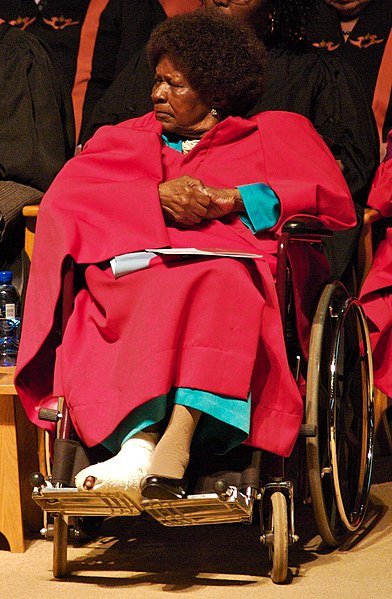
Albertina Sisulu
Chris Hani (1942–1993) – The Revolutionary Fighter
Chris Hani was a militant anti-apartheid leader who played a crucial role in armed resistance. As the chief of staff of Umkhonto we Sizwe (MK) and leader of the South African Communist Party (SACP), he advocated for socialist policies in a post-apartheid South Africa.
Born in the Eastern Cape, Hani joined the ANC Youth League and later MK, undergoing military training abroad. He was involved in guerrilla warfare operations against the apartheid government.
Chris Hani (1942–1993) was the leader of the South African Communist Party (SACP) and Umkhonto we Sizwe.
His assassination in 1993 by right-wing extremists nearly derailed the country’s transition to democracy. However, Nelson Mandela’s leadership in calming tensions ensured that South Africa did not descend into civil war.
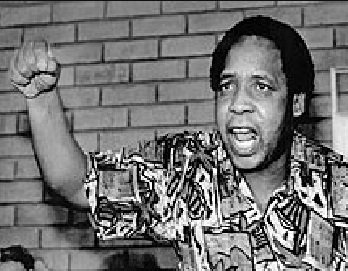
Chris Hani
Miriam Makeba (1932–2008) – The Voice of Africa
Miriam Makeba, known as “Mama Africa,” was a legendary singer and anti-apartheid activist. Through her music, she brought global awareness to the struggles of Black South Africans.
Born in Johannesburg, Makeba’s career took off in the 1950s with The Manhattan Brothers. Her outspoken criticism of apartheid led to her exile in 1960. She became the first African woman to win a Grammy Award in 1966.
Her song “Pata Pata” and performances before the United Nations solidified her role as a cultural ambassador for justice. After 30 years in exile, she returned to South Africa following Mandela’s release.
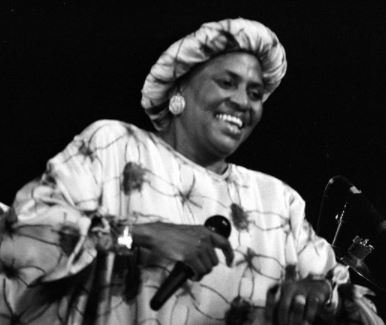
Miriam Makeba
Nadine Gordimer (1923–2014) – The Literary Conscience
Nadine Gordimer was a Nobel Prize-winning author whose works exposed the brutality of apartheid.
Born in Springs, Gauteng, she began writing at an early age. Her novels, such as “Burger’s Daughter” and “July’s People,” were banned for their anti-apartheid themes. She also worked with the ANC, helping to smuggle messages during Mandela’s imprisonment.
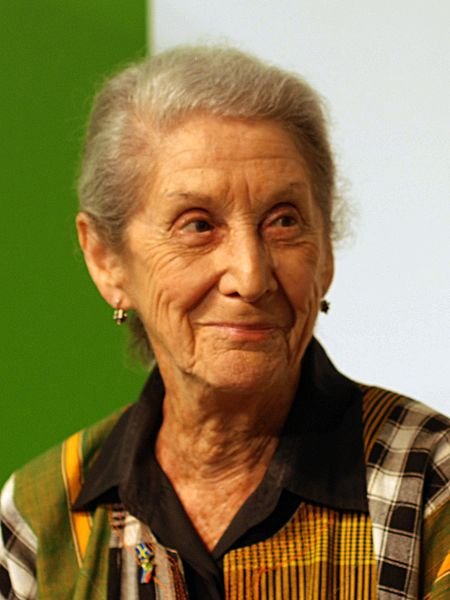
Nadine Gordimer
Nadine Gordimer (1923–2014), a Nobel Prize-winning author, wrote about apartheid injustices.
Thabo Mbeki (b. 1942) – The Intellectual Statesman
Thabo Mbeki was a key figure in South Africa’s post-apartheid transition, serving as President from 1999 to 2008. A skilled diplomat, he played a major role in Africa’s economic and political development.
Born in the Eastern Cape, Mbeki was deeply involved in the ANC’s underground activities before going into exile. He studied in the UK and worked closely with Oliver Tambo in mobilizing international support.
As Mandela’s deputy, Mbeki was instrumental in shaping South Africa’s economic policies, promoting African Renaissance, and establishing the New Partnership for Africa’s Development (NEPAD). His presidency, though marked by economic growth, faced criticism for his handling of the HIV/AIDS crisis.
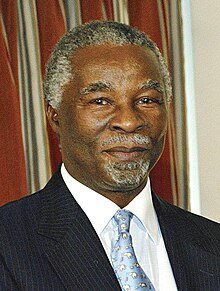
Thabo Mbeki
Despite his controversial exit from office in 2008, Mbeki’s diplomatic contributions to Africa remain significant.

Winnie Madikizela-Mandela (1936–2018) – The Mother of the Nation
Winnie Mandela was a fierce anti-apartheid activist who endured decades of state persecution. While Nelson Mandela was imprisoned, she became the face of resistance, leading protests and mobilizing youth against apartheid forces. Despite controversies, including accusations of human rights abuses, she remained a powerful symbol of defiance and resilience. Her political career continued after apartheid, and she remains one of the most debated figures in South African history.
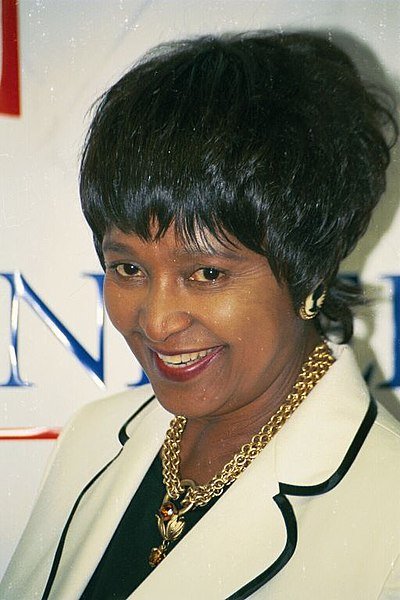
Winnie Madikizela-Mandela
10 significant events that shaped African history during the 20th century





