Most Renowned French Romantic Painters and their Masterpieces
The Romantic movement, flourishing in Europe during the late 18th and early 19th centuries, marked a significant departure from the rationalism and order of the Enlightenment.
In France, Romanticism found a vibrant expression in the visual arts, characterized by an emphasis on emotion, individualism, and the sublime in nature. French Romantic painters sought to capture intense personal feelings, dramatic landscapes, and historical narratives, often infusing their works with a sense of mystery and grandeur.
In the article below, World History Edu delves into some of the most renowned French Romantic painters and their masterpieces, highlighting their contributions to the movement and their enduring legacy in art history.
Eugène Delacroix (1798–1863)

Image: Eugène Delacroix
Masterpiece: “Liberty Leading the People” (1830)
Eugène Delacroix is arguably the most prominent figure of French Romantic painting. His dynamic compositions, vivid color palette, and expressive brushwork exemplify the Romantic spirit. “Liberty Leading the People,” created in 1830, is a seminal work that commemorates the July Revolution in France. The painting personifies Liberty as a heroic female figure, Marianne, leading a diverse group of people over a barricade and the bodies of the fallen, symbolizing the fight for freedom and equality. Delacroix’s ability to convey movement, emotion, and nationalistic fervor through his art solidified his status as a leading Romantic artist.
Other Notable Works:
- “The Death of Sardanapalus” (1827): Depicts the legendary Assyrian king’s last moments, showcasing Delacroix’s fascination with dramatic narratives and rich, tumultuous compositions.
- “Women of Algiers in Their Apartment” (1834): Demonstrates his interest in Orientalism and the exploration of exotic themes, blending Romanticism with a fascination for the “other.”

Image: “Women of Algiers in Their Apartment”
Théodore Géricault (1791–1824)
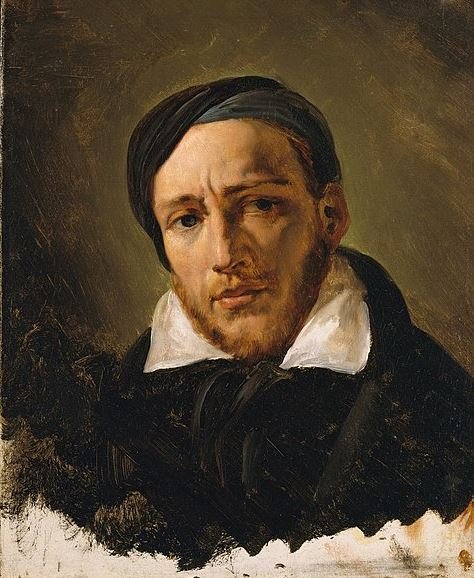
Image: Horace Vernet’s painting of Théodore Géricault.
Masterpiece: “The Raft of the Medusa” (1818–1819)
Théodore Géricault’s “The Raft of the Medusa” is a monumental work that embodies the Romantic ideals of emotion, drama, and the sublime. The painting portrays the aftermath of the wreck of the French naval frigate Méduse, where survivors endured unimaginable suffering. Géricault’s meticulous research, including studying cadavers and conducting eyewitness interviews, lent a stark realism to the depiction. The composition, with its tumultuous waves and anguished figures, evokes a powerful emotional response, highlighting the human struggle against nature and fate.
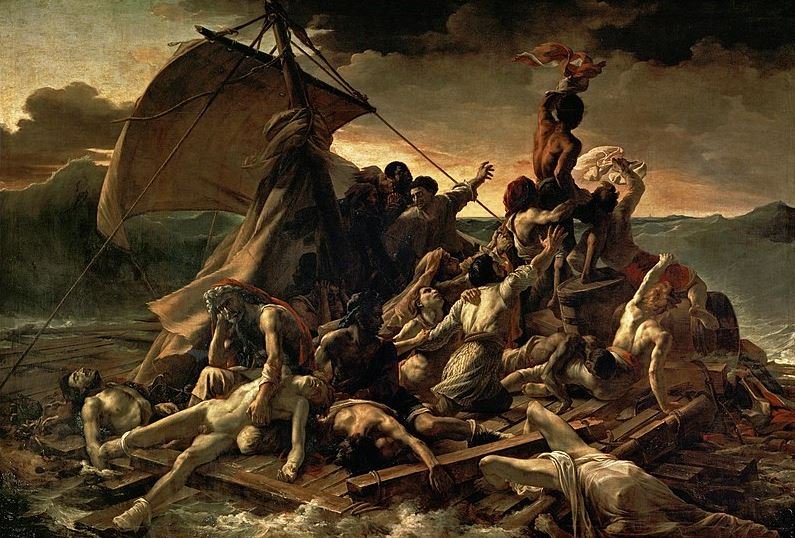
“The Raft of the Medusa”
Other Notable Works:
- “The Charging Chasseur” (1812): While earlier than his most famous work, this painting captures dynamic movement and military fervor, reflecting Romanticism’s interest in heroism and individual valor.
- “The Horse Frightened by a Snake” (c. 1819): Exhibits Géricault’s skill in depicting motion and emotion in animal forms, adding to his diverse thematic repertoire.
Jean-Auguste-Dominique Ingres (1780–1867)
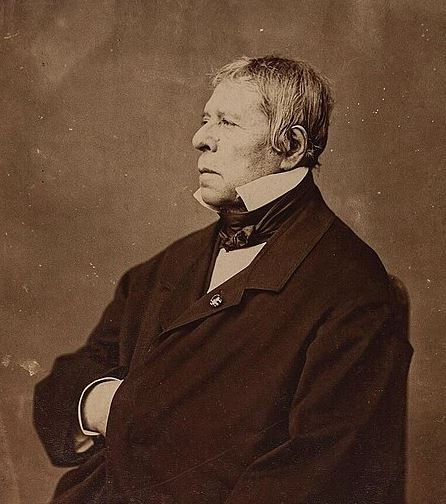
Image: Jean-Auguste-Dominique Ingres
Masterpiece: “The Grand Odalisque” (1814)
Although Ingres is often associated with Neoclassicism, his work also embodies Romantic elements, particularly in his pursuit of beauty, exoticism, and emotional depth. “The Grand Odalisque” portrays an idealized, reclining female figure in an Orientalist setting. The elongated proportions and sensuous portrayal reflect Romanticism’s fascination with the exotic and the sublime. Ingres’s meticulous attention to detail and his ability to blend classical form with Romantic emotion bridge the two artistic movements.
Other Notable Works:
- “La Source” (1856): Combines classical themes with a romanticized natural setting, emphasizing harmony and aesthetic beauty.
- “The Valpinçon Bather” (1808): Showcases his skill in depicting the human form with grace and subtle emotion, aligning with Romantic ideals of individual expression.
Horace Vernet (1789–1863)
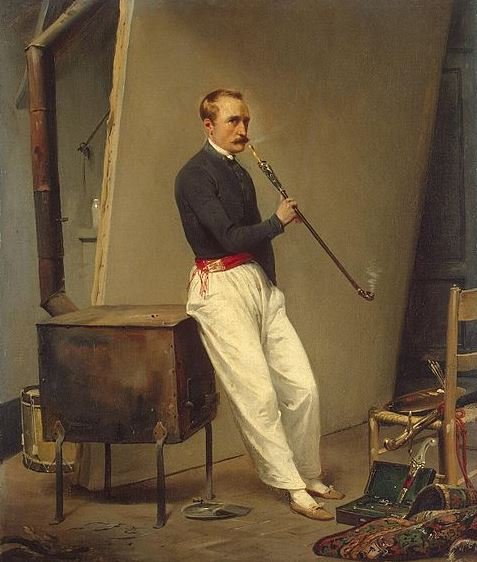
Image: Horace Vernet
Masterpiece: “Battle of the Moscows” (1827)
Horace Vernet was a versatile painter known for his military and historical scenes, as well as his Orientalist works. “Battle of the Moscows” captures the chaos and intensity of warfare, highlighting Vernet’s ability to convey motion and emotion. His paintings often celebrate heroism and national pride, resonating with Romanticism’s emphasis on grand narratives and dramatic subjects.
Other Notable Works:
- “The Battle of Hohenlinden” (1800): Depicts a significant battle with dynamic composition and vivid detail, emphasizing the tumult of conflict.
- “The Lion Hunt” (c. 1830): Reflects his Orientalist interests, portraying exotic hunts with rich color and vigorous action.
François Gérard (1770–1837)
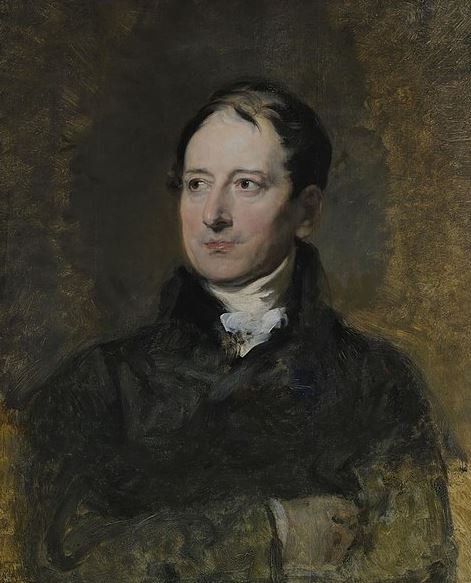
Image: Thomas Lawrence’s portrait of François Gérard.
Masterpiece: “Madame de Staël” (1803)
François Gérard was a prominent portraitist whose works exuded elegance and psychological depth, aligning with Romanticism’s focus on individualism and emotion. “Madame de Staël” portrays the renowned French writer with grace and introspection, capturing her intellectual and emotional presence. Gérard’s ability to convey the sitter’s personality and status through refined technique and subtle expression exemplifies the Romantic emphasis on personal narrative.
Other Notable Works:
- “Portrait of Caroline Bonaparte” (1805): Demonstrates his skill in portraying figures of power and nobility with dignity and emotional nuance.
- “Jeanne d’Albret” (1804): Combines historical subject matter with a Romantic sensibility, highlighting the subject’s regal bearing and inner strength.
Casimir Delavigne (1793–1843)
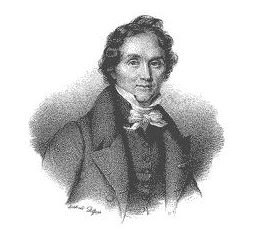
Image: Casimir Delavigne
Masterpiece: “The Poet’s Dream” (1835)
Casimir Delavigne, though primarily known as a poet and playwright, also contributed to the Romantic visual arts. “The Poet’s Dream” encapsulates Romanticism’s idealization of the artist as a visionary and the intertwining of reality and imagination. The painting portrays a contemplative poet amidst a fantastical landscape, symbolizing the Romantic quest for inspiration and the transcendent power of creativity.
Other Notable Works:
- “The Artist’s Studio” (c. 1830): Explores the relationship between the artist and their creative environment, emphasizing introspection and emotional depth.
- “The Vision of Dante” (1832): Reflects Romanticism’s engagement with literary and mythical themes, blending narrative storytelling with visual expression.
Alexandre Cabanel (1823–1889)
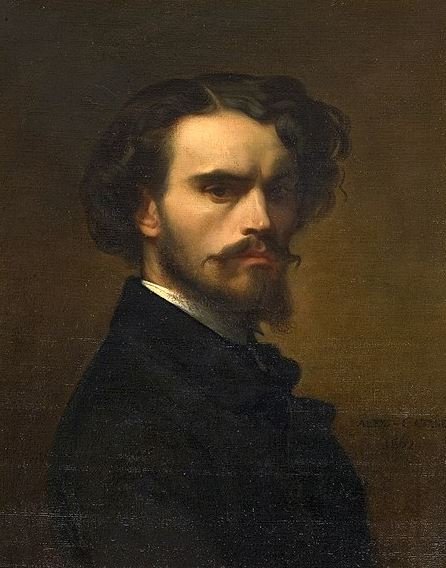
Image: Alexandre Cabanel
Masterpiece: “The Birth of Venus” (1863)
Alexandre Cabanel, while emerging in the latter part of the Romantic era, incorporated its sensibilities into his academic style. “The Birth of Venus” exemplifies his mastery of the human form and his ability to infuse classical mythology with Romantic elegance and emotional resonance. The painting presents Venus in a serene and idealized manner, combining meticulous technique with a lyrical, almost ethereal quality that resonates with Romantic ideals.
Other Notable Works:
- “The First Mourning” (1865): Blends narrative content with emotional expression, highlighting his capacity to convey profound human experiences.
- “Le Sommeil” (1866): Depicts a reclining female figure with sensual grace, reflecting the Romantic fascination with beauty and the sublime.
Jean-Baptiste-Camille Corot (1796–1875)
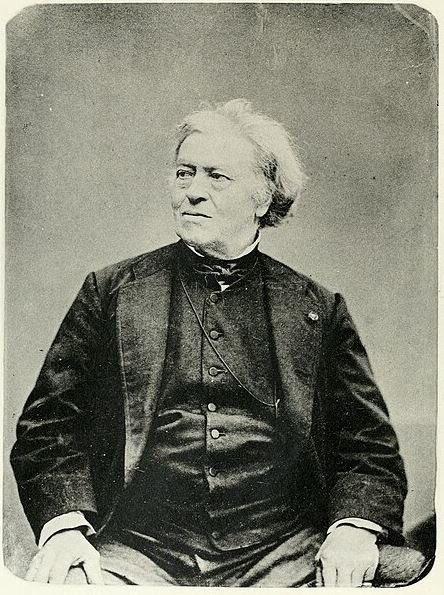
Image: Jean-Baptiste-Camille Corot
Masterpiece: “The Bridge at Narni” (1827)
Jean-Baptiste-Camille Corot was instrumental in bridging Romanticism and Realism, with his landscapes embodying the Romantic love for nature’s beauty and emotional depth. “The Bridge at Narni” captures a serene, picturesque scene with delicate light and harmonious composition, evoking a sense of tranquility and the sublime in nature. Corot’s ability to convey mood and atmosphere through subtle tonal variations and his focus on the natural world align with Romantic ideals.
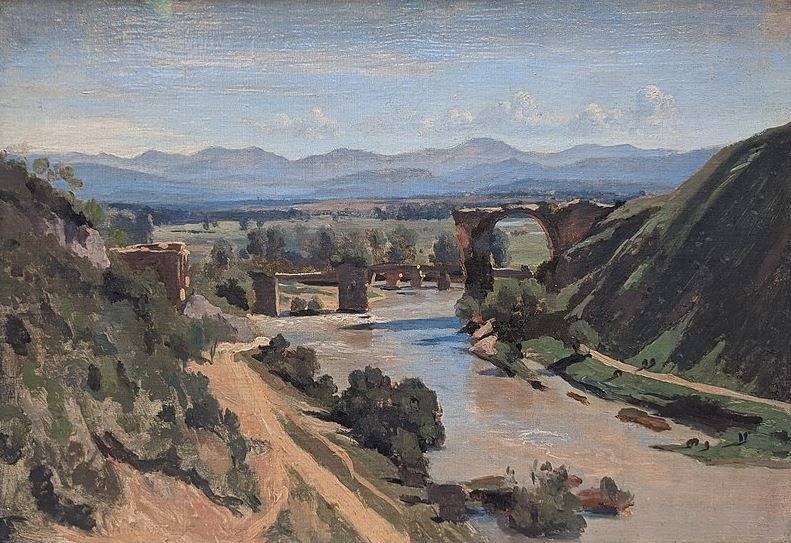
Image: “The Bridge at Narni”
Other Notable Works:
- “Ville d’Avray” (1856): Demonstrates his skill in portraying idyllic landscapes with a poetic sensibility, emphasizing the beauty of everyday scenes.
- “The Pathway to the Lake” (c. 1865): Reflects his mastery in capturing light and shadow, creating evocative and emotionally resonant landscapes.
Louis Hersent (1777–1860)
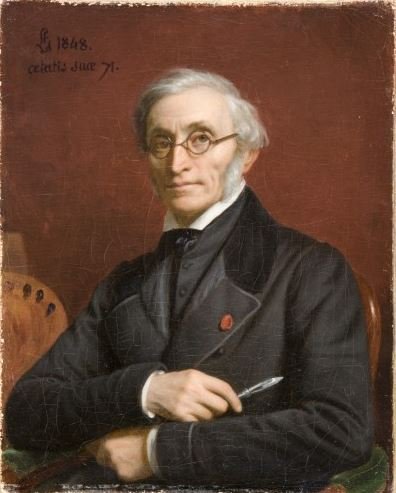
Image: Louis Hersent
Masterpiece: “The Death of Orpheus” (1808)
Louis Hersent was a significant figure in French Romantic painting, known for his dramatic and emotional compositions. “The Death of Orpheus” draws on classical mythology to explore themes of loss and transcendence. The painting’s intense emotion, dynamic composition, and rich color palette exemplify Romanticism’s focus on dramatic narratives and the exploration of human emotion through mythological subjects.
Other Notable Works:
- “Ulysses and Nausicaa” (1811): Combines literary inspiration with emotional depth, portraying a poignant moment from Homer’s epic.
- “Parisian Street” (c. 1825): Reflects his ability to depict everyday life with a Romantic eye for emotion and narrative.
Jean-Victor Bertin (1767–1842)
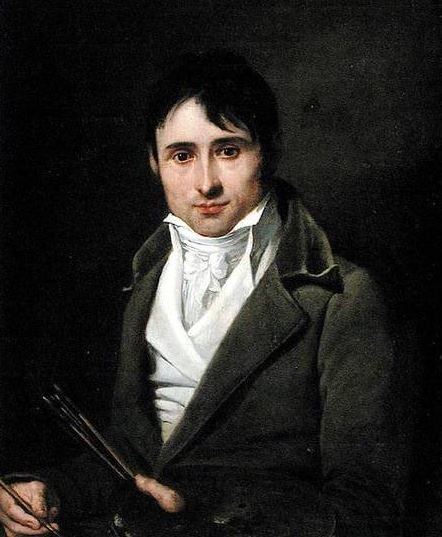
Image: Jean-Victor Bertin
Masterpiece: “Mount Saint Helens” (1827)
Jean-Victor Bertin was renowned for his landscape paintings, which often carried a Romantic sensibility through their emphasis on the sublime and the grandeur of nature. “Mount Saint Helens” captures the awe-inspiring presence of the volcano, utilizing dramatic light and composition to evoke a sense of nature’s overwhelming power. Bertin’s landscapes often explored the interplay between humanity and the natural world, a key theme in Romantic art.
Other Notable Works:
- “View of Vercelli” (1811): Demonstrates his ability to render serene landscapes with a Romantic appreciation for beauty and tranquility.
- “The Ruins of Reynelin Abbey” (c. 1830): Combines historical ruins with natural scenery, highlighting the Romantic fascination with the passage of time and the melancholic beauty of decay.
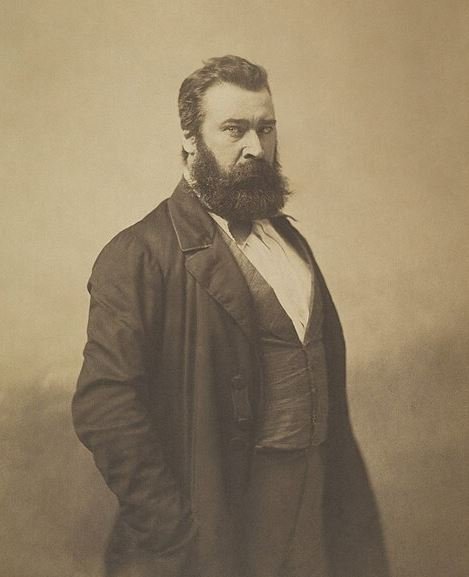
Jean-François Millet (1814–1875)
Masterpiece: “The Gleaners” (1857)
While Millet is often associated with the Realist movement, his early works exhibit strong Romantic influences, particularly in their focus on the dignity and emotional depth of rural life. “The Gleaners” portrays three peasant women collecting leftover grain after the harvest, highlighting their perseverance and resilience. The painting’s solemn atmosphere and emphasis on human struggle reflect Romanticism’s concern with individual experience and the sublime aspects of everyday life.
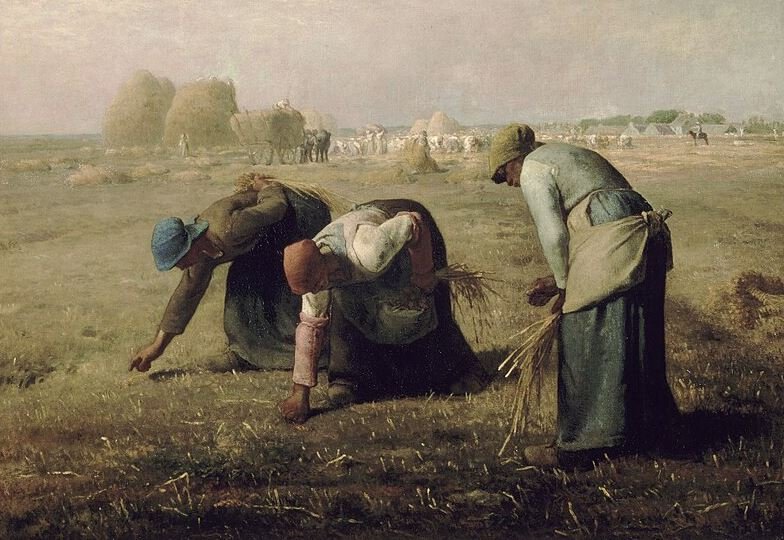
Image: “The Gleaners”
Other Notable Works:
- “The Angelus” (1859): Captures a moment of quiet reflection and piety among peasants, blending realism with Romantic emotional depth.
- “The Sower” (1850): Depicts a solitary farmer sowing seeds, symbolizing hope and the enduring human spirit, themes central to Romantic thought.
Gustave Courbet (1819–1877)
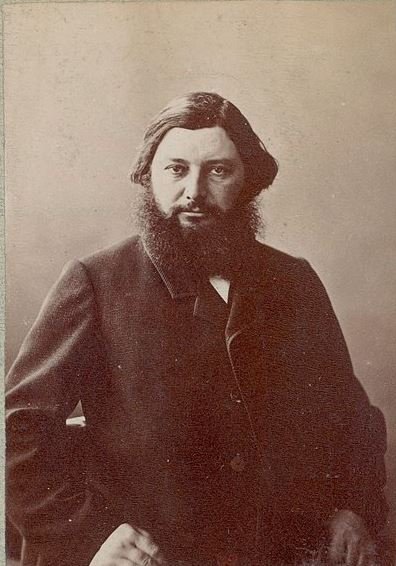
Image: Gustave Courbet
Masterpiece: “The Stone Breakers” (1849)
Gustave Courbet, a leading figure in the Realist movement, initially drew inspiration from Romanticism’s emphasis on emotion and individual experience. “The Stone Breakers” portrays two laborers engaged in the arduous task of breaking stones for construction, highlighting the harsh realities of manual labor. The painting’s unembellished depiction of poverty and toil reflects Romanticism’s concern with the human condition and the struggles of the lower classes.
Other Notable Works:
- “A Burial at Ornans” (1849–1850): Combines Romantic narrative elements with Realist detail, presenting a grand scene of local life with emotional resonance.
- “The Desperate Man” (1843): Exhibits intense emotion and expressive brushwork, aligning with Romanticism’s focus on inner turmoil and personal anguish.
Jean-Louis-Ernest Meissonier (1815–1891)
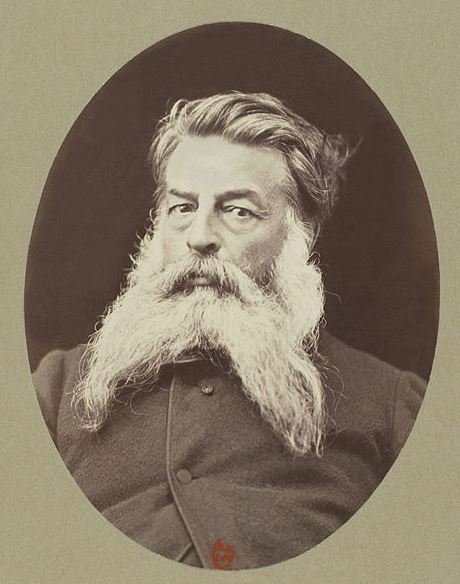
Image: Jean-Louis-Ernest Meissonier
Masterpiece: “Napoleon III at Rehearsal for His Coronation” (1855)
Jean-Louis-Ernest Meissonier was renowned for his highly detailed and meticulously crafted historical scenes, which often carried Romantic sensibilities through their focus on grandeur and narrative depth. “Napoleon III at Rehearsal for His Coronation” captures the Emperor in a moment of preparation, blending historical accuracy with a dramatic portrayal of power and authority. Meissonier’s ability to infuse his works with a sense of narrative and emotional weight reflects Romanticism’s influence on his artistic approach.
Other Notable Works:
- “The Battle of Montmirail” (1851): Depicts a historical battle with precision and dramatic intensity, highlighting his skill in rendering complex scenes.
- “The Emperor Napoleon III in His Study” (1854): Combines intimate portraiture with Romantic narrative elements, emphasizing the personal and authoritative aspects of the subject.
Théodore Rousseau (1812–1867)

Image: Théodore Rousseau
Masterpiece: “The Forest of Fontainebleau” (c. 1855)
Théodore Rousseau was a leading figure in the Barbizon School, which was closely aligned with Romanticism through its focus on naturalism and the emotional portrayal of landscapes. “The Forest of Fontainebleau” exemplifies his dedication to depicting the raw beauty and majesty of the natural world. Rousseau’s works often capture the interplay of light and shadow within dense forests, conveying a sense of mystery and the sublime, key aspects of Romantic art.
Other Notable Works:
- “Autumn in the Forest” (c. 1850): Highlights the changing seasons and the transient beauty of nature, reflecting Romanticism’s appreciation for the ephemeral and the eternal.
- “A Dense Forest” (c. 1858): Emphasizes the immersive and overwhelming presence of nature, evoking feelings of awe and introspection.
Gustave Doré (1832–1883)
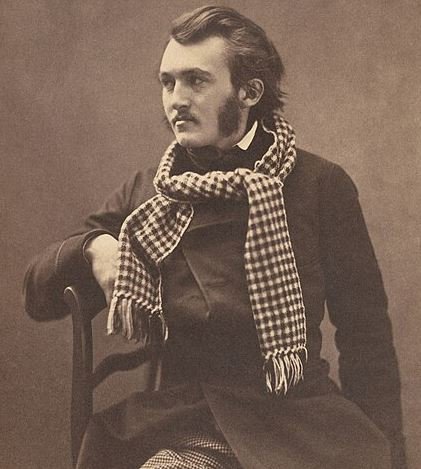
Image: Gustave Doré
Masterpiece: “The Barque of Dante” (c. 1860)
Though primarily known as an illustrator, Gustave Doré’s work embodies Romanticism’s dramatic and imaginative qualities. “The Barque of Dante” is an illustrative masterpiece that captures the epic journey of Dante Alighieri, blending vivid imagination with intense emotion. Doré’s intricate detailing and dynamic compositions bring literary Romanticism to life through visual storytelling, showcasing his ability to evoke awe and wonder.
Other Notable Works:
- Illustrations for “The Divine Comedy”: Demonstrate his ability to interpret complex literary themes with visual intensity and creativity.
- “The Rime of the Ancient Mariner” Illustrations: Capture the haunting and mystical elements of Coleridge’s poem, reflecting Romanticism’s fascination with the supernatural and the sublime.
Charles Gleyre (1806–1874)
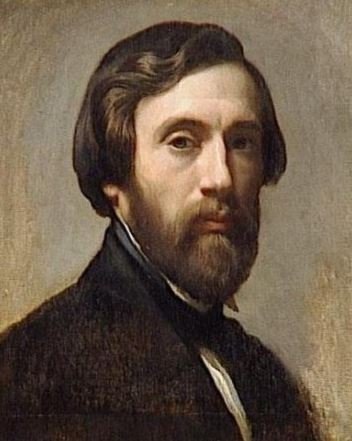
Image: Charles Gleyre
Masterpiece: “The Goddess of Love” (c. 1850)
Charles Gleyre was an influential teacher and painter who contributed to the Romantic movement through his classical and mythological subjects infused with emotional depth. “The Goddess of Love” portrays a serene and ethereal figure, blending classical ideals with Romantic sensibilities. Gleyre’s works often explore themes of beauty, love, and mythology, emphasizing the harmonious interplay between form and emotion.
Other Notable Works:
- “Prometheus” (c. 1855): Combines dramatic narrative with classical myth, highlighting the Romantic fascination with heroism and suffering.
- “Orpheus” (c. 1850): Depicts the legendary musician with a sense of melancholy and transcendence, reflecting Romanticism’s exploration of art and emotion.
Antoine-Jean Gros (1771–1835)
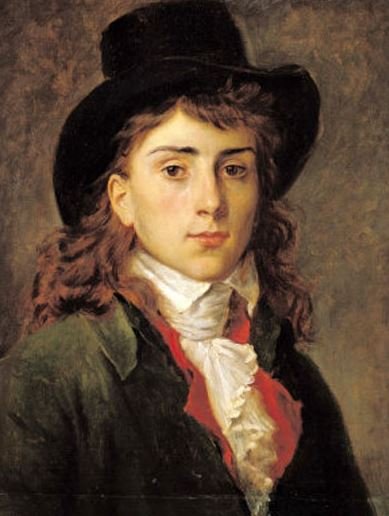
Image: Antoine-Jean Gros
Masterpiece: “Bonaparte Visiting the Plague Victims of Jaffa” (1804)
Antoine-Jean Gros was a pivotal figure in bridging Neoclassicism and Romanticism in French painting. “Bonaparte Visiting the Plague Victims of Jaffa” is a dramatic portrayal of Emperor Napoleon Bonaparte showing compassion to afflicted citizens, blending heroic narrative with emotional depth. The painting’s dynamic composition, vivid color contrasts, and emphasis on individual emotion align with Romantic principles, showcasing Gros’s role in the transition between artistic movements.
Other Notable Works:
- “Napoleon on the Battlefield of Eylau” (1808): Captures the intensity and chaos of battle, emphasizing heroism and the human cost of war.
- “The Massacre of Chios” (1824): Depicts the tragic consequences of conflict, highlighting Romanticism’s concern with suffering and the darker aspects of human experience.
Pierre-Narcisse Guérin (1761–1833)
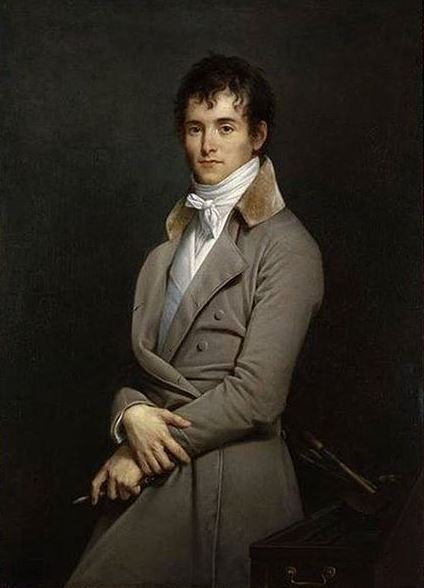
Image: Pierre-Narcisse Guérin
Masterpiece: “Hebe” (1813)
Pierre-Narcisse Guérin was a prominent painter whose work incorporated elements of both Neoclassicism and Romanticism. “Hebe,” the Greek goddess of youth, exemplifies his ability to blend classical themes with Romantic emotional expression. The painting’s graceful composition and lyrical quality reflect the Romantic fascination with mythology and the idealized human form, demonstrating Guérin’s versatility and artistic adaptability.
Other Notable Works:
- “The Judgement of Paris” (1805): Combines mythological narrative with emotional depth, emphasizing beauty and desire.
- “Venus and Cupid” (1815): Portrays the divine figures with a sense of intimacy and grace, aligning with Romantic ideals of beauty and harmony.
Jean-Léon Gérôme (1824–1904)
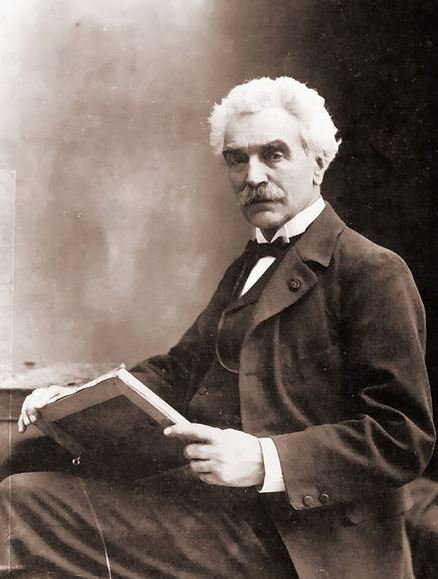
Image: Jean-Léon Gérôme
Masterpiece: “Pollice Verso” (1872)
Jean-Léon Gérôme, while often associated with Academicism, infused his works with Romantic elements through his fascination with historical and exotic subjects. “Pollice Verso,” depicting the aftermath of a gladiatorial combat in ancient Rome, combines meticulous historical detail with dramatic narrative, reflecting Romanticism’s love for grand stories and emotional intensity. Gérôme’s ability to recreate historical scenes with precision and vitality showcases the enduring influence of Romanticism in his work.
Other Notable Works:
- “The Snake Charmer” (c. 1850): Blends Orientalist themes with Romantic sensuality, highlighting his interest in exotic cultures and dramatic compositions.
- “The Duel After the Masquerade” (1857): Captures a moment of tension and emotion within a historical narrative, emphasizing the Romantic focus on individual experience and dramatic storytelling.
Paul Delaroche (1797–1856)
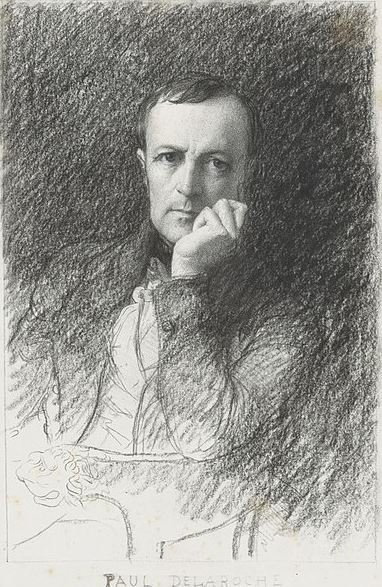
Image: Paul Delaroche
Masterpiece: “The Execution of Lady Jane Grey” (1833)
Paul Delaroche was renowned for his historical paintings that combined Romantic emotional depth with precise detail. “The Execution of Lady Jane Grey” portrays the tragic moment of the young queen’s death, capturing intense emotion and the gravity of the historical event. Delaroche’s ability to humanize historical figures and convey their emotional states aligns with Romanticism’s emphasis on individual experience and dramatic narratives.
Other Notable Works:
- “The Coronation of Napoleon” (1835): Depicts the grandeur and ceremonial aspects of Napoleon’s coronation, blending historical accuracy with Romantic visual drama.
- “The Four Horsemen of the Apocalypse” (1850): Illustrates a biblical narrative with intense emotion and dynamic composition, reflecting Romanticism’s engagement with profound and existential themes.
Louis Daguerre (1787–1851)
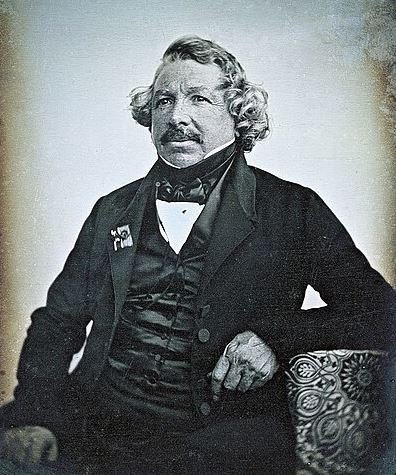
Image: Louis Daguerre
Masterpiece: “The Artist’s Studio” (c. 1839)
While primarily known as a pioneer of photography, Louis Daguerre’s contributions to visual arts extend into painting, where his works exhibit Romantic qualities through their exploration of light and composition. “The Artist’s Studio” reflects his interest in capturing the nuances of natural light and atmospheric effects, aligning with Romanticism’s fascination with the sublime and the emotional impact of visual perception.
Other Notable Works:
- “Morning Landscape” (c. 1840): Demonstrates his ability to convey mood and atmosphere through light and shadow, enhancing the emotional resonance of the scene.
- “Sunset over the Seine” (c. 1842): Captures the fleeting beauty of twilight, reflecting Romanticism’s appreciation for transient and evocative moments in nature.
Pierre Puvis de Chavannes (1824–1898)
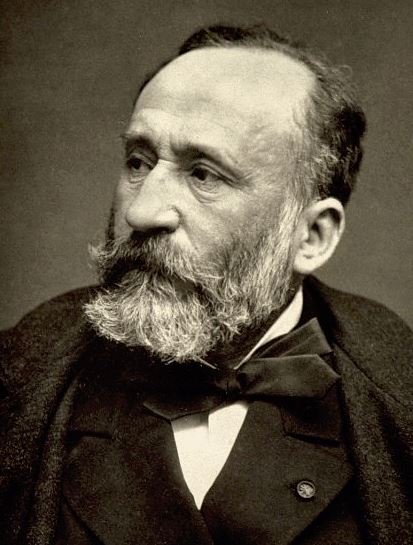
Image: Pierre Puvis de Chavannes
Masterpiece: “The City of Peace” (1868)
Pierre Puvis de Chavannes was influential in the later stages of Romanticism and the transition to Symbolism. “The City of Peace” embodies his style of serene, idealized landscapes infused with symbolic meaning. The painting’s harmonious composition, muted color palette, and contemplative mood reflect Romanticism’s emphasis on beauty, harmony, and the expression of deeper emotional or spiritual truths.
Other Notable Works:
- “The Shepherdess” (c. 1875): Combines simplicity with symbolic depth, portraying an idealized rural figure within a tranquil landscape.
- “Mediterranean Landscape” (c. 1880): Reflects his affinity for serene natural settings, emphasizing the Romantic love for the peaceful and sublime aspects of nature.
Félix Ziem (1821–1911)
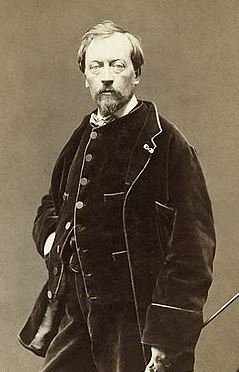
Image: Félix Ziem
Masterpiece: “Peaches and Tangerines” (1855)
Félix Ziem was a French painter known for his vibrant landscapes and still lifes, which often incorporated Romantic elements through their vivid color and emotional expression. “Peaches and Tangerines” exemplifies his ability to infuse everyday subjects with a sense of beauty and vitality, reflecting Romanticism’s appreciation for the aesthetic and the celebration of nature’s bounty.
Other Notable Works:
- “The Seine in Autumn” (c. 1858): Captures the seasonal beauty of the river with rich colors and atmospheric effects, highlighting his Romantic sensitivity to nature.
- “Sunlit Orchard” (c. 1860): Portrays a lush, vibrant scene filled with light and color, emphasizing the Romantic love for idyllic and picturesque landscapes.
Honoré Daumier (1808–1879)
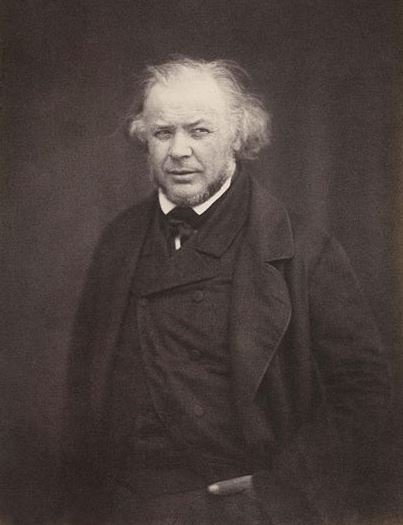
Image: Honoré Daumier
Masterpiece: “The Third-Class Carriage” (c. 1862–1864)
Honoré Daumier, primarily recognized as a caricaturist and satirical painter, infused his works with Romantic empathy and social critique. “The Third-Class Carriage” depicts the struggles of the working class with a poignant realism and emotional resonance. Daumier’s ability to capture the human condition, social injustices, and the emotional weight of everyday life reflects Romanticism’s concern with individual experience and societal issues.
Other Notable Works:
- “Gargantua” (c. 1850): Combines satire with expressive characterization, highlighting his ability to convey complex emotions and social commentary.
- “The Pissers” (c. 1834): Portrays marginalized individuals with empathy and raw emotion, aligning with Romanticism’s focus on the overlooked and the downtrodden.
Charles-François Daubigny (1817–1878)
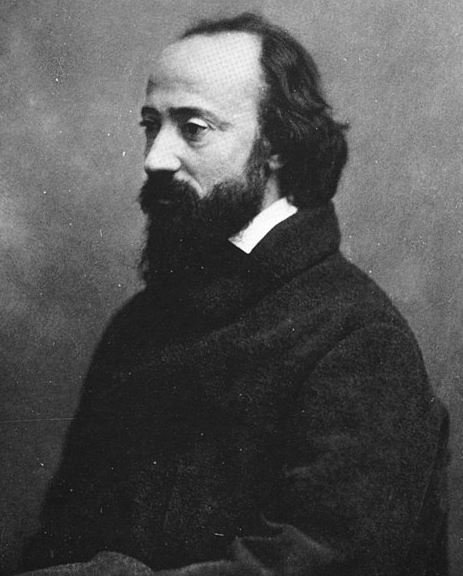
Image: Charles-François Daubigny
Masterpiece: “Landscape with a Bridge” (c. 1855)
Charles-François Daubigny was a key figure in the Barbizon School, which shared Romanticism’s appreciation for natural beauty and emotional expression in landscapes. “Landscape with a Bridge” exemplifies his ability to capture the serenity and grandeur of nature, emphasizing light, color, and atmospheric effects. Daubigny’s work often reflects a Romantic sensibility through its evocative portrayal of the natural world and the emotional responses it inspires.
Other Notable Works:
- “The Seine at Giverny” (c. 1850): Demonstrates his mastery in depicting river landscapes with a lyrical and contemplative mood.
- “Autumn Landscape” (c. 1860): Highlights his use of color and light to convey the changing seasons and the transient beauty of nature.





