Mummification in Inca Culture
The Inca mummies are a fascinating testament to the Inca civilization‘s sophisticated spiritual practices, cultural values, and understanding of death and the afterlife. Found across the Andean region of South America, particularly in modern-day Peru, these mummies reveal much about the society that produced them and the methods they used to preserve the dead.
READ MORE: Textiles and Dressmaking in the Inca Empire
The Inca Civilization: Context
The Inca civilization, which flourished from the early 13th century until the Spanish conquest in the 16th century, was the largest empire in pre-Columbian America. Centered in Cusco, the Incas built a vast network of roads, terraces, and cities that spanned diverse climates, from coastal deserts to high-altitude plateaus. Their religion, tightly interwoven with their governance and daily life, centered on worshiping the sun god, Inti, and revering ancestors. The practice of mummification fit naturally into their worldview, as it allowed them to maintain a connection with the deceased.
Cultural Significance of Mummification
The Incas believed that death was not the end but a transition to a different state of being. The dead were thought to maintain influence over the living and required sustenance, rituals, and offerings. This belief underscored the importance of preserving the physical body through mummification. Inca mummies were more than remnants of the past; they were active participants in the cultural and religious life of the community.
Royal mummies, in particular, were treated as eternal rulers. Even in death, they retained political and ceremonial significance. These mummies were often consulted for decisions and were paraded during festivals to symbolize continuity and divine favor.
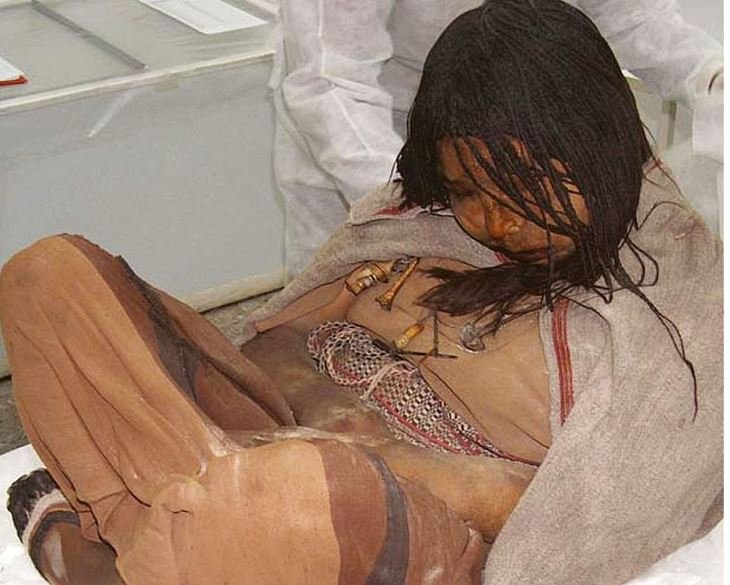
La Doncella, an Inca child mummy, on display.
The Process of Inca Mummification
The exact techniques used by the Incas to mummify their dead remain a topic of research, but evidence suggests a combination of natural and artificial methods. The high-altitude environment of the Andes, with its cold, dry air, often played a significant role in the preservation process. Bodies were typically placed in fetal positions, mirroring the way the Incas believed life began.
Key Steps in Mummification:
- Drying the Body: Bodies were often dried using natural means, such as exposure to cold temperatures or desiccating winds.
- Removal of Organs: There is evidence that some internal organs were removed, though not universally.
- Wrapping: Mummies were often tightly wrapped in textiles, an important element of Inca culture. These textiles were richly adorned and signified the deceased’s social status.
- Placement: Bodies were interred in tombs, caves, or special burial towers called chullpas, often accompanied by offerings such as pottery, food, tools, and valuables.
READ MORE: Food & Agricultural Practices in the Inca Empire
The Role of Mummies in Inca Society
The mummies of Inca rulers held immense political and religious power. They were housed in elaborate mausoleums and continued to “participate” in governance. Priests and caretakers interpreted the will of these mummies through rituals. During major festivals, the mummies were brought out, dressed in fine attire, and paraded through the streets.
Non-royal mummies were also important, especially at the community level. Families maintained ancestral mummies and made offerings to ensure their blessings and protection. These mummies were often placed in family tombs or sacred sites and were consulted for guidance during critical decisions.
Inca mummies are a remarkable cultural and historical phenomenon, embodying the ingenuity and spiritual depth of the Inca civilization.
The Incas also practiced ritual sacrifice, known as capacocha. Children, selected for their purity and often from noble families, were sacrificed to appease the gods during times of crisis or significant events, such as the coronation of a ruler. These mummies, typically found in high-altitude sites, are among the best-preserved due to the cold conditions.
Archaeological Discoveries
Numerous Inca mummies have been unearthed, providing a wealth of information about Inca life, health, and practices.
The Ice Mummies
One of the most famous discoveries is the “Ice Maiden,” or Juanita, found on Mount Ampato in 1995. This teenage girl, sacrificed as part of a capacocha ritual, was astonishingly well-preserved. Her skin, hair, and clothing remained intact, providing insight into Inca textile production, diet, and ceremonial practices.
Chullpa Mummies
Burial towers called chullpas, found across the Andean highlands, have yielded numerous mummies. These tombs often contained multiple bodies, suggesting family or community interments. The goods found alongside these mummies illustrate trade networks, social hierarchies, and daily life.
High-Altitude Burials
High-altitude mummies, like those found on Mount Llullaillaco, are particularly remarkable for their preservation. These sites were considered sacred, and the mummies often show no signs of decay, allowing scientists to analyze their DNA, diets, and health conditions.
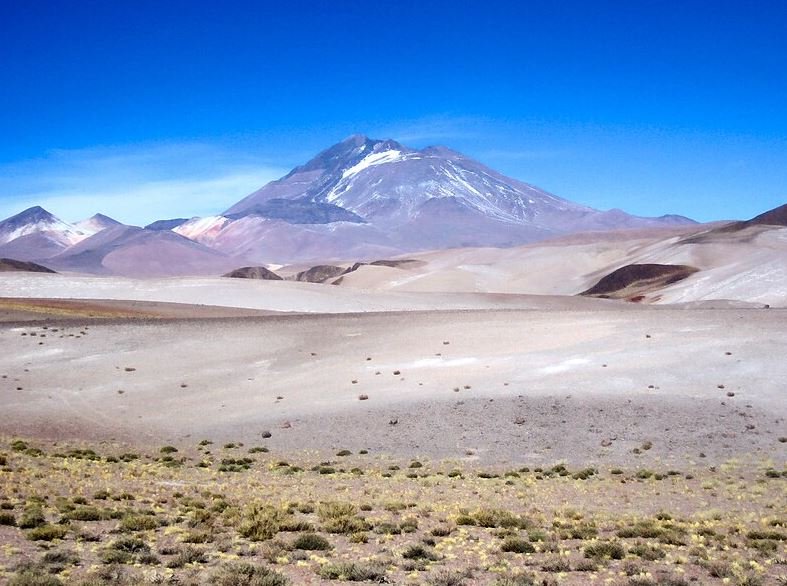
A view of mount Llullaillaco.
The Impact of Spanish Conquest
The arrival of the Spanish in the 16th century dramatically altered the fate of Inca mummies. The Spanish, viewing mummification as a pagan practice, destroyed many mummies and suppressed ancestor worship. The destruction of royal mummies symbolized the end of Inca political and religious systems.
However, some mummies were hidden by indigenous communities, preserving them for generations. These hidden mummies serve as crucial links to the Inca past, providing insights into a culture that the Spanish sought to erase.
READ MORE: Who were the Conquistadors? – History, Infamous Figures, Brutalities, & Major Facts
Scientific Insights
Modern technology has greatly enhanced our understanding of Inca mummies. Techniques like CT scans, radiocarbon dating, and DNA analysis have revealed details about their health, diet, and lineage. For instance, analysis of hair samples from sacrificed children has shown evidence of coca and alcohol consumption, substances likely used in ritual preparations.
Cultural Heritage and Ethical Considerations
The study of Inca mummies raises important ethical questions. While they are invaluable to science, they are also sacred to indigenous communities. Balancing scientific inquiry with respect for cultural traditions is an ongoing challenge. Efforts are being made to involve indigenous groups in research and to repatriate mummies to their original communities.
Legacy of Inca Mummies
The Inca mummies are not just relics of the past; they are a bridge to understanding a complex and vibrant civilization. They demonstrate the Incas’ deep connection to their ancestors, their environment, and their spiritual beliefs. Modern studies continue to uncover new layers of knowledge, ensuring that the legacy of the Incas lives on.
Frequently asked questions

La Doncella, a view from another angle.
What was the purpose of mummification in Inca culture?
Mummification in Inca culture was a way to honor and preserve the dead, reflecting reverence for ancestors and kinship bonds. Mummies served as intermediaries between the living and the divine and were often consulted during significant events.
How were Inca mummies preserved?
Inca mummies were preserved using natural methods like desiccation or freeze-drying, aided by the Andean climate. Alcohol, such as chicha (maize beer), was also sometimes used. Earlier cultures employed salt and de-fleshing techniques.
What items were typically buried with Inca mummies?
Mummies were buried with personal possessions such as jewelry, fine pottery, textiles, and tools. High-status individuals were wrapped in exquisite textiles and adorned with jewelry.
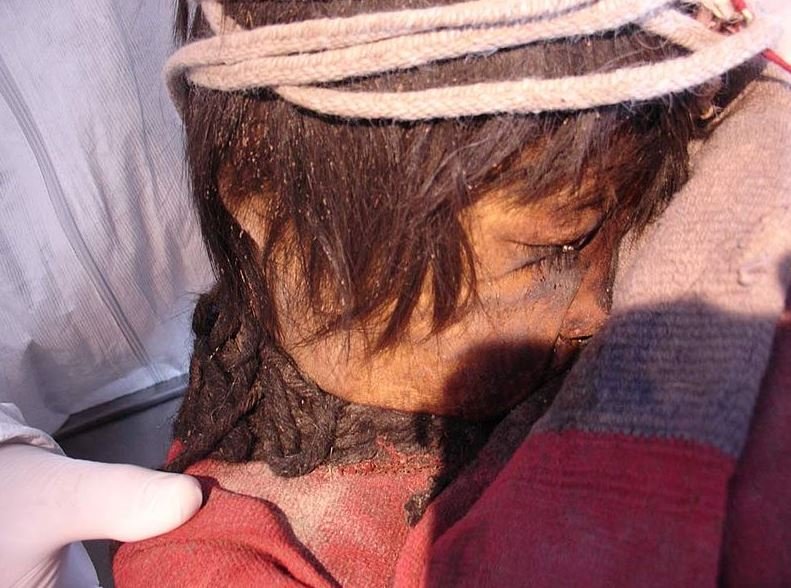
El Niño, another Inca child mummy discovered .
What role did mummies play in ceremonies?
Mummies were periodically removed from their tombs to participate in ceremonies. They were dressed in finery, offered food and drink, and honored as though still alive. They were involved in events like marriages, harvests, and long journeys.
What were capacocha mummies, and what was their purpose?
Capacocha mummies were sacrificial victims, often children, who were mummified and placed in sacred mountain shrines (huaca). These mummies symbolized Inca dominance over conquered provinces.
What is significant about the site at Cajatambo?
Cajatambo in central Peru housed 1,825 mummies in sacred caves (machay). These mummies were dressed in ceremonial attire and periodically offered food and drink to ensure agricultural success.
What were mallquis, and how were they treated?
Mallquis were royal mummies preserved in Cuzco’s Coricancha religious complex. They were surrounded by treasures and weapons, underwent advanced preservation techniques, and were brought out for ceremonies, dressed in fine clothing, and honored with offerings.
How were royal mummies displayed during ceremonies?
During ceremonies, royal mummies were displayed in the main plaza (Awkaypata), arranged by age. They were adorned with fine clothing, gold, and feathers, attended by interpreters, and honored with food, drink, and recitations of their achievements.
What happened to Inca mummies during the Spanish conquest?
The Spanish viewed ancestor worship as idolatry and sought to destroy mummies. Many were relocated around Cuzco to avoid capture, but by 1559 CE, the Spanish destroyed most royal mummies.





